✕
What issue are you experiencing?
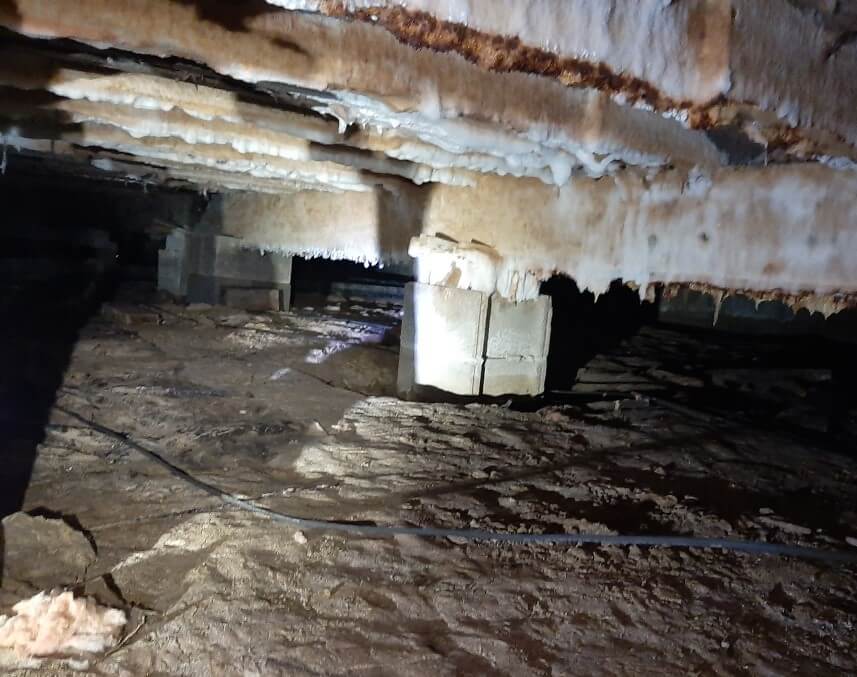
Cracks, water intrusion, crawl space moisture, settlement, etc.
Cracks, water intrusion, crawl space moisture, settlement, etc.
Many homes in the Midwest have a basement under their home, as part of their foundation. These are where your HVAC unit, pipes, and other utilities live. In many cases, your laundry room may be in this area as well. But for many homeowners, that’s all they’re used for. You may store holiday decorations or other seasonal items- but a basement is often underutilized space.
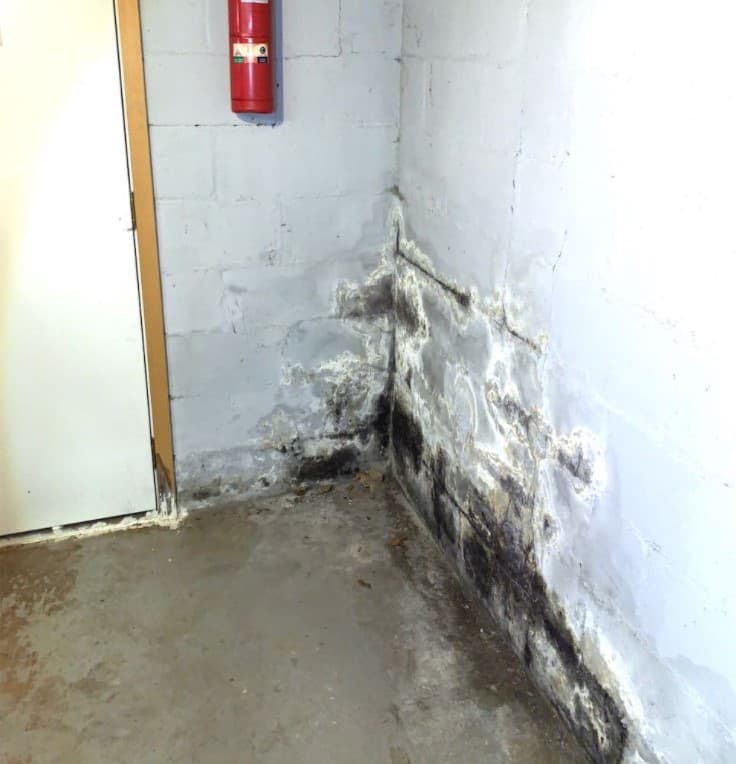
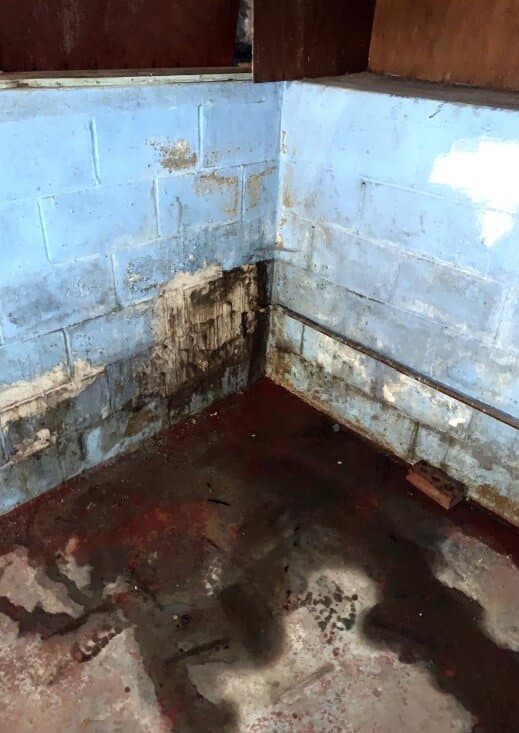
Why is that? Well, it’s because basements are often dark, damp and have a moist smell to them. These aren’t cozy conditions that encourage you to loiter around! But this can be remedied with water drainage, dehumidifiers, and other elements of waterproofing.
Founded in 1996, Acculevel efficiently waterproofs basements and repairs foundations throughout our service are (Indiana and the surrounding states). We’ve helped tens of thousands of homeowners reclaim their basements for full use and improve their resale value at the same time.
When you’re planning to waterproof your basement, there are a number of factors to consider. In this article, we’ll discuss what can affect your options, clear up some common misconceptions, and determine the best method to meet your goals.
Acculevel has been waterproofing basements for decades, and there are three mistakes we see on a regular basis.
Waterproofing can be a misleading term; it’s not the process that gives you a 100% dry basement. (That’s encapsulation, which we review in the next section.) Waterproofing is the management of water that gets into your basement.
Waterproofing has two major components: perimeter water drainage and a sump pump. There are a variety of water drainage tracks that can be used, but they all are installed under your basement floor around the perimeter. The floor is broken up, the track is laid, and new concrete is poured on top to repair the floor. The track drains in the sump pump pit, where the water collects until it triggers the sump pump, which expels the water out or your home through a discharge line.
Unlike most buying decisions, choosing the best drainage track is not about what features the track has or the best price. All drainage tracks do the same thing: collecting and draining water. But the features of the individual types are different and your basement floor’s condition is usually the deciding factor.
At Acculevel, the most common choice for basement waterproofing near you is our water tunnel system. But this system is installed on top of your foundation’s footer and requires a basement floor at least 3 inches thick.
If your floor is thinner than 3 inches, or the footer is damaged, water tunnel will not work. For those basements, we use fast track drainage. It’s more expensive than water tunnel, but it has added features that allow it to work under less than ideal settings. In many cases, there’s no way to know the thickness of your floor (or the condition of your footer) until the floor is being broken up for waterproofing installation. We go into greater detail about these different methods in this article.
 This photo was taken by an Acculevel team member during water drainage installation. You can clearly see the difference between the original concrete of the floor and the newly poured (still wet!) concrete placed over the drainage track.
If your plans -for now, at least- are merely to clean up your basement and prevent future flooding, waterproofing is all you need to do. If you continue to smell a musty or damp odor, or see mold forming, you may also need to invest in a dehumidifier to keep the space healthy for you and your family.
But if you’d like to do more with your basement, and convert it to livable space, you’ll want encapsulation, also. Encapsulation involves a thick liner that has been treated with antimicrobial coating; this liner is attached to the walls and floor so that any water seeping through the foundation will be kept away from the building materials you use to finish your basement. You don’t want to invest in waterproofing, only to have moisture from the wall create decay in the insulation, wooden framing, or carpet that you use to improve your basement’s functionality.
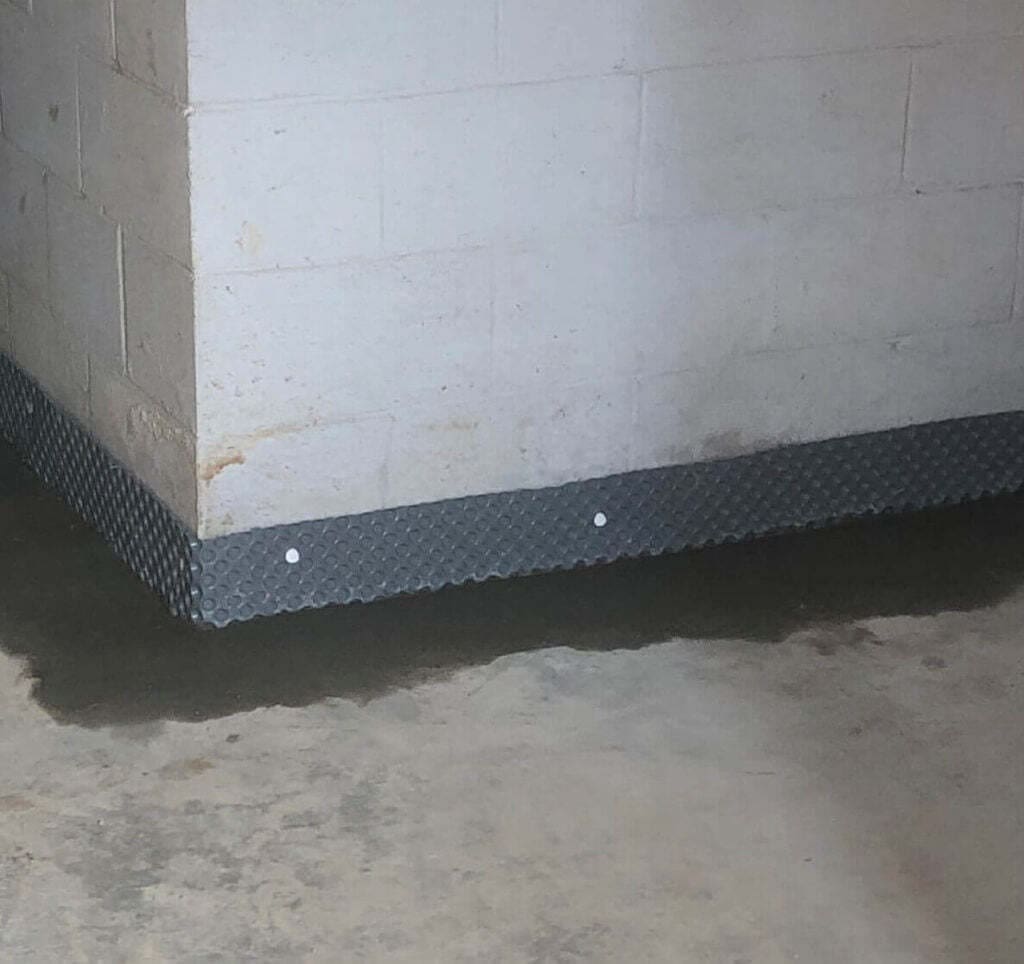
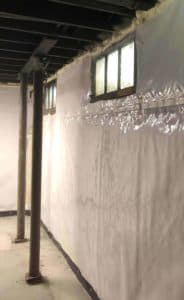 This photo was also taken by an Acculevel team member, this time after encapsulation was installed.
If you’re ready to waterproof your basement, then it’s time to find an experienced local waterproofing company, and make an appointment. Before you sign a contract for any service, you should always verify the company is reputable, insured, and accredited by the Better Business Bureau.
If you live in Indiana or the surrounding states, contact Acculevel. We provide free estimates to all of our customers. One of our experienced project managers will evaluate your home and recommend the best course of action for you.
However, if you have more questions about the process, the pricing, or how water forces its way into your home… Let us recommend our Basement Waterproofing Guide. You can read it from end to end, select the chapter relevant to you, or bookmark it as a reference when you meet with contractors.