✕
What issue are you experiencing?
Cracks, water intrusion, crawl space moisture, settlement, etc.
Cracks, water intrusion, crawl space moisture, settlement, etc.
When structural issues form below your floor in your crawl space, they could travel upward or outward. Ignoring early signs allows those problems to deepen over time. Acculevel provides crawl space repair in homes across the Midwest and has seen how unchecked damage in this area sometimes affects broader systems. Here are some issues that may result from not repairing your crawl space in time:
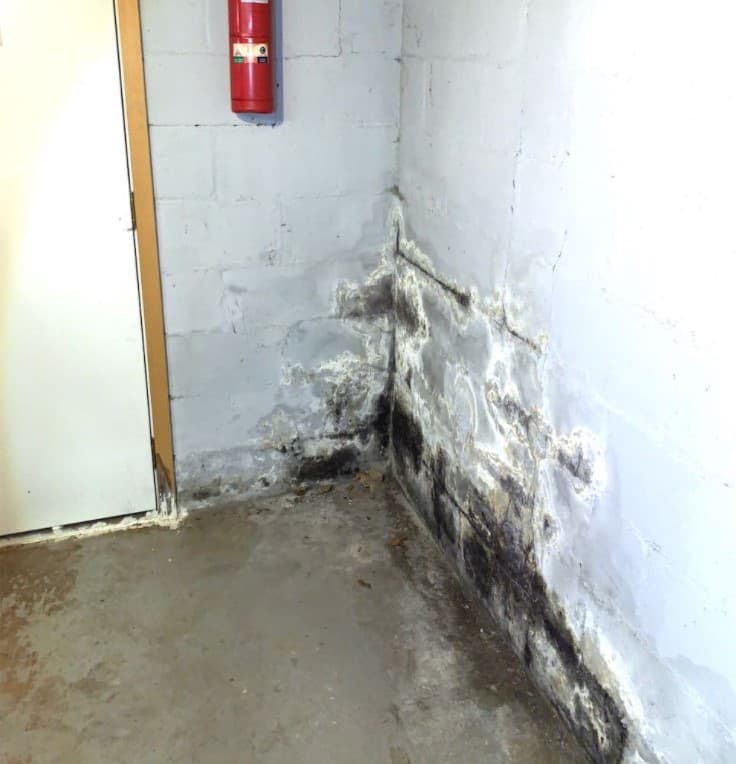
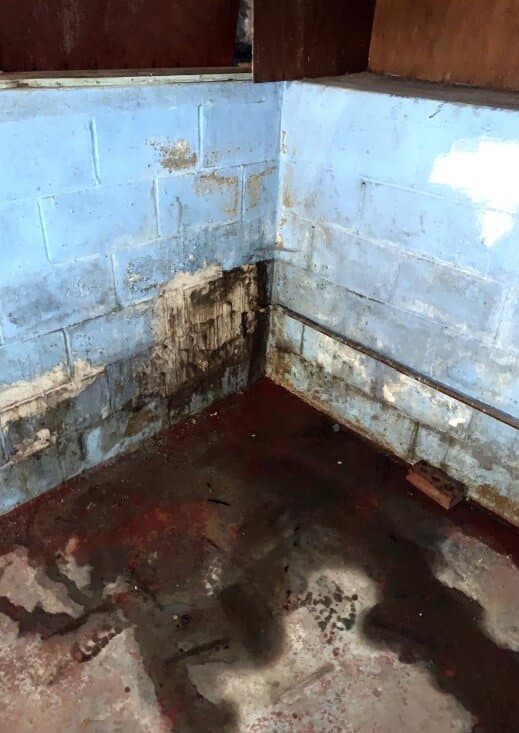
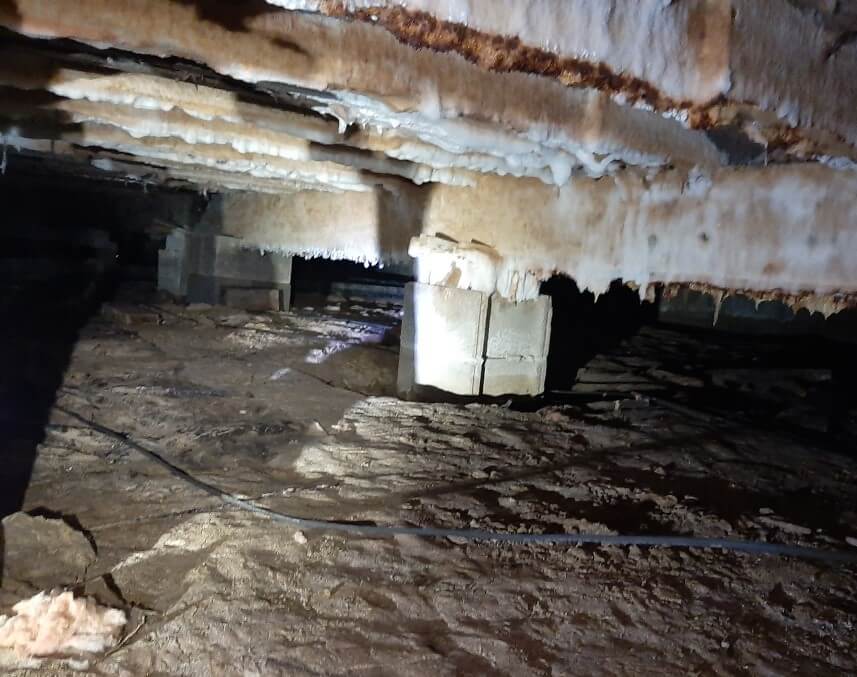
Moisture tends to collect in crawl spaces where drainage is poor or insulation has broken down. This lingering dampness can lead to biological growth on beams, vapor barriers, and insulation, especially if air circulation is limited. Once airborne particles begin to spread, they are able to reach upper floors through ductwork or floor gaps. Indoor air quality can shift noticeably when biological growth reaches a certain threshold.
Long-term exposure to occasional moisture has broad consequences. Sealing entry points, installing vapor barriers, and improving airflow help to prevent recurrence. Before completing a crawl space repair, we will perform a full inspection of both interior and exterior moisture sources.
Crawl spaces provide easy access for insects, rodents, and other animals looking for shelter. Small entry points near vents, pipe cutouts, or wall joints are often overlooked. Once inside, pests sometimes disrupt insulation or burrow into wood. These disturbances might not be visible from above, which makes them easy to miss until signs of damage appear in unexpected places. Eliminating the pests assists in restoring the area. Repairs typically include sealing access points and replacing any degraded insulation or structural materials. Delaying this process may give pests time to return or worsen the damage already done.
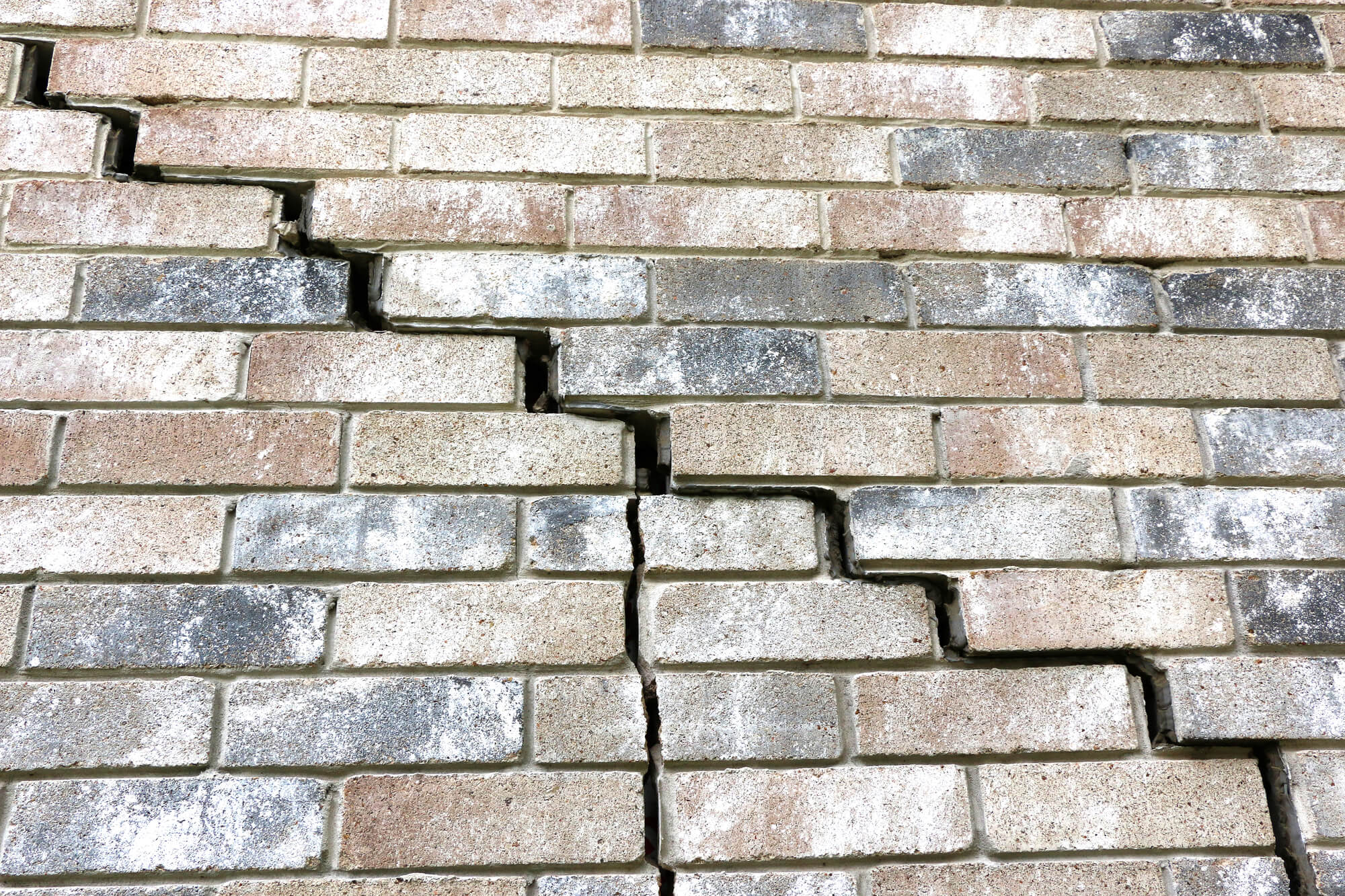
The ground surrounding a crawl space isn’t static. It changes with seasons, root growth, and underground water flow. These shifts can affect how the foundation sits over time, especially if drainage systems are missing or clogged. Once soil begins to erode or compact in uneven patterns, load-bearing elements lose their grip on level footing.
In some cases, crawl space repair involves both inside and outside work. Drainage tiles, exterior grading, and pier adjustments may be required in tandem to keep the home steady. Acculevel regularly evaluates each of these variables before choosing the most effective route.
Interior fixes, like vapor barriers and dehumidifiers, follow once the structural and drainage systems are stable. This layered approach prevents the cycle from restarting after surface-level repairs are completed. Without addressing the surrounding conditions, internal solutions may fail to remain sturdy. Both soil and structure need to be accounted for to maintain long-term stability.
Insulation below the floor is designed to maintain consistent indoor temperatures. When it becomes soaked or damaged by pests, its performance drops quickly. Drafts appear, and temperature regulation across the home becomes difficult. Heating and cooling systems often run longer to make up the difference, which strains the equipment over time. These signs aren’t always linked back to the crawl space immediately, which can delay correction. Restoration often requires replacing the insulation and addressing any issues that caused its breakdown in the first place, whether that be from airflow, moisture, or pests.
Structural shifts, insulation issues, biological growth, and pest damage spread when unaddressed. As conditions worsen, the impact reaches more parts of the home. Acculevel offers crawl space repair services designed to target the root cause. Schedule an inspection with our team to protect your home’s foundation.