Originally published 1/28/2019, revised 9/6/23
If you’ve ever researched home repairs of any kind, you know that water is one of the primary causes of damage. You might think you don’t have to worry about water in the winter, but that’s not the case. Whether it’s in liquid or solid form, water is a year-round cause of concern.
Founded In 1996, Acculevel is a family-owned and operated company that specializes in waterproofing and foundation repairs. We’ve repaired 20,000+ homes throughout our service area, but we consider educating homeowners as important as restoring their home to health and stability.
We want you to understand how the freeze and thaw cycle can damage your foundation, and what you can do to prevent it. We’ll begin by defining a few terms that are specific to our industry, explain how they develop into problems, then review steps you can take to reduce your risks.
It starts with ice developing in the soil above the frost line. The frost line is the average point where the soil usually freezes in the winter. If this ice forms as a solid piece (not mixed in with the soil), it is sometimes called an ice lens.
Water below the frost line is drawn upwards as it evaporates. If there is an ice lens developing in the ground, this water vapor will merge with the ice. As it grows, the ice lens swells, pushing against your foundation. This pushing force is a frost heave: pressure from the ice lens ‘heaves up’ the ground around your home. Foundations are not made of flexible materials- when they are shoved out of position, things that do not bend can break.
The word adfreezing is a mixture of adhesive and freezing. Unlike an ice lens, where the ice forms separately from the soil, adfreezing occurs when the water within the soil freezes. If it happens in the soil next to your foundation, that frozen soil can adhere to your foundation.
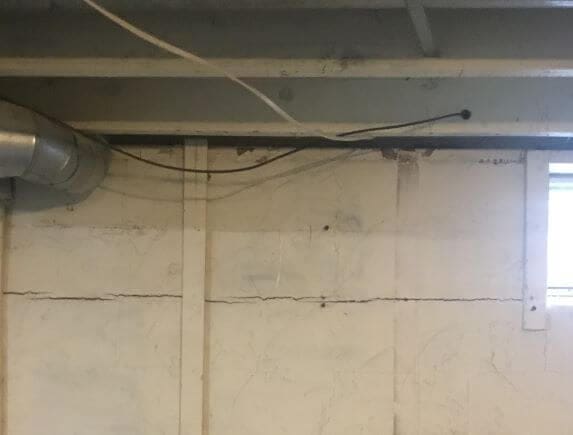
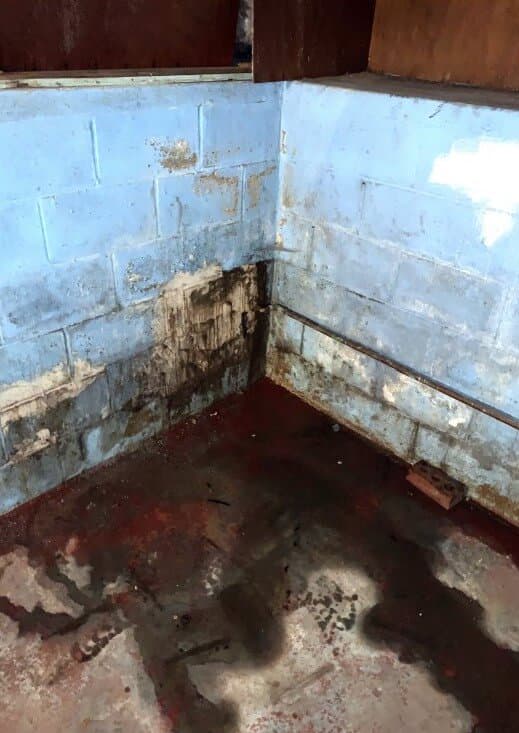
This is a problem because once the ground is stuck to your foundation, any moisture that melts will seep into your foundation. If it freezes again, it will expand within the concrete, creating cracks and fissures in your foundation.
Ice dams form on your roof, usually when the attic is not well insulated. Snow and ice melt, then refreeze as the water reaches the cold guttering. The water drains initially through the gutter, but as it gets colder, portions of the moisture refreeze. Over time, ice builds up and fills the guttering with ice. This ice becomes a dam that traps moisture on the roof until it seeps through or between the shingles and into your attic.
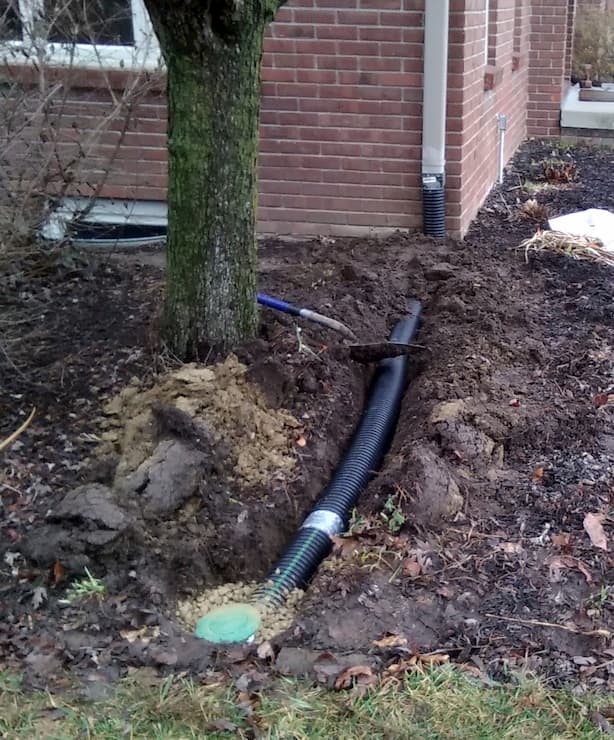
So how is an ice dam a foundation problem? Well, it’s not as long as it’s frozen. But when it melts, that’s a lot of water releasing quickly. If your home isn’t properly graded, that water can pool around the foundation and create problems.
Some things are not within your control. You can’t determine how severe a winter will be, how much precipitation occurs, or how often the temperatures will fluctuate above and below 32°. But if your home meets the following criteria, you will know if you have a greater chance of problems related to winter freezing and thawing:
We have developed a DIY Foundation Checklist that is available, free of charge, to any homeowner. It’s based on our own Home Inspection Program (which costs $500 for 5 years). Please feel free to bookmark this checklist and use it; we recommend that it be done twice per year. A few highlights:
If you’re not sure, but you’d like to do some more research, please use our interactive tool and check your symptoms. Each symptom gives a brief explanation, along with additional resources to read or watch in our Learning Center.
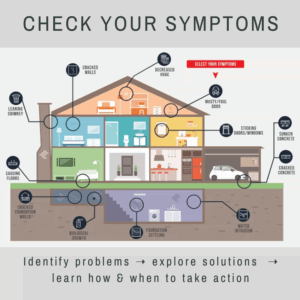
You’ll want to find an experienced foundation company, and make an appointment. Before you sign a contract for any service, we urge you to always verify the company is reputable, insured, and accredited by the Better Business Bureau.
If you live in Indiana or the surrounding states, contact Acculevel for a free written estimate,. One of our experienced project advisors will listen to your concerns, examine your foundation, then recommend the best course of action for you, to keep your home strong and healthy for years to come.
[DISPLAY_ULTIMATE_SOCIAL_ICONS]