We Treat Your Home Like Our Own


Unlike homes with basements or crawl spaces, a slab floor is solid concrete with no structural wood flooring system. For homes with this type of floor, soft soil or bad compaction is almost always the culprit. Once the soil is compromised, the slab will shift, and this creates the sagging or sinking effect. Pressure from that shift will sometimes crack the slab itself, causing high and low places in the flooring. To fix this type of damage, you need concrete slab repairs.
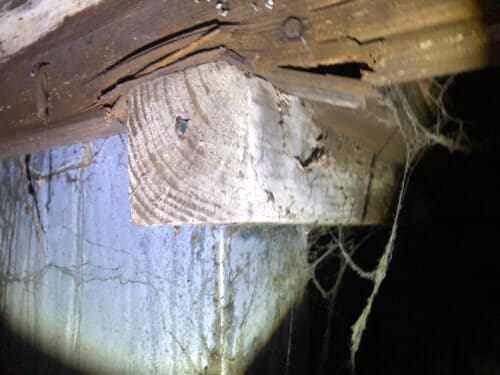
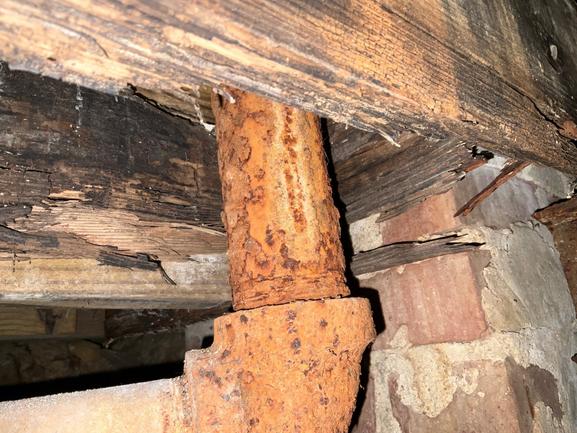
Water is a major factor in floor sagging, particularly in Suffolk where low lying land and fluctuating groundwater levels are common. Heavy rainfall, poor drainage, and proximity to rivers and wetlands can allow moisture to build up beneath the home. This moisture can reach the sill plate, wood beams, and floor joists that rest on the foundation and support the floor system. When wood remains damp for extended periods, it begins to deteriorate, reducing its ability to carry weight and leading to the need for sagging floor repair in Suffolk, Virginia.

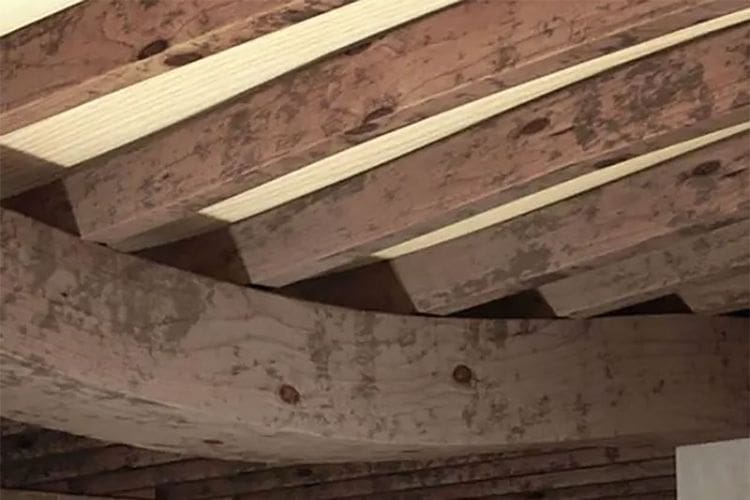
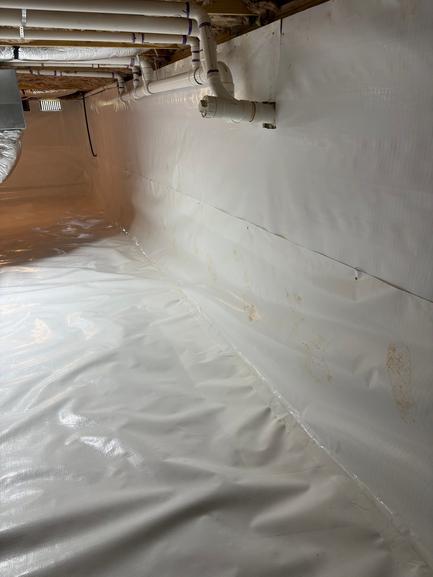
Even when standing water is not present, Suffolk’s warm summers and high humidity levels can still cause damage below the home. Moist air becomes trapped in crawl spaces, allowing wooden beams and joists to absorb moisture over time. As the wood softens, it loses strength and compresses under the weight of the home. This gradual compression often results in floors that feel uneven, sloped, or spongy in high traffic areas.
Wood damaging insects are another concern for Suffolk homeowners, especially in areas surrounded by trees, farmland, or wooded lots. Termites are common throughout the region, and powderpost beetles are also frequently found in older homes. These insects lay eggs inside wooden framing, and once the larvae hatch, they feed on the wood itself. This hidden damage can continue for years, weakening the floor system long before sagging becomes visible.
Human error can also contribute to sagging floors, particularly in Suffolk homes that have been modified or expanded over time. Additions, utility upgrades, or DIY repairs may involve cutting or altering floor joists to make room for plumbing, electrical lines, or ductwork. When these changes are not properly reinforced, they create weak points that can crack, split, or sag as the home settles.

Building standards have evolved, and many older Suffolk homes were built before modern design requirements were in place. In these homes, support beams may be undersized or support posts spaced too far apart, especially in crawl spaces that were never properly engineered. This puts additional strain on the floor system and increases the likelihood of sagging as the structure ages.
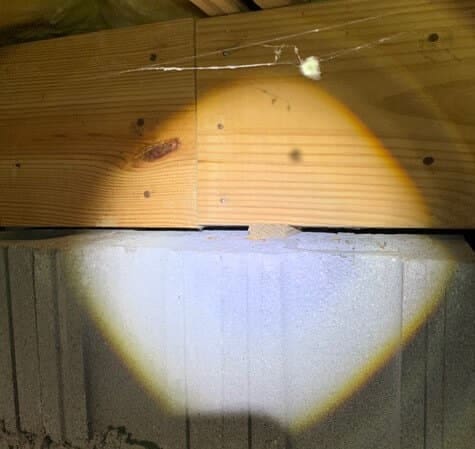
Homes more than 50 years old may also contain materials that were never intended to last indefinitely. Builders often used wood shims to level framing during construction. Over time, these shims compress or deteriorate. At Acculevel, we replace failing shims with steel shims to prevent compression and improve overall load distribution.
Technology and modern living can also play a role in floor sagging. Before pressure treated lumber became standard, untreated wood was widely used and is far more vulnerable to moisture and insect damage. Many Suffolk homeowners have also upgraded interiors with heavier finishes like tile floors, stone countertops, or recreational items such as pool tables. These additions place extra stress on an already weakened structure, accelerating the need for sagging floor repair in Suffolk, Virginia.
Contact Acculevel! We provide free estimates on sagging floor repairs.