We Treat Your Home Like Our Own



Unlike homes with basements or crawl spaces, a slab floor is solid concrete with no structural wood flooring system beneath it. For homes with this type of foundation, soft soil or poor compaction is almost always the culprit. Once the soil becomes compromised, the slab can shift and settle, creating a sagging or sinking effect. This movement can also cause the slab to crack, resulting in uneven high and low spots across the floor. Concrete slab repairs are typically required to correct this type of damage.
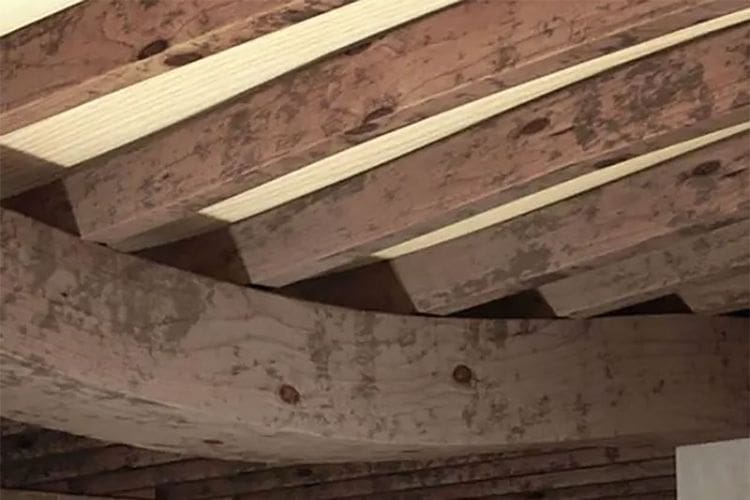
What causes a floor to sag if you have a basement or crawl space? For basements and crawl spaces, the list of possible causes is much larger. These floor systems rely heavily on wood support structures, which makes them more vulnerable to damage.
Water is one of the most common contributors to sagging floors, as moisture naturally moves through the soil surrounding your foundation. In Harrisonburg, valley rainfall, clay heavy soils, and surface runoff can allow moisture to collect beneath the home and reach the sill plate, wood beams, and floor joists. These wooden components sit directly on the foundation and form the framework that supports your floor. When moisture remains in contact with the framing, deterioration begins, leading to reduced strength and the need for sagging floor repair in Harrisonburg, Virginia.
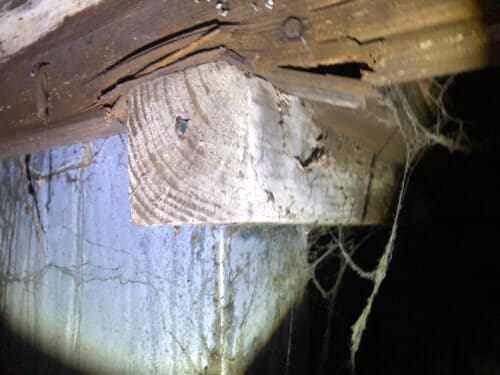
Standing water is not required for structural damage to occur. Elevated humidity levels, common throughout the Shenandoah Valley, can gradually affect the beams and joists beneath your home. Wood readily absorbs moisture from humid air, which softens the material over time. As the framing weakens, it compresses under the weight of the home, allowing floors to settle and feel uneven.
Wood damaging insects are another frequent cause of sagging floors in this region. Termites are well known throughout Harrisonburg, and powderpost beetles are also present and often difficult to detect. These insects lay eggs inside wooden framing, and once the larvae hatch, they feed on the wood from within. Over time, this hidden damage can significantly weaken the structural floor system.
Human error can also contribute to sagging floors, particularly in Harrisonburg homes that have been updated over the years. Plumbing, electrical, or HVAC upgrades sometimes require changes to framing. When joists or even the main support beam are cut or notched to make room for new systems, weak points are introduced that can eventually crack, split, or sag.
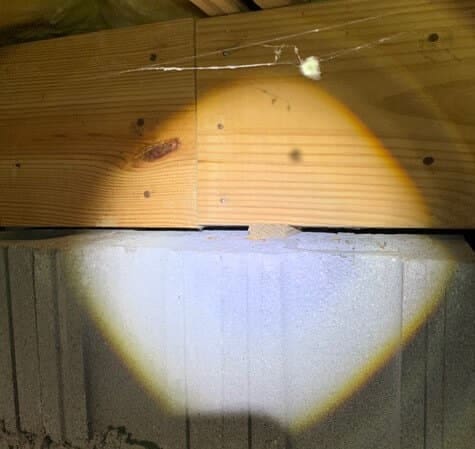
Building standards have changed significantly, and many Harrisonburg homes were built before modern codes were in place. In older homes, support beams may be undersized or support posts spaced too far apart. This places added stress on the beam and increases the likelihood of sagging as the structure ages.
Homes more than 50 years old may also contain materials that were never intended to last this long. Builders often relied on wood shims to level framing during construction. As these shims age, they compress or decay. At Acculevel, we replace failing wood shims with steel shims to prevent compression and improve load distribution.
Technology and lifestyle changes can also affect floor performance. Before pressure treated lumber became widely available, untreated wood was commonly used and is far more vulnerable to moisture and insect damage. Modern renovations that add heavy materials such as tile flooring, stone countertops, pool tables, or hot tubs increase the load on the structure. These additions place extra stress on already weakened framing, accelerating the need for sagging floor repair in Harrisonburg, Virginia.
Contact Acculevel! We provide free estimates on sagging floor repairs.
There are no job check-ins to display