✕
What issue are you experiencing?
Cracks, water intrusion, crawl space moisture, settlement, etc.
Cracks, water intrusion, crawl space moisture, settlement, etc.
We Treat Your Home Like Our Own
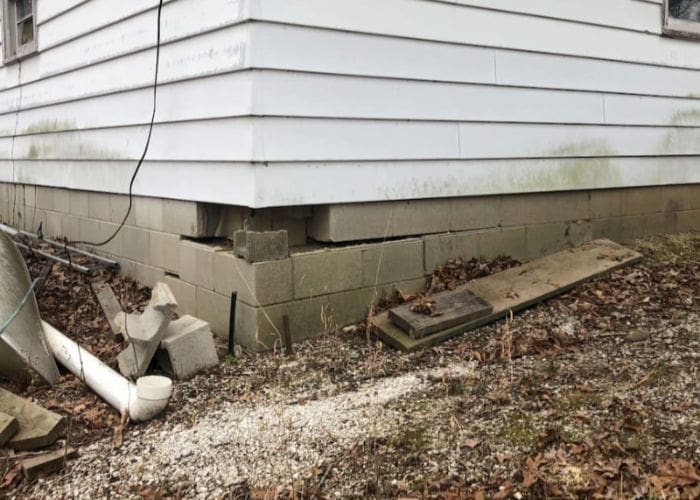



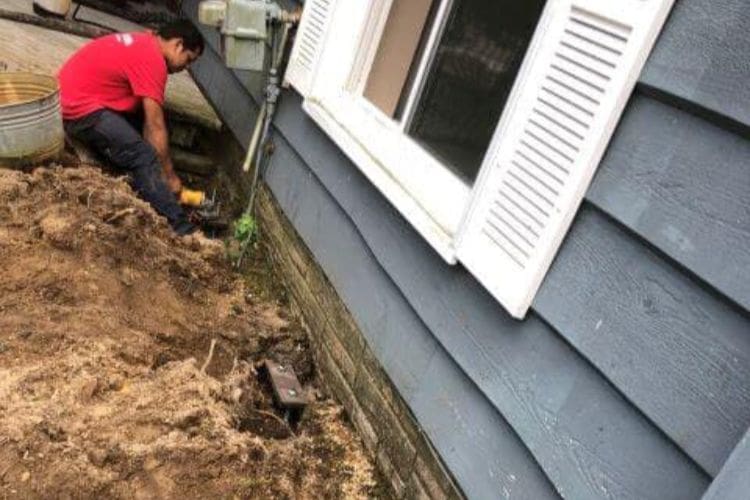
Foundation and basement walls are designed to support the weight of your home, but they are not built to withstand constant lateral pressure from saturated soil and groundwater. In Norfolk, frequent rain events, tidal influence, and poor soil drainage can keep ground conditions around foundations consistently wet.
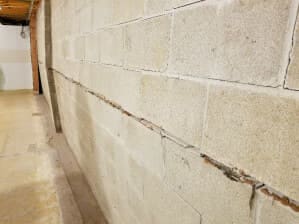
Over time, this excess moisture increases hydrostatic pressure, leading to cracking, bowing walls, or uneven floors if left untreated. Because foundation walls are essential to your home’s safety and stability, early professional evaluation is critical. Partnering with a professional foundation repair company in Norfolk helps ensure these issues are corrected at the source and provides lasting protection for your home.
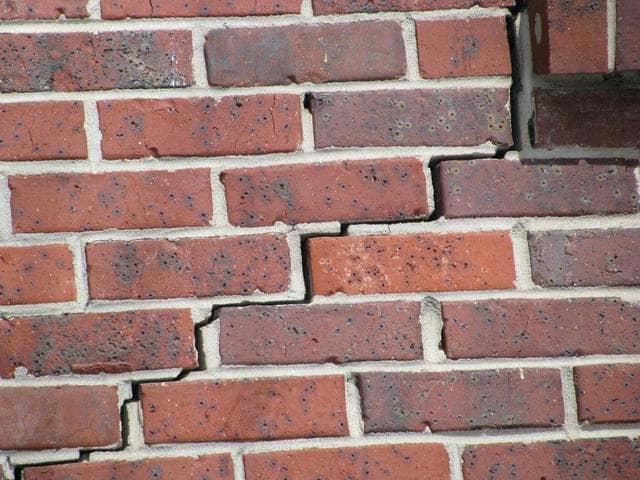
Are there cracks forming in your drywall, or are doors and windows beginning to stick throughout your home? These are common indicators of uneven settling, often caused by soil erosion and poor soil compaction. In Norfolk, homes in neighborhoods like Ghent, Larchmont, and areas near the Elizabeth River often experience foundation movement due to tidal groundwater fluctuations, sandy coastal soils, and prolonged exposure to moisture. Our team can identify the cause and recommend the right solution for foundation repair in Norfolk, Virginia.
When a foundation becomes unlevel, the structure of the home is pulled in opposing directions. Structural components such as wooden beams and concrete walls are rigid by design, so instead of flexing, they begin to twist, bow, or warp as uneven settlement places stress on the home.
As these framing components shift, door and window frames move with them. Once frames lose alignment, doors and windows may stick or become difficult to operate, and drywall cracks can appear along walls, ceilings, and interior corners throughout the home.
To correct uneven settling, the foundation that is moving too quickly must be stabilized and properly supported to prevent ongoing movement and additional structural damage.
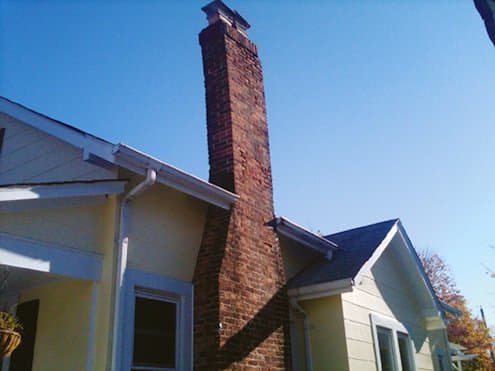
Erosion and settling are the most common causes of a leaning chimney. In Norfolk, coastal storms, heavy rainfall, and fluctuating tidal conditions can slowly erode the soil supporting chimneys, particularly in older neighborhoods and low-lying areas.
Helical piers are often the best repair option for stabilizing and permanently supporting a leaning chimney.
There are no job check-ins to display