✕
What issue are you experiencing?
Cracks, water intrusion, crawl space moisture, settlement, etc.
Cracks, water intrusion, crawl space moisture, settlement, etc.
We Treat Your Home Like Our Own
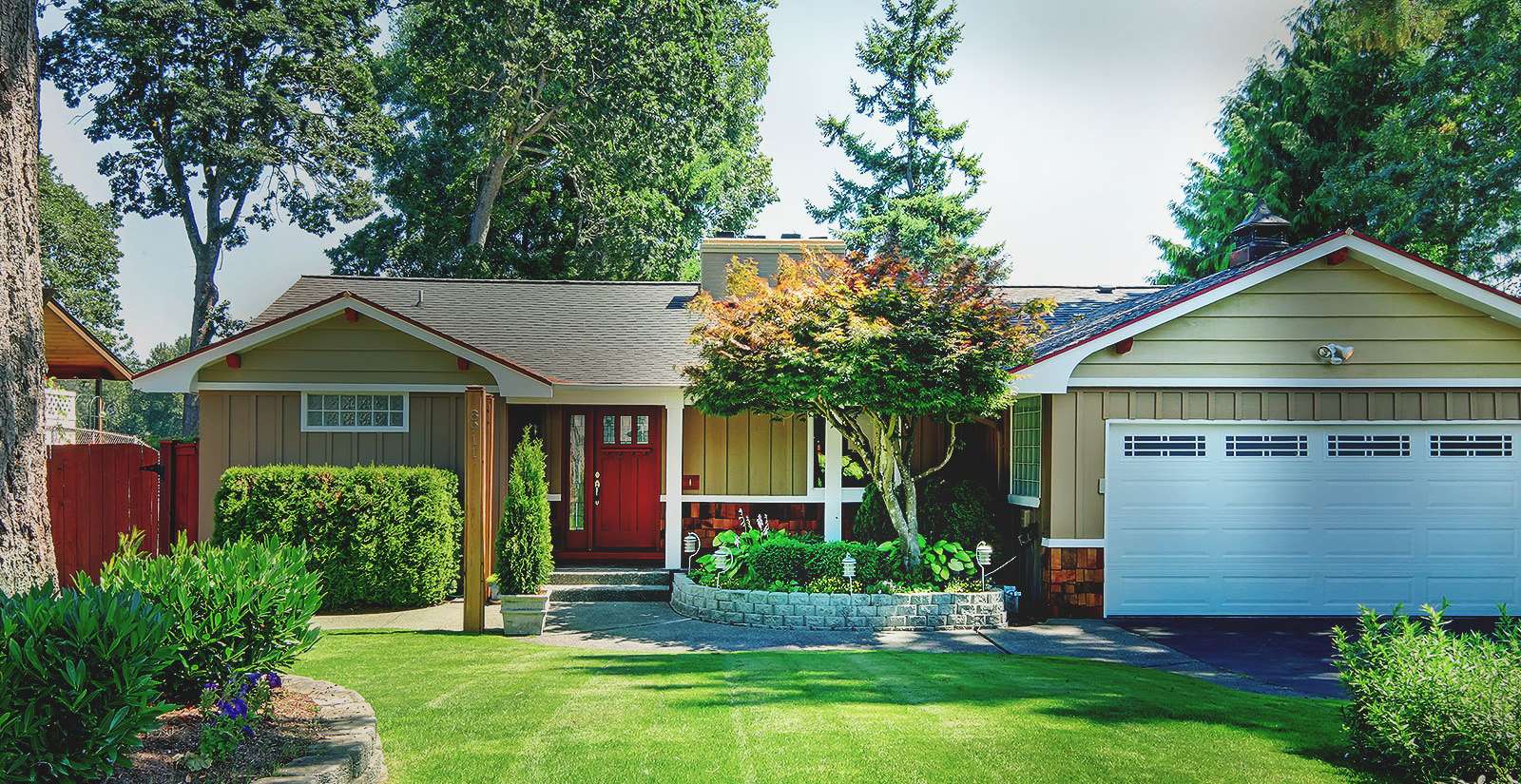



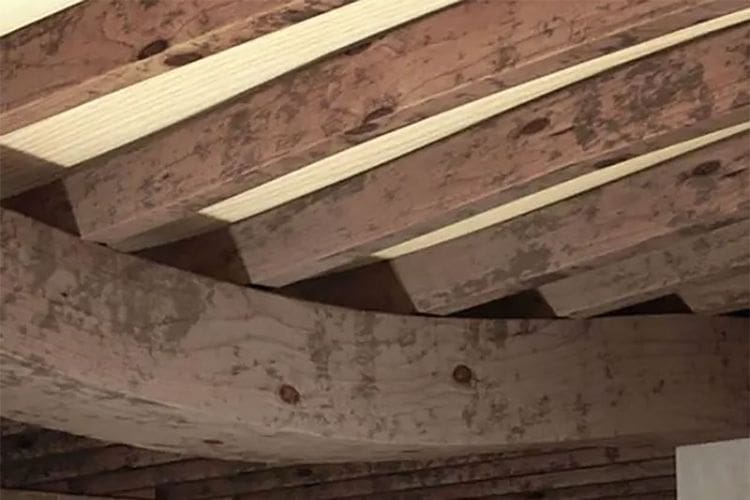
Some homes in Harrisburg are built on concrete slab foundations, especially newer construction and additions. When a slab floor begins to sag, unstable or poorly compacted soil beneath the slab is usually the culprit. Moisture heavy soil near river valleys can shift or compress over time, causing the slab to settle or crack. Repairing this type of damage requires professional concrete slab repair to restore proper support.
Water is a common contributor to sagging floors in Harrisburg due to frequent rain, snow melt, and elevated groundwater levels near the Susquehanna River. Moisture can saturate the soil around the foundation and affect the sill plate, beams, and floor joists. When these components remain damp, deterioration occurs, weakening the floor system and leading to sagging or uneven floors.
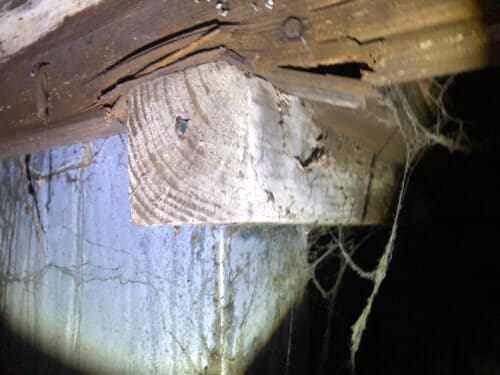
You don’t need standing water beneath your Harrisburg home for structural decay to begin. High humidity is common in the Susquehanna River valley, especially during hot summers when moisture builds up in older basements and crawl spaces. Homes in areas like Midtown, Allison Hill, and neighborhoods closer to Riverfront Park often experience damp conditions below the floor. Wood absorbs moisture from humid air over time, weakening beams and joists. As the framing softens, it compresses under the weight of the home, sometimes lowering floors by several inches and leading to sagging floor repair in Harrisburg, Pennsylvania.
Insects are another frequent contributor to sagging floors in the Harrisburg area. Termites are common throughout Dauphin County, particularly in older homes with untreated wood framing. Wood boring insects such as powderpost beetles are also present and can be difficult to detect because of their small size. These insects lay eggs inside wooden beams, and when the larvae hatch, they feed on the wood from within. Over time, both termites and beetles can significantly weaken the structural flooring system.
Human error is another possibility, especially in Harrisburg homes that have been renovated or updated over the years. Plumbing, electrical, or HVAC upgrades often require access beneath the floor, and in some cases contractors cut or notch floor joists or even the main support beam to make room for pipes or venting. These changes can create weak points in the flooring structure that may eventually crack, split, or sag as the home continues to settle.
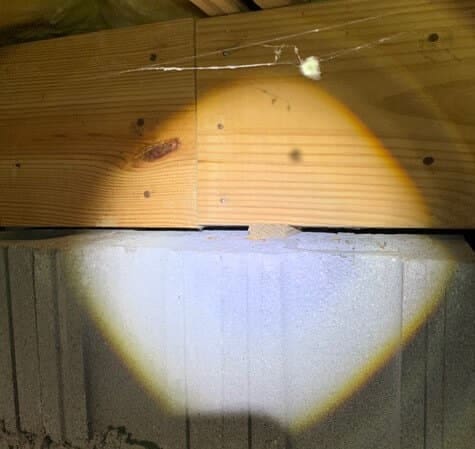
Outdated building standards are a common concern in many Harrisburg neighborhoods. A main support beam should be properly sized and supported at regular intervals, but in older homes the beam may be undersized or the support posts spaced too far apart. This over spanning places added stress on the beam and increases the likelihood of sagging or structural failure.
If your home is more than 50 years old, inadequate materials may also play a role. During construction, builders sometimes relied on shims to level framing when beams or joists were not the correct size. These shims were often made of wood, which can compress or rot over time. At Acculevel, we use steel shims to prevent compression and improve the bearing surface so the weight of the home is properly supported.
Technology is another age related factor that impacts floor stability. Before the 1970s, pressure treated lumber was not widely used, leaving raw wood more vulnerable to moisture and insect damage. Many older Harrisburg homes still contain this untreated framing.
Modern remodeling trends can also add stress to aging floor systems. Heavy materials such as tile floors, stone countertops, and finished basements increase the load on structures that were never designed to carry that weight. Recreational items like pool tables or home fitness equipment can further strain the system, accelerating sagging when the wood framing is already compromised.
Contact Acculevel! We provide free estimates on sagging floor repairs.


Addressing moisture and mold concerns in a small basement corner room with slight seepage issues. We focused on waterproofing measures to tackle existing mold and prevent further moisture intrusion. The estimated cost of this project is around $7400.
Near Greensboro, PA


Andy is addressing structural concerns with his porch by adding four piers to reinforce its foundation. This reinforcement is essential to stop the drywall cracks inside his home caused by the porch pulling away. The job is estimated to be around $7200, reflecting the importance of maintaining the integrity of his property's foundation.
Near Pittsburgh, PA


We've been working on stabilizing a home with an unlevel slab foundation. The project involved addressing cracks in the brickwork to ensure long-term durability. The presence of a nearby French drain was considered to prevent future issues. The work is estimated to be around $7700 as part of the overall repair efforts.
Near McDonald, PA


Completed a structural repair to address a leaning chimney. Helical piers were installed to stabilize and level out the chimney, which had begun to lean away from the house. This careful repair ensured the chimney was realigned without incurring any damage. The service falls within the expected budget range for such a project and was executed smoothly.
Near Pittsburgh, PA