✕
What issue are you experiencing?
Cracks, water intrusion, crawl space moisture, settlement, etc.
Cracks, water intrusion, crawl space moisture, settlement, etc.
We Treat Your Home Like Our Own
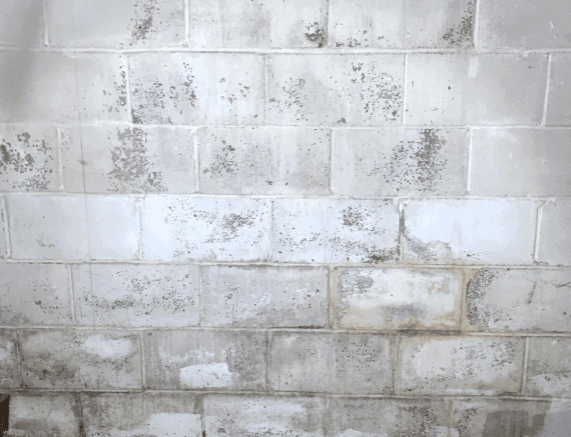




Basements and crawl spaces in Scranton often create ideal conditions for biological growth due to limited ventilation, darkness, and persistent moisture. Growth may appear as discoloration on basement walls or floors, or remain hidden behind finished walls, insulation, or carpeting. Many homeowners first notice a lingering musty smell before seeing visible signs of growth.
If left untreated, biological growth can impact indoor air quality and damage common basement materials, including drywall, wood framing, HVAC components, pipes, and stored belongings.
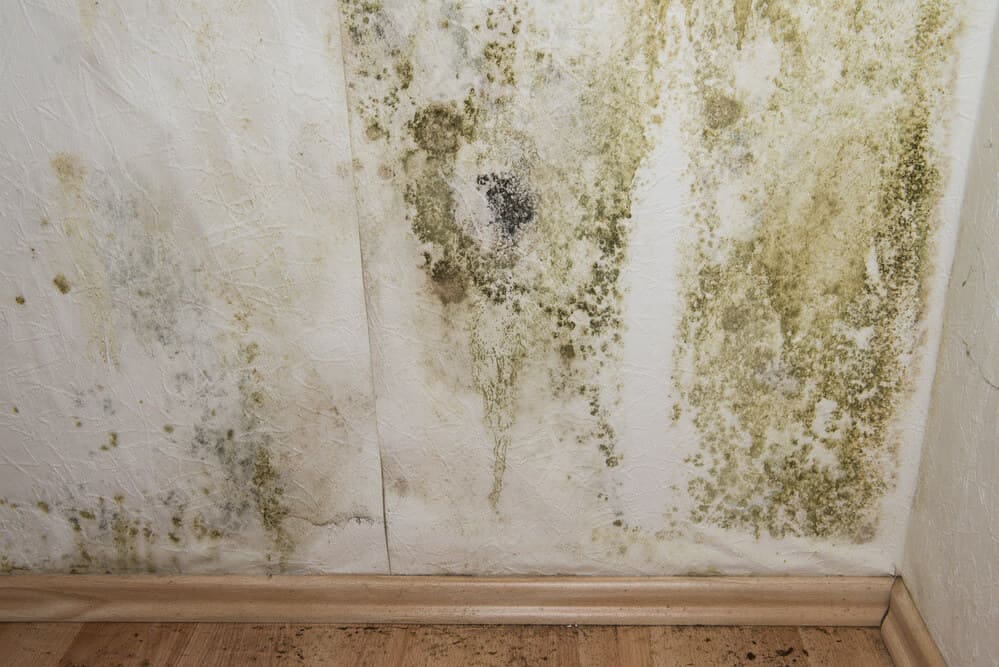
Heavy rainfall, snowmelt, groundwater intrusion, and plumbing leaks are common causes of biological growth in Scranton basements, especially in hillside neighborhoods. Porous materials like drywall and insulation absorb moisture quickly and create conditions where growth can spread. Wood framing, subflooring, and furniture are also at risk if moisture problems are not addressed.
Carpeting and padding are especially difficult to fully dry after flooding or water intrusion events. Even after visible water is removed, biological growth can continue spreading beneath surfaces. The EPA recommends professional remediation when growth exceeds 10 square feet—our team is ready to help eliminate biological growth for good.


Addressing moisture and mold concerns in a small basement corner room with slight seepage issues. We focused on waterproofing measures to tackle existing mold and prevent further moisture intrusion. The estimated cost of this project is around $7400.
Near Greensboro, PA


Andy is addressing structural concerns with his porch by adding four piers to reinforce its foundation. This reinforcement is essential to stop the drywall cracks inside his home caused by the porch pulling away. The job is estimated to be around $7200, reflecting the importance of maintaining the integrity of his property's foundation.
Near Pittsburgh, PA


We've been working on stabilizing a home with an unlevel slab foundation. The project involved addressing cracks in the brickwork to ensure long-term durability. The presence of a nearby French drain was considered to prevent future issues. The work is estimated to be around $7700 as part of the overall repair efforts.
Near McDonald, PA


Completed a structural repair to address a leaning chimney. Helical piers were installed to stabilize and level out the chimney, which had begun to lean away from the house. This careful repair ensured the chimney was realigned without incurring any damage. The service falls within the expected budget range for such a project and was executed smoothly.
Near Pittsburgh, PA