✕
What issue are you experiencing?
Cracks, water intrusion, crawl space moisture, settlement, etc.
Cracks, water intrusion, crawl space moisture, settlement, etc.
We Treat Your Home Like Our Own
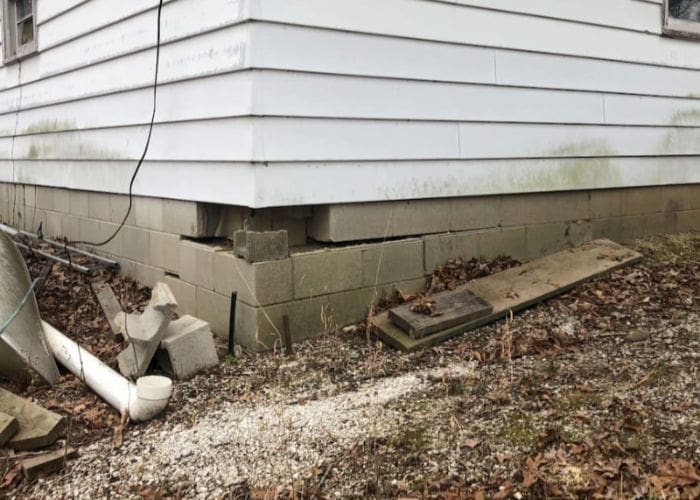



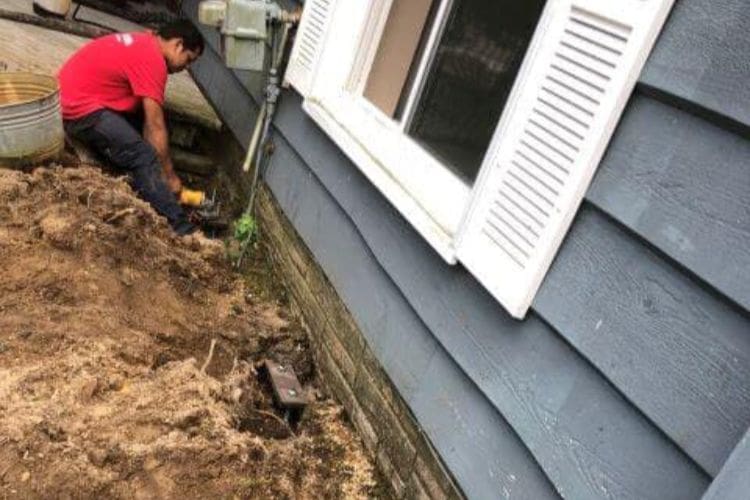
Foundation walls in Scranton homes are vulnerable to lateral pressure from saturated soil, especially during heavy rainfall. This pressure can cause cracking or bowing that worsens without professional repair.
Are cracks starting to appear in your drywall, or are doors and windows becoming difficult to open or close? These are common warning signs of uneven foundation settling in Scranton, especially in neighborhoods like Green Ridge, Hill Section, and areas near Nay Aug Park. Historic soil disturbance, aging infrastructure, and seasonal moisture changes can contribute to soil erosion and poor compaction beneath homes. Our foundation repair in Scranton, PA focuses on identifying the cause of settlement and providing a permanent solution.
When a foundation becomes unlevel, the structure of the home is pulled in opposing directions. Structural components such as wooden beams, floor joists, and concrete foundation walls are designed to remain rigid. When forced to move, these materials can twist or warp, creating stress throughout the home.
As wooden framing components shift out of alignment, window and door frames are affected as well. Once frames are no longer square, doors and windows may stick or fail to operate smoothly, and drywall cracks can develop around seams, ceilings, and corners—issues commonly found in older Scranton homes.
To correct uneven settling, the section of the foundation that is moving too quickly must be stabilized and properly supported. Addressing settlement early helps prevent additional damage and protects the long-term structural integrity of the home.
Erosion and foundation settling are the most common causes of a leaning chimney in Scranton. As water flows through the soil, it can wash away the earth beneath or around the chimney footing, especially in areas with sloped terrain or older drainage systems. This loss of support allows the chimney to tilt or pull away from the home.
Helical piers are often the most effective repair option for stabilizing a leaning chimney. These systems anchor the chimney into stable, load-bearing soil, providing permanent support and preventing further movement.
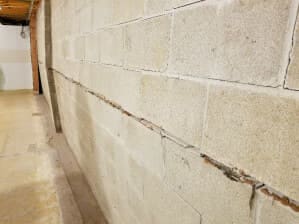
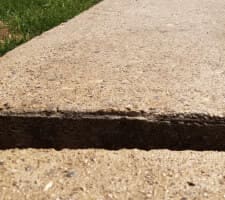


Addressing moisture and mold concerns in a small basement corner room with slight seepage issues. We focused on waterproofing measures to tackle existing mold and prevent further moisture intrusion. The estimated cost of this project is around $7400.
Near Greensboro, PA


Andy is addressing structural concerns with his porch by adding four piers to reinforce its foundation. This reinforcement is essential to stop the drywall cracks inside his home caused by the porch pulling away. The job is estimated to be around $7200, reflecting the importance of maintaining the integrity of his property's foundation.
Near Pittsburgh, PA


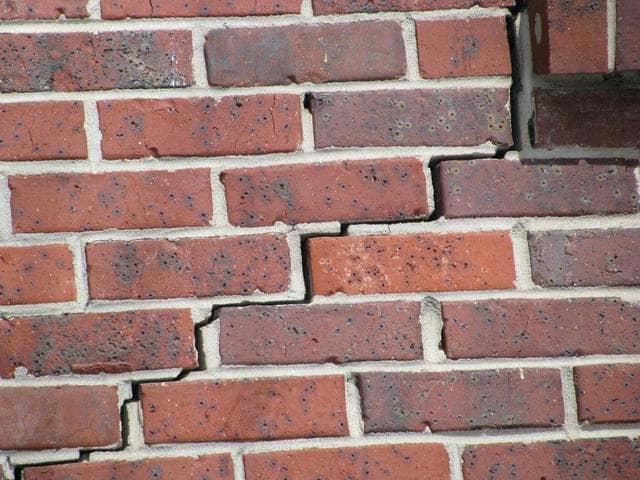
We've been working on stabilizing a home with an unlevel slab foundation. The project involved addressing cracks in the brickwork to ensure long-term durability. The presence of a nearby French drain was considered to prevent future issues. The work is estimated to be around $7700 as part of the overall repair efforts.
Near McDonald, PA


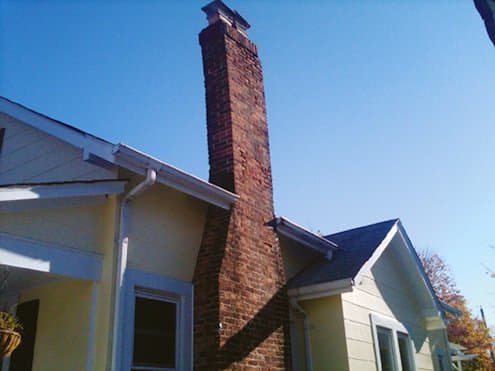
Completed a structural repair to address a leaning chimney. Helical piers were installed to stabilize and level out the chimney, which had begun to lean away from the house. This careful repair ensured the chimney was realigned without incurring any damage. The service falls within the expected budget range for such a project and was executed smoothly.
Near Pittsburgh, PA