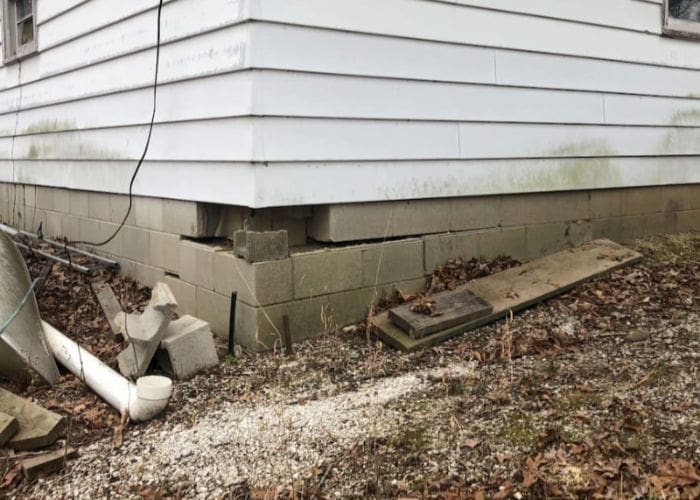
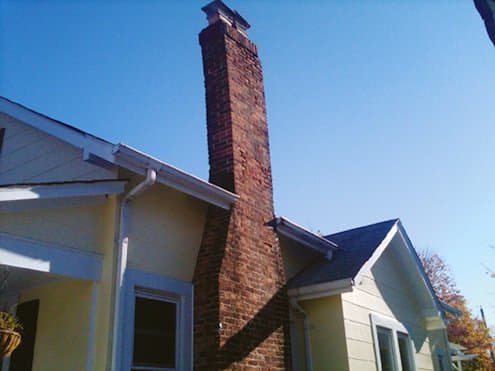
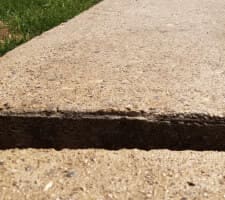
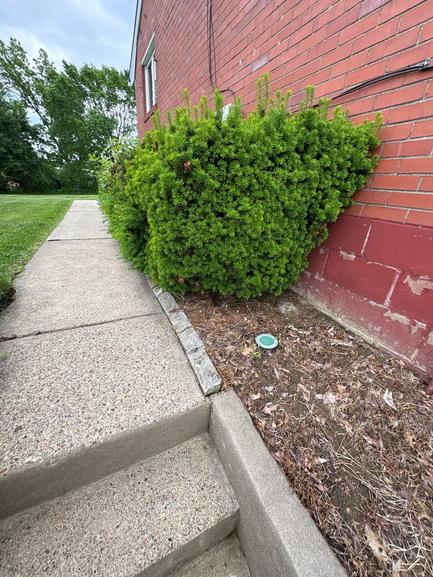
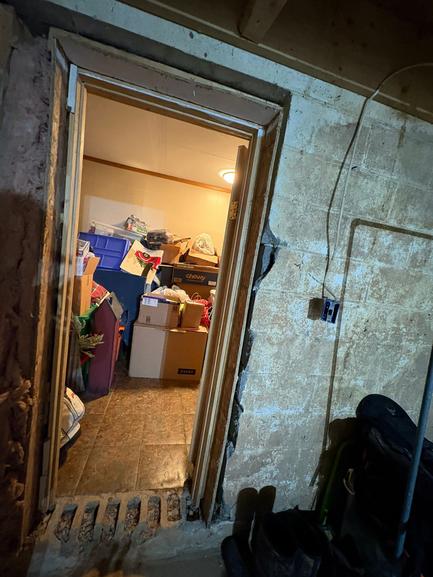
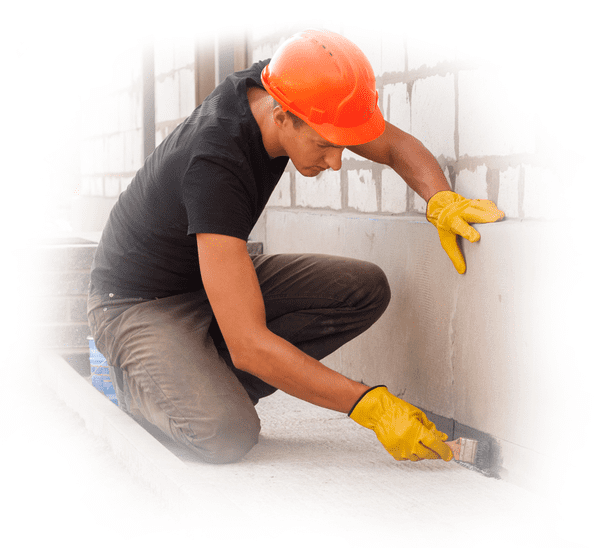
Are cracks forming in your drywall, or are doors and windows beginning to stick? These are common signs of uneven foundation settling in Lancaster, especially in neighborhoods near Downtown Lancaster, West End, and areas surrounding older farmland properties. Varying soil conditions and seasonal moisture changes can lead to soil erosion and poor compaction beneath the home. Our foundation repair in Lancaster, PA starts with identifying the cause of the settlement and creating a permanent repair solution.
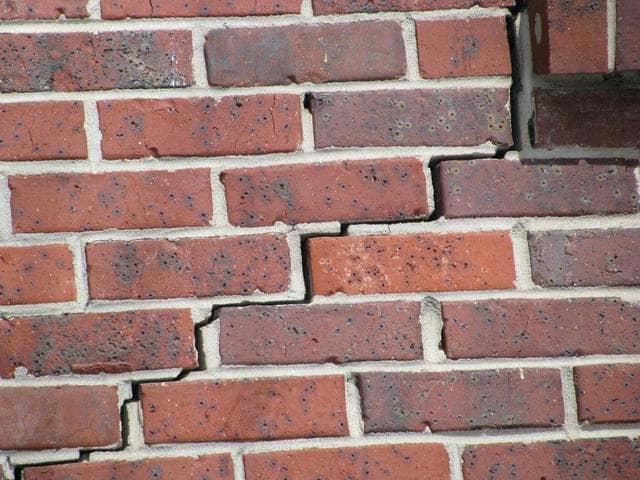
When a foundation becomes unlevel, the structure of the home is pulled in opposing directions. Key structural components such as wooden beams, floor joists, and concrete foundation walls are built to remain rigid. When movement occurs, these materials can twist or warp, placing stress throughout the home.
As wooden framing shifts out of alignment, window and door frames move as well. Once frames are no longer square, doors and windows may stick or fail to operate smoothly, and drywall cracks often form around openings, ceilings, and corners—issues commonly seen in Lancaster-area homes.
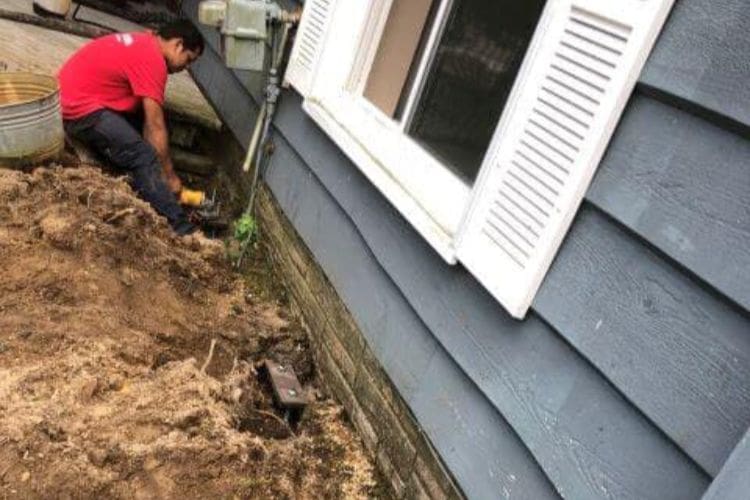
To correct uneven settling, the section of the foundation that is moving too quickly must be stabilized and properly supported. Addressing the problem early helps prevent further structural damage and protects the long-term integrity of the home.