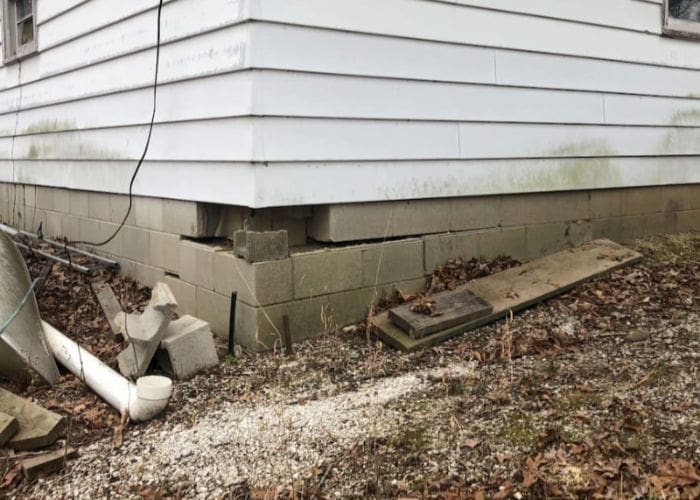
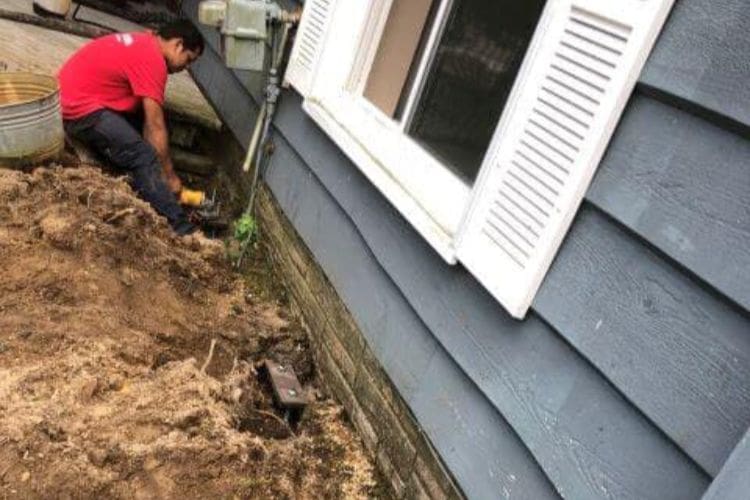
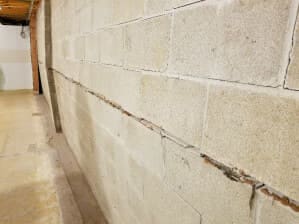
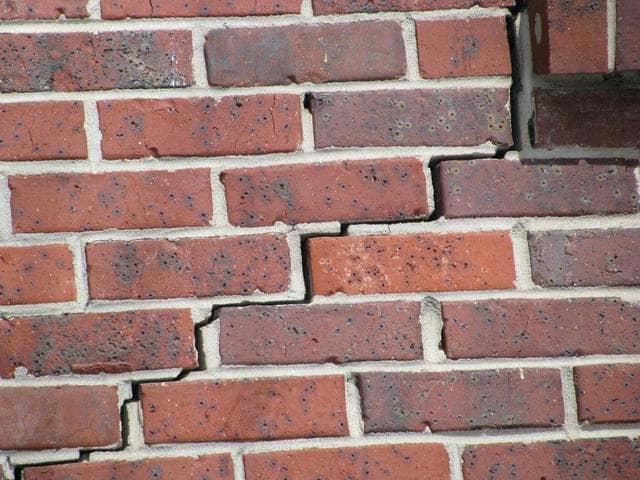
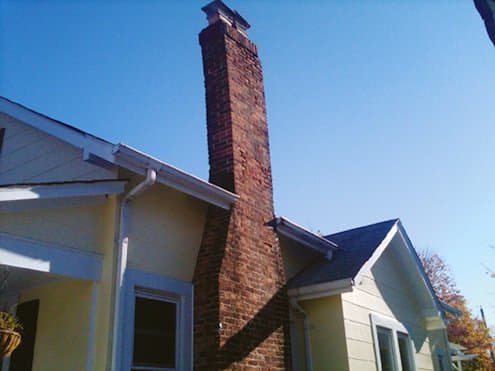
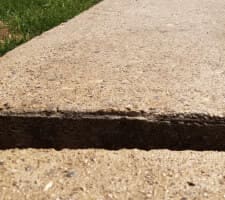
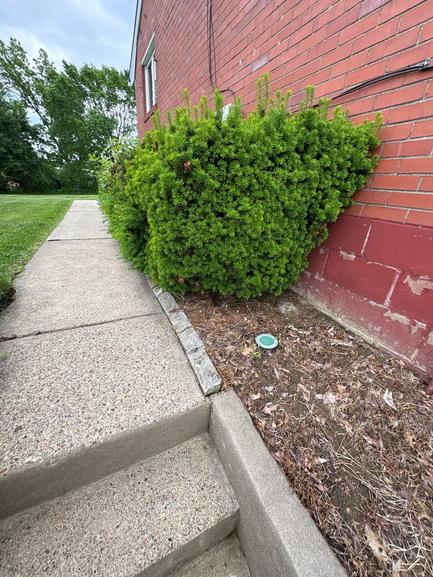
Are you noticing cracks forming in your drywall, or doors and windows that suddenly stick or won’t close properly? These are common warning signs of uneven foundation settling in Easton, especially in neighborhoods near College Hill, West Ward, and areas closer to the Delaware River. Soil erosion and poorly compacted soil are frequent contributors to settlement in this region, particularly after heavy rainfall or seasonal freeze-thaw cycles. Our foundation repair in Easton, PA begins with identifying the underlying cause and developing a permanent solution tailored to your home.
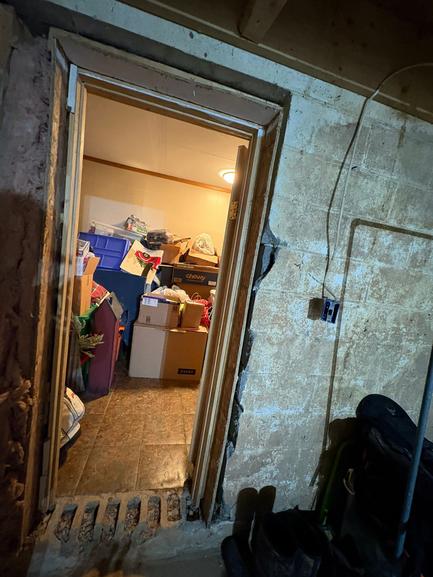
When a foundation becomes unlevel, the entire structure of the home is pulled in opposing directions. Structural components like wooden beams, floor joists, and concrete walls are rigid by design and are not meant to bend or stretch. As pressure builds, these materials begin to twist, shift, or warp, creating visible and structural damage throughout the home.
As wooden components warp or move out of alignment, window and door frames are forced out of square. Once the framing shifts, doors and windows no longer operate smoothly, and drywall can crack along seams, corners, and ceilings, particularly in older Easton homes.
To correct uneven settling, the foundation that is moving too quickly must be properly stabilized and supported. Addressing settlement early helps prevent further structural stress and protects the long-term integrity of the home.