We Treat Your Home Like Our Own

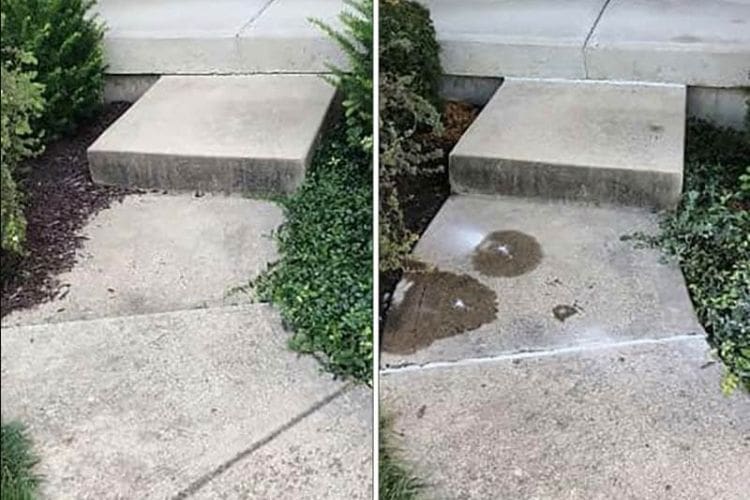
Concrete surfaces are everywhere in Philadelphia, from rowhomes in South Philly to walkways near Fairmount Park and patios in Northeast neighborhoods. As soil settles and water drains unevenly beneath slabs, concrete sidewalks and patios can crack, tilt, or sink. Freeze-thaw cycles and aging urban infrastructure only add to the problem. Slabjacking is often the smartest way to lift and stabilize these concrete surfaces without full replacement.
Acculevel was founded in 1996, and is well known in the industry for repairing foundations, basements, and crawl spaces. We raise and repair concrete structures for thousands of customers per year.


Pittsburgh’s hilly terrain and frequent rainfall make erosion a leading cause of concrete slab movement. Homes in neighborhoods like Mount Washington, Brookline, and Greenfield often experience soil washout beneath patios and sidewalks due to poor drainage. Water flowing downhill can quickly remove supporting soil, especially when combined with leaking underground utilities.
The soil around Pittsburgh varies widely and often contains clay that reacts strongly to moisture. Freeze-thaw cycles in winter and heavy spring rains cause repeated expansion and contraction beneath concrete slabs. Over time, this movement destabilizes the slab, particularly when soil compaction was insufficient during installation.
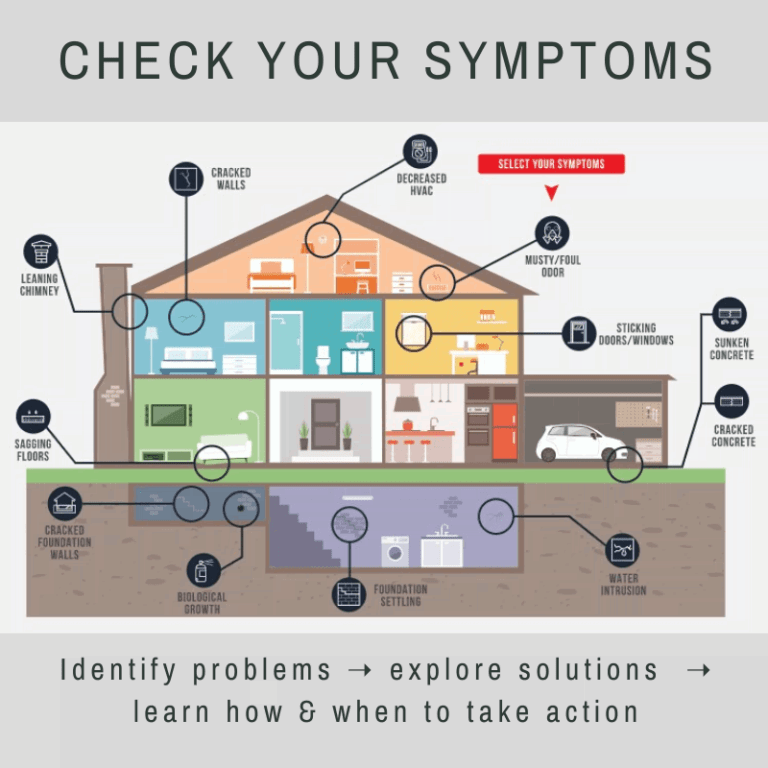
When a slab settles unevenly, it creates cracks, trip hazards, and drainage problems. Water may pool against the home instead of draining away, increasing the risk of foundation moisture intrusion. Long-term exposure to excess moisture can damage structural wood components and contribute to biological growth in basements or crawl spaces. Water permeating into your home can cause rotting in the structural wood flooring system (sill plate, floor joists, etc) and allow mold to flourish and grow.
Slabjacking is a proven solution for concrete sidewalk and patio repair in Pittsburgh, PA, where steep terrain and clay-heavy soils frequently lead to sinking slabs. The process involves drilling small holes into the affected concrete and injecting lifting material below the surface. This material fills gaps beneath the slab and gradually raises it as pressure builds.
In hillside neighborhoods like Mount Washington and Brookline, soil erosion and water drainage are common causes of concrete movement. Acculevel uses polyurethane foam, which expands quickly and provides controlled lifting. This method offers greater precision than traditional mudjacking and is well suited for Pittsburgh’s challenging landscape.
In this video, one of our knowledgeable experts explains why we choose to perform slabjacking:
Concrete sidewalk and patio repair in Pittsburgh must account for steep grades and frequent freeze-thaw cycles. Slabjacking foam cures within minutes, allowing homeowners in neighborhoods like Mount Washington, Brookline, and Squirrel Hill to safely use repaired concrete the same day. Patios are often walkable almost immediately, while garage floors are typically ready within an hour. This quick turnaround is ideal for sloped driveways where access matters. Mudjacking cure times are longer and more sensitive to temperature changes.
Slabjacking equipment easily navigates Pittsburgh’s narrow streets and hillside properties without disturbing retaining walls or landscaping. The process requires only small injection holes and produces minimal dust. Crews avoid the need for excavation, which can destabilize soil on sloped lots. Compared to slab replacement, slabjacking dramatically reduces noise, debris, and cleanup time. This makes it a safer and cleaner option for Pittsburgh homes.
Because slabjacking lifts existing concrete, it keeps repair costs lower for Pittsburgh homeowners. Pricing depends on the size of the slab and the depth of settlement, often caused by hillside erosion. Avoiding demolition reduces labor costs and shortens project timelines. Full slab replacement is usually much more expensive and may worsen grading or drainage issues. For more details on costs, please review our article on costs comparisons.