We Treat Your Home Like Our Own

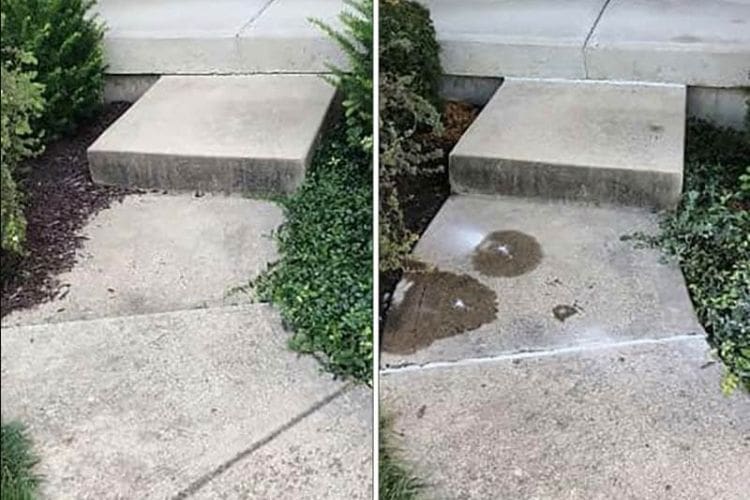
Concrete surfaces are everywhere in Philadelphia, from rowhomes in South Philly to walkways near Fairmount Park and patios in Northeast neighborhoods. As soil settles and water drains unevenly beneath slabs, concrete sidewalks and patios can crack, tilt, or sink. Freeze-thaw cycles and aging urban infrastructure only add to the problem. Slabjacking is often the smartest way to lift and stabilize these concrete surfaces without full replacement.
Acculevel provides trusted concrete sidewalk and patio repair in Philadelphia, PA, helping homeowners improve safety and appearance. Founded in 1996, we’re known for dependable repairs that last.


In Philadelphia, erosion beneath concrete slabs is common, particularly in older neighborhoods like South Philly, Fishtown, and Germantown where aging stormwater systems struggle during heavy rain. When water repeatedly flows beneath a sidewalk or patio, it carries soil away, leaving empty pockets that cause the concrete to sink. Improperly routed downspouts and underground plumbing leaks are frequent contributors.
Philadelphia’s dense clay soil reacts strongly to moisture changes. Wet springs, humid summers, and winter freeze-thaw cycles cause the soil to expand and contract repeatedly. These movements put stress on concrete sidewalks and patios, especially in areas with heavy foot traffic or older construction standards.
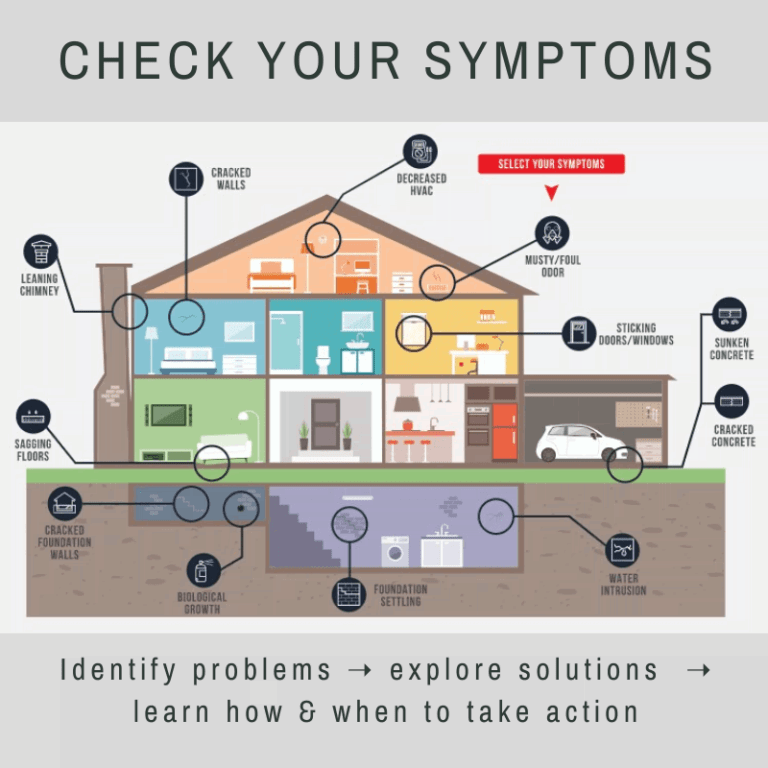
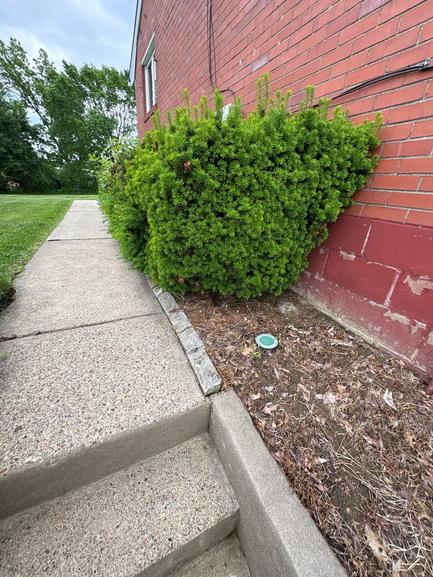
Uneven concrete creates immediate safety concerns, particularly in high-traffic city areas. Cracked slabs and lifted joints can easily catch a pedestrian’s foot. Additionally, sunken concrete can slope water toward rowhome foundations, increasing the risk of basement moisture issues, wood deterioration, and biological growth inside the structure. Water permeating into your home can cause rotting in the structural wood flooring system (sill plate, floor joists, etc) and allow mold to flourish and grow.
For concrete sidewalk and patio repair in Philadelphia, PA, slabjacking restores uneven concrete by injecting material beneath the slab to correct settlement. Small holes are drilled through the surface, and a specialized filler is pumped underneath to fill voids caused by soil movement, aging infrastructure, or water runoff common in neighborhoods like Fishtown, South Philly, and West Philadelphia.
Older row homes and historic properties near Fairmount Park often experience concrete sinking from decades of freeze-thaw cycles. Acculevel uses polyurethane foam instead of traditional mudjacking slurry. The foam expands rapidly, lifting the slab evenly and allowing for accurate adjustments, making it ideal for busy city sidewalks and patios.
In this video, one of our knowledgeable experts explains why we choose to perform slabjacking:
Concrete sidewalk and patio repair in Philadelphia requires fast solutions that minimize disruption in busy neighborhoods like South Philly, Fishtown, and West Oak Lane. Slabjacking uses a fast-curing polyurethane foam that sets within minutes, allowing sidewalks to reopen quickly for foot traffic. Patios and walkways can often be used the same day, which is critical for row homes and shared access areas. Garage floors are typically ready for vehicles within an hour. Mudjacking, by comparison, often requires extended cure times that delay normal use.
Philadelphia properties often have limited access, but slabjacking equipment fits easily on narrow streets and tight driveways. Repairs can be completed without tearing up brick walkways, historic concrete, or nearby landscaping. The process creates minimal dust and avoids the excessive debris associated with slab removal. This is especially important in dense urban areas where disposal and cleanup can be challenging. Slabjacking keeps the repair focused and efficient.
Slabjacking is a cost-effective option for concrete sidewalk and patio repair in Philadelphia because it restores existing slabs rather than replacing them. Costs are influenced by slab size and soil settlement, which is common in older urban neighborhoods. Avoiding demolition helps reduce labor expenses and project timelines. Concrete replacement is typically far more expensive and may require permits or additional coordination in city environments. The costs to replace concrete can be double the price of slabjacking. For more details on costs, please review our article on costs comparisons.