We Treat Your Home Like Our Own


Homes in Springfield—particularly around Rountree, Battlefield Road, and Galloway—often face soil movement beneath slab foundations. Without a crawl space or basement, slab floors directly reflect changes in soil stability. Poor compaction or water intrusion can cause portions of the slab to settle. This leads to uneven flooring and cracks. Professional sagging floors repair in Springfield corrects these underlying slab issues.
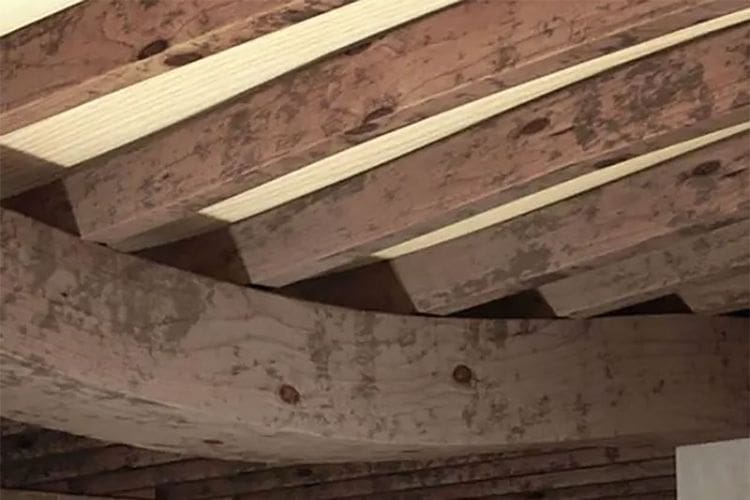
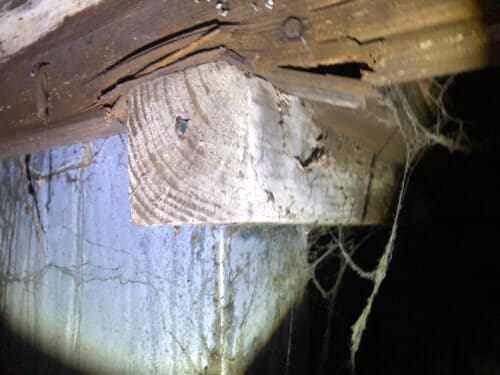
In Springfield, sagging floors are often caused by moisture problems tied to heavy rainfall, variable soil conditions, and aging drainage systems, especially in neighborhoods near Phelps Grove Park, Rountree, and older areas close to Jordan Creek. When water seeps into the soil around your foundation, it can saturate the sill plate, floor joists, and wooden beams that support your floors. These structural components sit directly above concrete and exposed soil, making them particularly vulnerable to moisture intrusion. As the wood absorbs water, it begins to deteriorate and lose strength. Over time, this deterioration weakens the floor system, resulting in uneven or sloping floors throughout the home.


Standing water isn’t required for structural damage to occur. Crawl spaces in Springfield frequently trap warm, humid air, especially during the summer months. Wood naturally absorbs moisture from the air, which slowly softens joists and beams over time. As these components weaken, they compress under the weight of the home above them. This compression can cause floors to sink several inches, particularly in older homes with limited crawl space ventilation.
Wood-destroying insects are a common contributor to sagging floors in Springfield homes. Termites are a well-known issue, but powderpost beetles and other wood-boring insects are also prevalent throughout Greene County. These pests are extremely small and difficult to detect until damage is already advanced. They lay eggs inside wooden beams, and the larvae feed on the wood from the inside out. This hidden damage gradually reduces the structural strength of the floor system, leading to sagging, soft spots, and uneven flooring.
Human error can also play a role in floor problems, especially in homes that have undergone remodeling or system upgrades. Many Springfield homes have been updated with modern plumbing, electrical, or HVAC systems. To make room for pipes or ductwork, contractors may cut or notch floor joists or support beams. These modifications create structural weak points that may not be immediately noticeable but can crack, split, or sag over time under everyday loads.

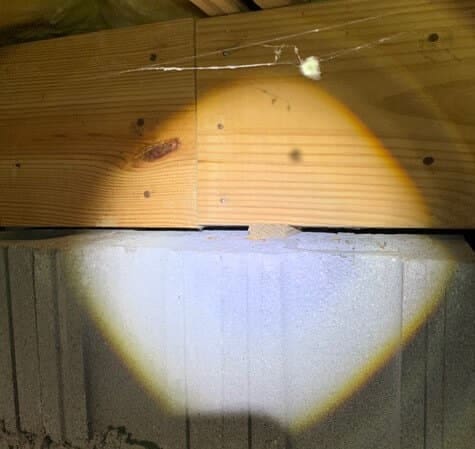
The age of your home is another important factor. Springfield has many homes built before modern building codes were enforced. In some cases, support beams may be undersized or support posts spaced too far apart. This over-spanning places excessive stress on the beam, increasing the likelihood of sagging floors as materials age. Homes over 50 years old may also contain outdated materials, such as wood shims that compress or deteriorate over time.
Building materials and construction practices have evolved significantly over the decades. Before pressure-treated lumber became common, untreated wood was widely used and is far more vulnerable to moisture and insect damage. Modern remodeling trends can also contribute to sagging floors. Heavy flooring materials, stone countertops, hardwood floors, and large furniture items add weight that older floor systems may not be designed to support.
If you’re noticing uneven floors, soft spots, or changes in how your doors and windows operate, it’s time to act. Contact Acculevel for a free estimate on sagging floors repair in Springfield, MO. Our team will identify the root cause and recommend a permanent solution to restore stability and confidence in your home.
There are no job check-ins to display