We Treat Your Home Like Our Own


Homes throughout Lee’s Summit—especially near Lakewood, Downtown Lee’s Summit, and Longview—often experience soil movement due to moisture fluctuations. Slab foundations are particularly vulnerable because they rest directly on the soil. When erosion or poor compaction occurs, sections of the slab can sink. This creates noticeable dips and cracked flooring. Sagging floors repair in Lee’s Summit focuses on correcting soil failure beneath the concrete slab.
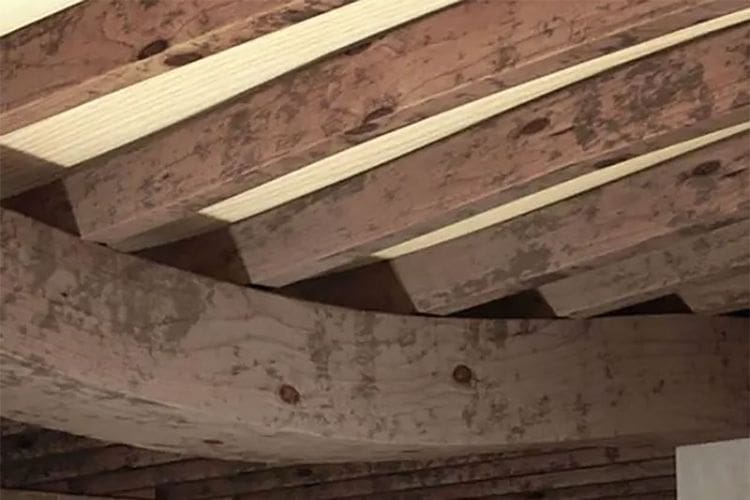
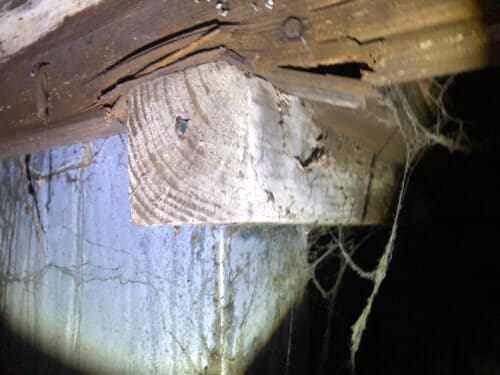
In Lee’s Summit, sagging floors are often linked to moisture issues caused by heavy rainfall, clay-rich soils, and drainage challenges, particularly in neighborhoods near Lake Lotawana, Raintree Lake, and older subdivisions throughout the city. When water seeps into the soil around your foundation, it can saturate the sill plate, floor joists, and wooden beams that support your home. These components sit directly above concrete and exposed soil, making them especially vulnerable to moisture intrusion. As the wood absorbs water, it begins to deteriorate and lose strength. Over time, this deterioration weakens the floor system, leading to uneven or sloping floors inside the home.


Standing water isn’t required for structural damage to occur. Crawl spaces in Lee’s Summit frequently trap warm, humid air during the summer months, especially in homes with limited ventilation beneath the structure. Wood naturally absorbs moisture from the air, which slowly softens beams and joists over time. As these components weaken, they compress under the weight of the home above them. This compression can cause floors to sink several inches, particularly in older homes or those built before modern moisture control methods were common.
Wood-destroying insects are a common contributor to sagging floors in Lee’s Summit homes. Termites are well known throughout Jackson County, but powderpost beetles and other wood-boring insects are also prevalent. These pests are extremely small and difficult to detect until damage is already advanced. They lay eggs inside wooden beams, and the larvae feed on the wood from the inside out. Over time, this hidden damage reduces the load-bearing capacity of the floor system, leading to sagging, soft spots, and uneven flooring.
Human error can also play a role in sagging floors, especially in homes that have undergone renovations or system upgrades. Many Lee’s Summit homes—particularly in established neighborhoods—have been updated with modern plumbing, electrical, or HVAC systems. To make room for new installations, contractors may cut or notch floor joists or support beams. These alterations weaken the structure and create stress points that may not be immediately visible but can crack, split, or sag over time.

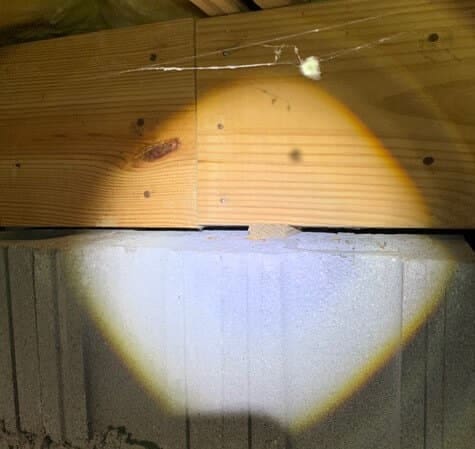
The age of your home is another key factor. Lee’s Summit has many homes built before current building codes and engineering standards were enforced. In some cases, support beams may be undersized or support posts spaced too far apart. This over-spanning places excessive stress on the beam, increasing the likelihood of sagging floors as materials age. Older homes may also contain wood shims that compress or rot over time, further contributing to uneven floors.
Building materials and construction practices have evolved significantly over the years. Before pressure-treated lumber became widely available, untreated wood was commonly used and is more vulnerable to moisture and insect damage. Modern remodeling trends can also add strain to older floor systems. Heavy flooring materials, stone countertops, hardwood floors, and large furniture items increase the load on structures that were never designed to support these weights.
If your floors feel uneven, soft, or unstable, it’s important to address the issue early. Contact Acculevel for a free estimate on sagging floors repair in Lee’s Summit, MO. Our team will evaluate your home and recommend a permanent solution to restore strength and stability.
There are no job check-ins to display