
✕
What issue are you experiencing?
Cracks, water intrusion, crawl space moisture, settlement, etc.
Cracks, water intrusion, crawl space moisture, settlement, etc.
We Treat Your Home Like Our Own



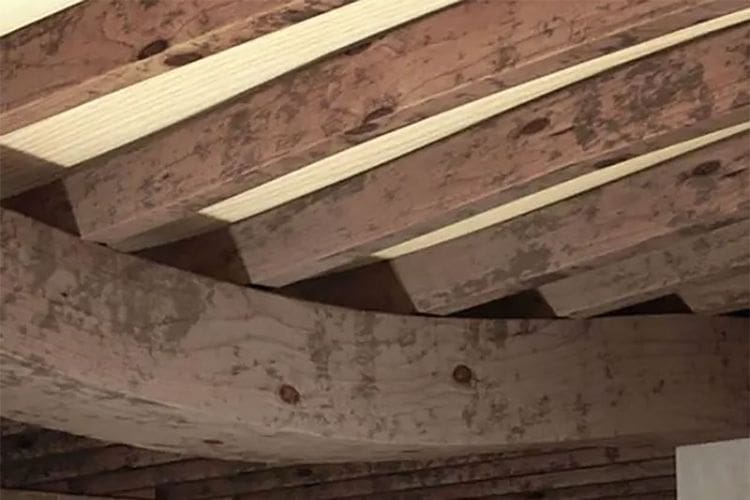
In homes with basements or crawl spaces in Columbia, sagging floors are often linked to moisture intrusion, weakened floor joists, or failing support posts that no longer provide adequate structural support.
In Columbia, sagging floors are often caused by moisture issues related to heavy rainfall, variable clay-based soils, and aging drainage systems, especially in neighborhoods near Hinkson Creek, Old Southwest, and areas surrounding the University of Missouri campus. When water seeps into the soil around your foundation, it can saturate the sill plate, floor joists, and wooden beams that support your home. These structural components sit directly above concrete and exposed soil, making them especially vulnerable to moisture intrusion. As the wood absorbs water, it begins to deteriorate and lose strength. Over time, this deterioration weakens the entire floor system, leading to sloping, uneven, or soft floors throughout the home.
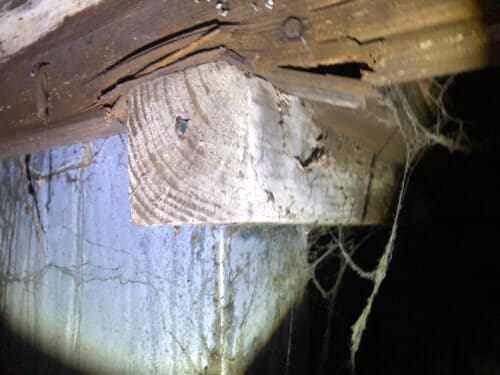
Standing water isn’t required for structural damage to occur. Crawl spaces in Columbia frequently trap warm, humid air during the summer months, particularly in shaded or low-lying areas. Wood naturally absorbs moisture from the air, which slowly softens beams and joists over time. As these components weaken, they compress under the weight of the home above them. This compression can cause floors to sink several inches, especially in older homes with limited crawl space ventilation.
Wood-destroying insects are a common contributor to sagging floors in Columbia homes. Termites are a known concern throughout Boone County, but powderpost beetles and other wood-boring insects are also prevalent. These pests are extremely small and difficult to detect until damage has progressed. They lay eggs inside wooden beams, and the larvae feed on the wood from the inside out. Over time, this hidden damage significantly reduces the load-bearing capacity of the floor system, leading to sagging, bouncing, or uneven floors.
Human error can also play a role in sagging floors, particularly in homes that have been remodeled or expanded. Many Columbia homes—especially those near downtown or older residential areas—have undergone plumbing, electrical, or HVAC upgrades. To make room for new systems, contractors may cut or notch floor joists or support beams. These alterations weaken the structure and create stress points that may not be immediately visible but can lead to cracking, splitting, or sagging floors over time.
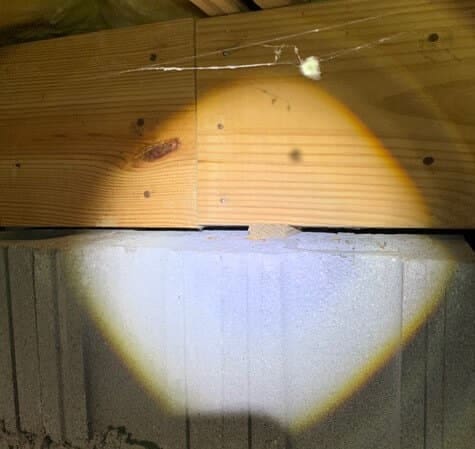
The age of your home is another key factor. Columbia has many homes built before modern building codes and engineering standards were established. In some cases, support beams may be undersized or support posts spaced too far apart. This over-spanning places excessive stress on the beam, increasing the likelihood of sagging floors as materials age. Older homes may also contain wood shims that compress, rot, or deteriorate, further contributing to uneven flooring.
Construction technology has advanced significantly over the decades. Before pressure-treated lumber became widely available, untreated wood was commonly used and is far more vulnerable to moisture and insect damage. Modern remodeling trends can also accelerate sagging floors. Heavy flooring materials, stone countertops, hardwood floors, and large furniture items add weight that many older floor systems were never designed to support.
If you’re noticing uneven floors, soft spots, or signs of structural movement, it’s important to address the issue early. Contact Acculevel for a free estimate on sagging floors repair in Columbia, MO. Our team will identify the root cause and recommend a permanent solution to restore strength, stability, and peace of mind.


Aurelio's garage floor in New Bloomfield was sinking, so we stepped in to level it using slabjacking techniques. The process ensured the garage floor is stable and aligned, addressing safety and usability concerns with no cracks reported. The project was priced at around $4,000.
Near MO, 65
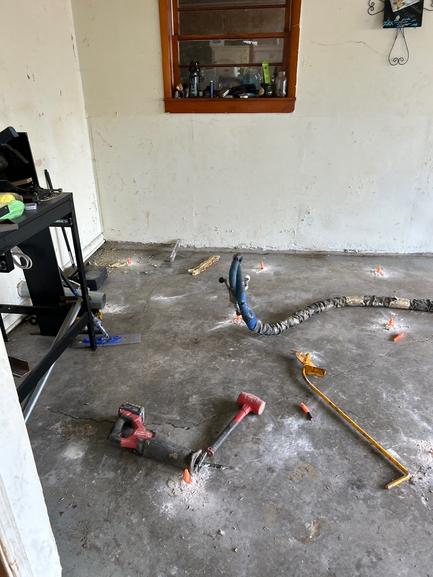


In James's home in the 65251 area, we tackled a sinking floor issue in the laundry room. The slabjacking process was initiated to address the problem potentially caused by tree roots. This work was necessary due to indicators like popped drywall screws on the stairs. With a project cost around $14,700, this repair ensures the stability and safety of the home.
Near Fulton, MO


Completed a critical foundation reinforcement in a client's crawlspace. The project involved stabilizing sagging floors with new support posts and addressing visible structural weaknesses. Ensured the crawlspace is well-insulated and secure, providing much-needed stability to the home.
Near Columbia, MO


Our team recently tackled a pressing foundation repair project for Sheila in the 65010 area. The focus was on the south side of the home where water intrusion was occurring at the floor-wall junction in the basement. The project involved critical waterproofing measures to prevent further water damage, with an approximate job cost of $3,745.
Near Ashland, MO