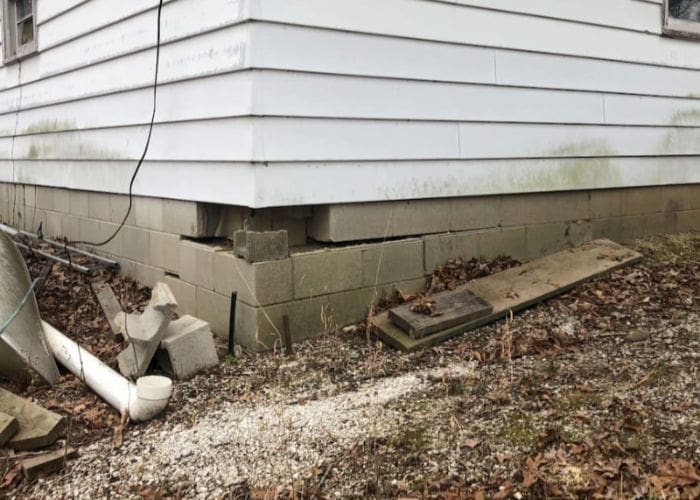
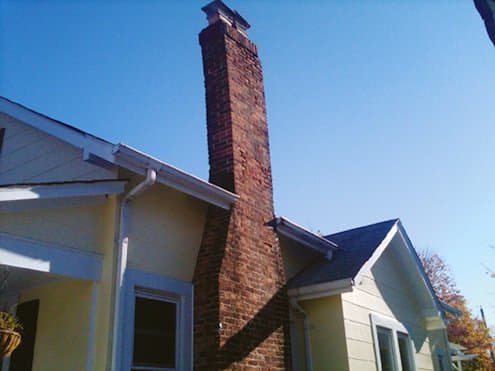
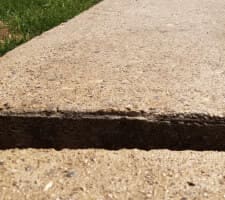
Cracks forming in drywall, floors that feel uneven, or doors that suddenly begin to stick are often early signs of foundation settlement. In St. Joseph, foundation movement is commonly influenced by clay rich soils, rolling topography, and seasonal moisture changes that affect soil stability beneath the home.
Homes in neighborhoods such as Ashland Avenue, the South Side, and areas near Krug Park frequently experience soil expansion during wet conditions followed by shrinkage during drier periods. Over time, this repeated cycle can cause sections of the foundation to settle at different rates.
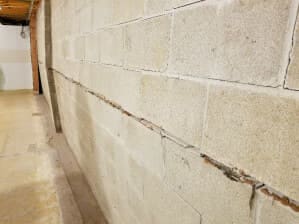
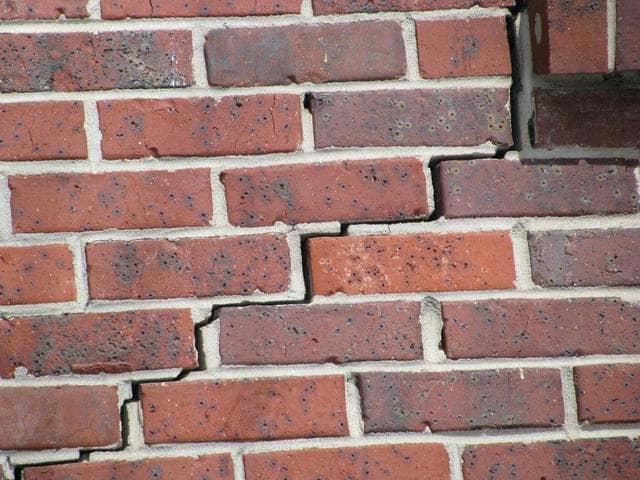
As the foundation shifts, stress is transferred to the structure above it. Structural framing is designed to remain rigid, so instead of bending, materials may pull apart at joints or twist under uneven pressure. This can gradually lead to cracked walls, uneven floors, and visible separation throughout the home.
As framing moves out of alignment, door and window frames often follow. Homeowners may notice doors rubbing or sticking, windows becoming difficult to operate, and cracks forming along drywall seams, ceilings, or interior corners.
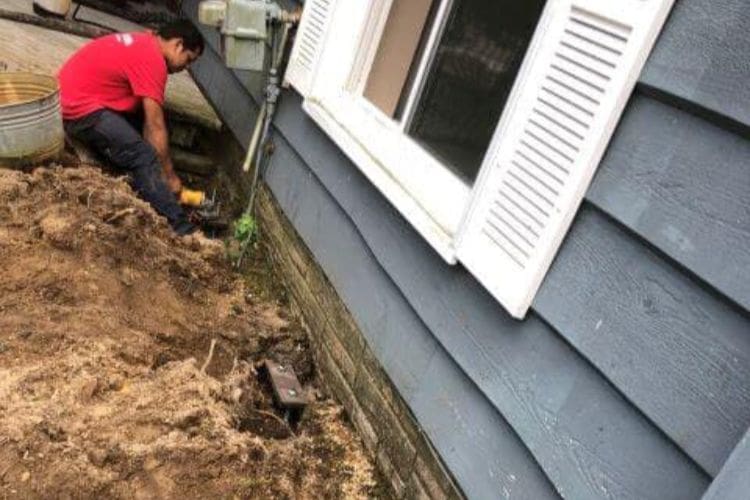
To prevent continued movement, the portion of the foundation that is settling must be stabilized and properly supported. Addressing settlement early helps protect the home from long term structural damage.