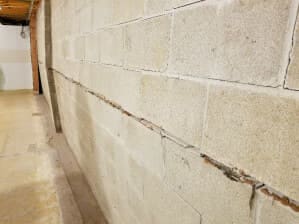
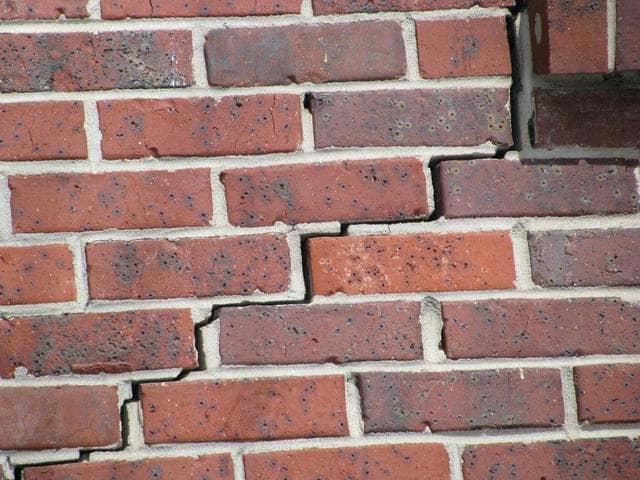
Cracks in drywall, uneven floors, or doors that no longer close properly are often the first signs of foundation settlement. In Columbia, foundation movement is frequently influenced by clay rich soils, rolling terrain, and fluctuating moisture levels throughout the year.
Homes in areas such as Old Southwest, Benton Stephens, and neighborhoods near the University of Missouri often experience soil expansion during wet periods followed by shrinkage during dry conditions. Over time, this repeated cycle can cause sections of the foundation to settle unevenly.
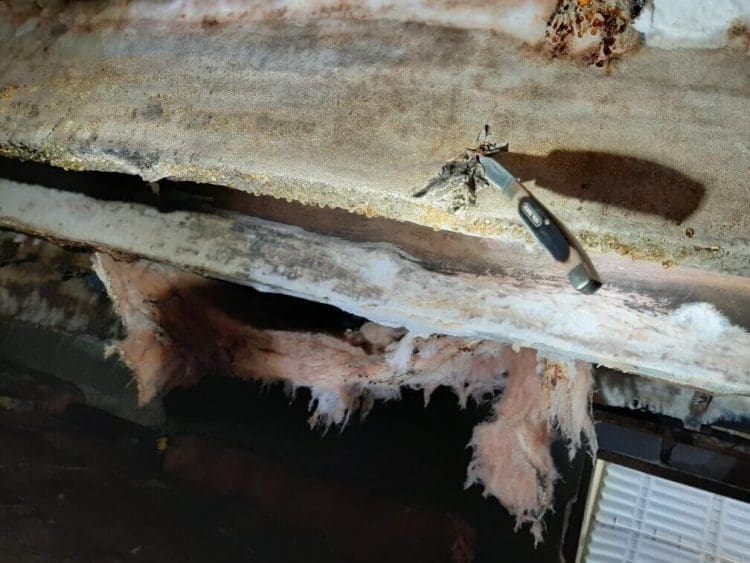
As the foundation shifts, the structure above it begins to experience stress. Structural framing is designed to remain rigid, so rather than bending, materials may pull apart, twist, or crack at connection points. This movement can gradually affect walls, floors, and ceilings throughout the home.
As framing shifts out of alignment, door and window frames may no longer sit square. Homeowners often notice sticking doors, windows that are difficult to open, and cracks forming along drywall seams or interior corners.
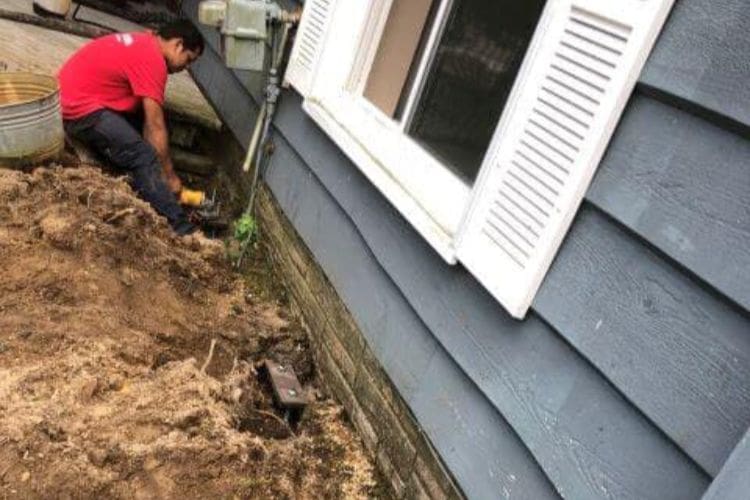
To stop further movement, the portion of the foundation that is settling must be stabilized and properly supported. Addressing settlement early helps protect the home from escalating structural damage.