✕
What issue are you experiencing?
Cracks, water intrusion, crawl space moisture, settlement, etc.
Cracks, water intrusion, crawl space moisture, settlement, etc.
We Treat Your Home Like Our Own
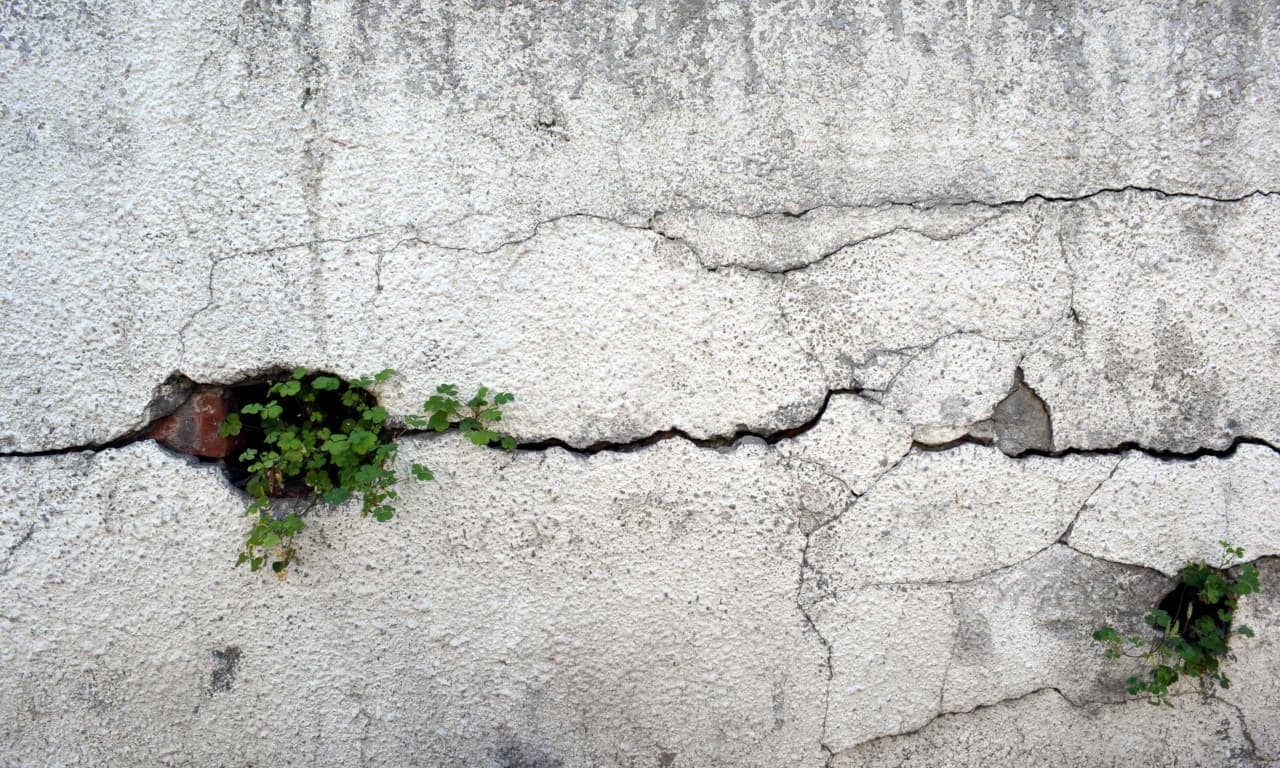



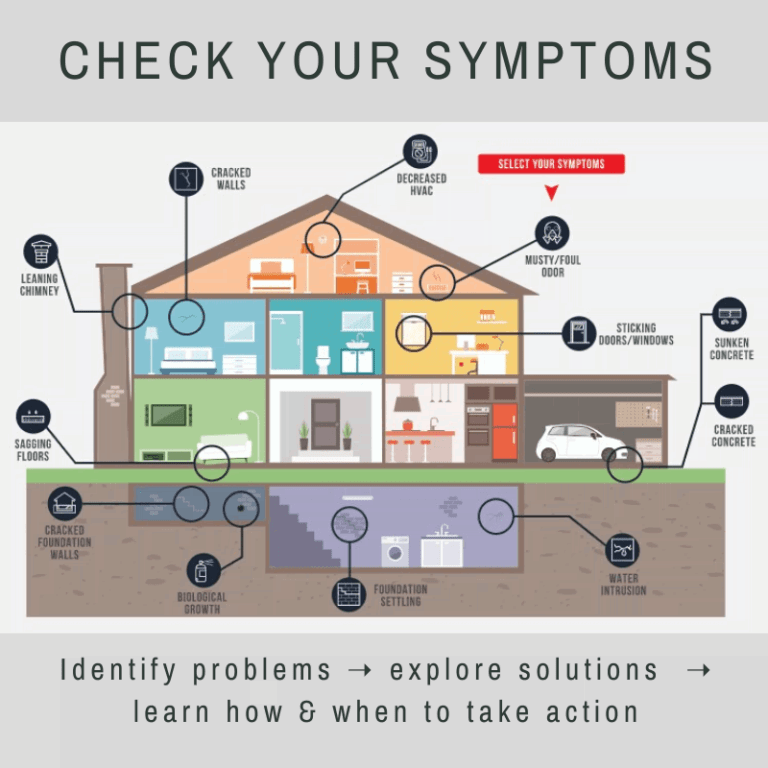
Throughout Oakville, concrete sidewalks and patios are a common part of residential properties, particularly in neighborhoods near Bee Tree Park, communities along Telegraph Road, and homes close to the Mississippi River bluffs. Over time, however, even well installed concrete can begin to crack, sink, or shift out of alignment. As moisture levels change and soil conditions fluctuate, sidewalks, patios, garage floors, and pool decks are often the first surfaces to show visible movement. Because Oakville experiences clay heavy soils, river influenced groundwater, and seasonal weather changes, these issues typically develop gradually rather than all at once.

Beyond erosion, Oakville’s soil composition plays a significant role in concrete movement. The area contains expansive clay soils that swell when moisture is present and then contract as conditions dry out. Because this cycle repeats throughout the year, concrete slabs experience ongoing stress from below. Furthermore, many sidewalks and patios were poured decades ago without modern soil preparation standards. When seasonal freeze thaw cycles are added to these conditions, the soil beneath concrete becomes even less stable, increasing the likelihood of long term settlement.
In other circumstances, the slab moves because of the ground itself. It’s possible that it wasn’t properly compacted before the concrete was poured. The extreme weather cycles in the Midwest contribute another factor. The ground floods in the spring, then dries out during a summer drought, which prompts erosion Then there’s the winter freeze-and-thaw pattern. The ground expands when it freezes, and contracts as it thaws. This fluctuation also contributes to shifts in the soil, which accelerates the settling process.
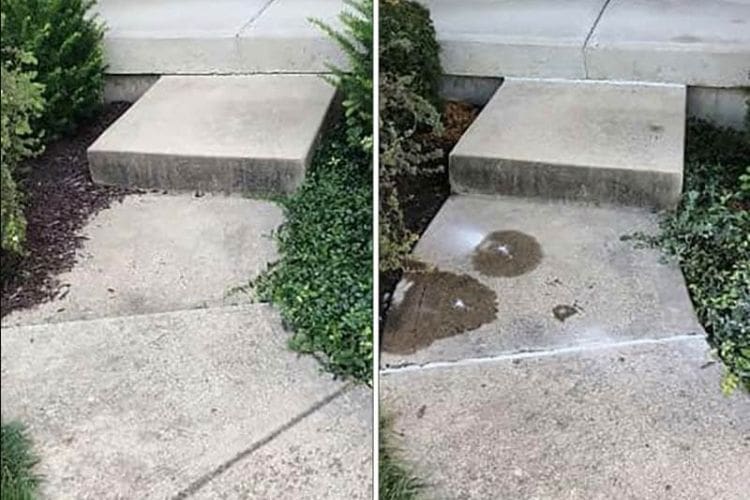
Once concrete begins to shift, it rarely settles evenly. Instead, one portion of a sidewalk or patio often drops lower than the surrounding surface. As a result, trip hazards develop near walkways, steps, and entry points. At the same time, uneven concrete can alter how water drains around the home. Rather than flowing away, moisture may collect near the foundation or crawl space. Over time, this excess water increases structural stress and can contribute to biological growth inside the home if left unaddressed.
To correct these issues effectively, slabjacking stabilizes the existing concrete instead of replacing it. For concrete sidewalk and patio repair in Oakville, MO, small access holes are drilled directly into the affected slab. Afterward, a specialized lifting material is injected beneath the surface. As this material fills voids created by erosion or soil movement, pressure builds gradually and raises the concrete back toward its original position.
Because many Oakville homes experience settlement related to clay soil behavior and fluctuating groundwater conditions, the choice of lifting material is important. While traditional mudjacking relies on a heavy cement based mixture, Acculevel uses expanding polyurethane foam. This foam reacts quickly, which allows technicians to make precise adjustments during the lift. Once cured, the foam remains lightweight yet durable, helping support the slab while reducing the likelihood of future movement.
In this video, one of our knowledgeable experts explains why we choose to perform slabjacking:
Compared to full concrete replacement, slabjacking is significantly less disruptive. Compact equipment allows crews to park in driveways or along residential streets without damaging surrounding landscaping. As work progresses, established lawns and mature yards remain intact, which is especially important in Oakville’s long established neighborhoods. Meanwhile, the drilling process creates only small access holes that are patched once lifting is complete. Without demolition, homeowners avoid excessive noise, debris, and extended construction timelines.
Because slabjacking works with the existing concrete, it is typically much more cost effective than replacement. Costs are based primarily on the size of the sidewalk or patio and the amount of void beneath the slab, which is common in Oakville’s soil conditions. Since demolition and re pouring are not required, labor and material expenses remain controlled. In contrast, replacing concrete can cost significantly more and still leave visible differences in color or texture. Ultimately, slabjacking restores stability and appearance while keeping costs manageable.


We've addressed structural settling at Doug's residence in the 63010 zip code. The project involved repairing a concrete block and pad that had separated from the main foundation due to drought. This essential maintenance, scheduled at Doug's convenience in the afternoons, aims to ensure stability and prevent future settling. The approximate cost of the project is around $4,173.
Near Arnold, MO


Addressed significant water intrusion in the crawl space of Joseph's property in zip code 62208. The existing cinder blocks showed cracks, which were the main areas of concern. Effective waterproofing measures were undertaken to prevent future water damage and enhance the structural integrity of the space. The estimated cost of this project is around $7,300.
Near Fairview Heights, IL


We installed a dehumidifier in Charles’ crawlspace in Troy, zip code 62254. This setup aims to control moisture levels effectively, ensuring a drier and healthier environment. The project, valued at about $12,500, addresses previous humidity issues and enhances overall air quality in the space.
Near Lebanon, IL


Jennie's property in the 63051 area required urgent attention due to significant mold issues caused by poor vapor barrier installation beneath the ducts. Our team recommended installing a dehumidifier, replacing the faulty vapor barrier, and performing thorough mold cleanup to address these concerns. This comprehensive project is priced at approximately $4,574 and will ensure a healthier environment by enhancing the home's moisture management.
Near House Springs, MO


I just completed a slabjacking job to stabilize a settling walkway in front of David's home in zip code 63011. The surface was intact without any visible cracks, but the uneven settling needed correction. This essential stabilization service is valued at around $2,000 and ensures the walkway remains level and safe.
Near Wildwood, MO


Curtis needed a solution for water seeping into his basement through limestone foundation walls in the 63110 area. Our team implemented effective waterproofing measures to ensure no more leakage problems. This extensive project, valued at approximately $12,000, will keep Curtis' basement secure from future water intrusions.
Near St. Louis, MO


We've focused on addressing the significant crack found in the garage's concrete slab foundation. The void beneath the front porch may also need attention, although our primary work centered around securing the garage floor. Approximately priced at $5,300, the repair is crucial to maintaining the structural integrity and preventing future issues for Marie's property in the 63021 area.
Near Manchester, MO


In Bridget's basement, we addressed a critical issue by replacing the main beam and joists. The floors above had become uneven, likely due to the compromised structure below. To restore stability, we installed new supports and ensured everything is securely reinforced. This repair was essential to restore balance and is valued at approximately $12,855.
Near St. Louis, MO


We tackled Christina's damp basement in zip code 63021 by addressing water seepage where the floor meets the wall. Our team implemented a simple yet effective waterproofing solution, ensuring water is redirected outside, preventing pooling inside the basement. The job, priced around $10,700, successfully improved the basement's dryness and usability.
Near Ellisville, MO