✕
What issue are you experiencing?
Cracks, water intrusion, crawl space moisture, settlement, etc.
Cracks, water intrusion, crawl space moisture, settlement, etc.
We Treat Your Home Like Our Own
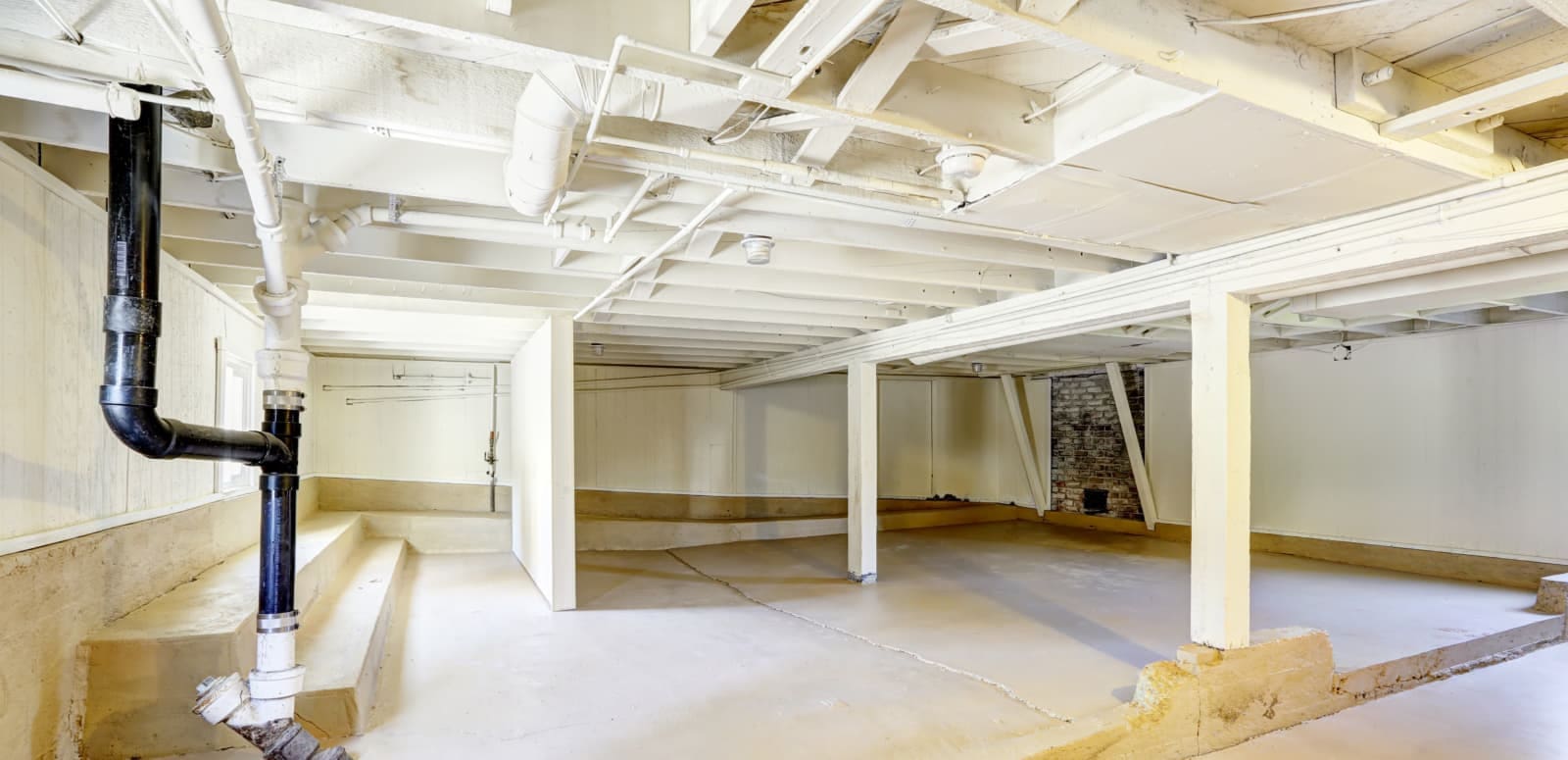




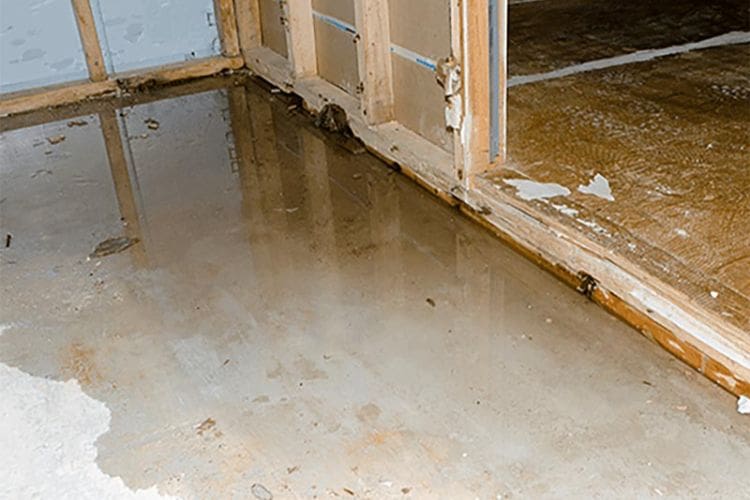
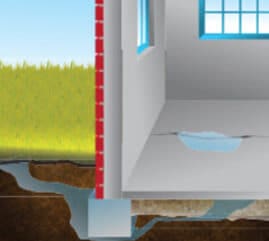
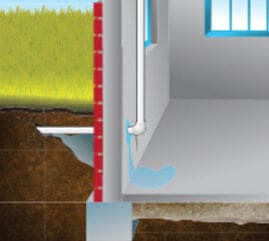
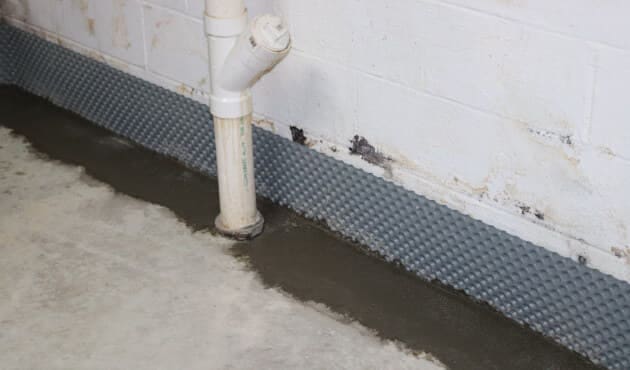
Keeping a basement from leaking in St. Louis can be challenging because clay soil and aging foundations allow moisture to collect around basement walls. When heavy rain saturates the ground, hydrostatic pressure can push water through porous concrete or masonry foundation materials. As a result, homeowners may notice water entering through basement walls or along the joint where the wall meets the floor.
Over time, soil expansion and contraction can also lead to small cracks forming in basement walls or floors. Even narrow cracks may allow water to enter the basement during storms. In many homes, these issues lead to damp basement floors, elevated humidity levels, or musty odors that suggest moisture is gradually entering the space. Identifying these warning signs early can help homeowners address basement waterproofing concerns before they develop into more significant structural or moisture related problems.
Heavy rainfall or melting snow can cause basement flooding which result in weakness in the ground beneath your foundation. Foundation sinking, bowing basement walls, and other structural damage can occur as the supporting ground softens. In the process, your’re left with an ideal environment for the growth of mold and mildew.
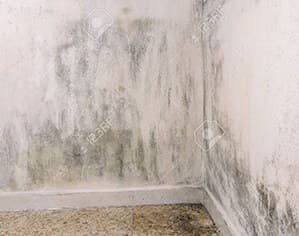
Humidity in the soil and air releases destructive water vapor, debris, contaminates, and pollen. This damp air carries mold spores and musty odors, providing the perfect environment for insects and other pests, as well as wood rot. These issues affect your home’s structure and the quality of air in your living spaces.
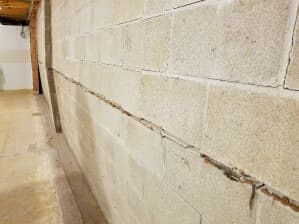
All soil can expand and contract after a heavy rain or drought. When the soil supporting your foundation changes, it can cause your home to shift. During wet weather, water saturates surrounding soil, causing it to swell and push against subterranean walls. This lateral pressure can make basement walls bulge or leak, causing a wet and smelly basement.