Reduce the risk of your crawl space or basement flooding, thanks to sump pump installation. Review our various pump types.

Homes across the north Columbus region can deal with rain, melting snow, clay soil, and drainage issues, making sump pump installation in Westerville essential. Since the area reaches parts of Franklin County and Delaware County, soil and yard drainage can vary from one property to the next. Water can show up fast when your basement or crawl space does not have the right drainage plan.
You do not have to figure out the cause alone. Our inspection team can look at your sump basin, basement, crawl space, discharge line, foundation edges, and current pump system. Then we explain what is happening and what type of pump setup may fit your home.

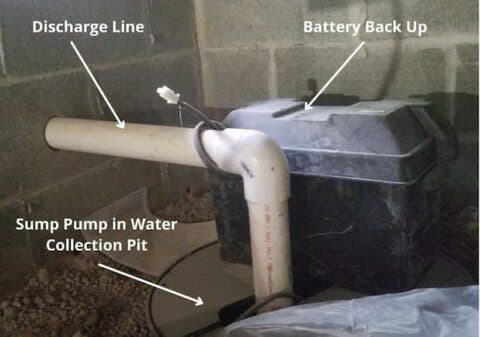
Not every water problem needs the same pump. Some homes take on water during heavy rain. Others have crawl space moisture, high groundwater, or a pump that runs too often. The right system depends on where the water enters and how much water needs to leave.
A sump pump gives water a place to collect before it spreads. Once water reaches the basin, the pump sends it away from the home. This can help lower damp smells, reduce puddles, and make your basement or crawl space easier to use.
Sump pump installation in Westerville, Ohio, may be worth considering if your current pump is old, noisy, slow, or working harder than it should. Acculevel in Westerville can help you compare your options and understand whether your home needs a new pump, better drainage, or backup support.
Water under your home usually starts with a source. It may come from yard grading, floor seams, foundation cracks, crawl space soil, or a drainage system that is no longer keeping up. Watch the video below to learn more about our waterproofing and foundation solutions. More specifically, how sump pumps work and why water collects near homes. You can also see when sump pump installation in Westerville may help your basement or crawl space stay drier.
A residential sump pump helps remove water that collects in the sump basin. This can be useful if your basement gets damp after storms or your crawl space holds moisture during wet seasons.
If your current pump cannot keep up, we can explain what may be going wrong. Your home may need a stronger pump, a different basin setup, or drainage that helps guide water to the pump.
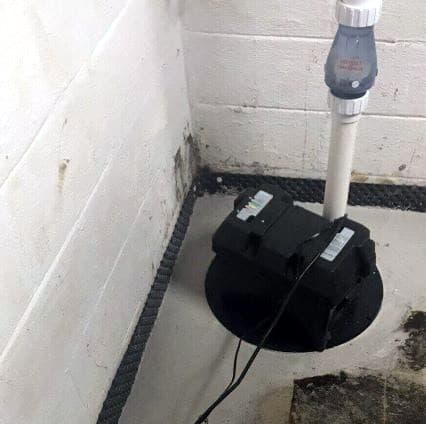
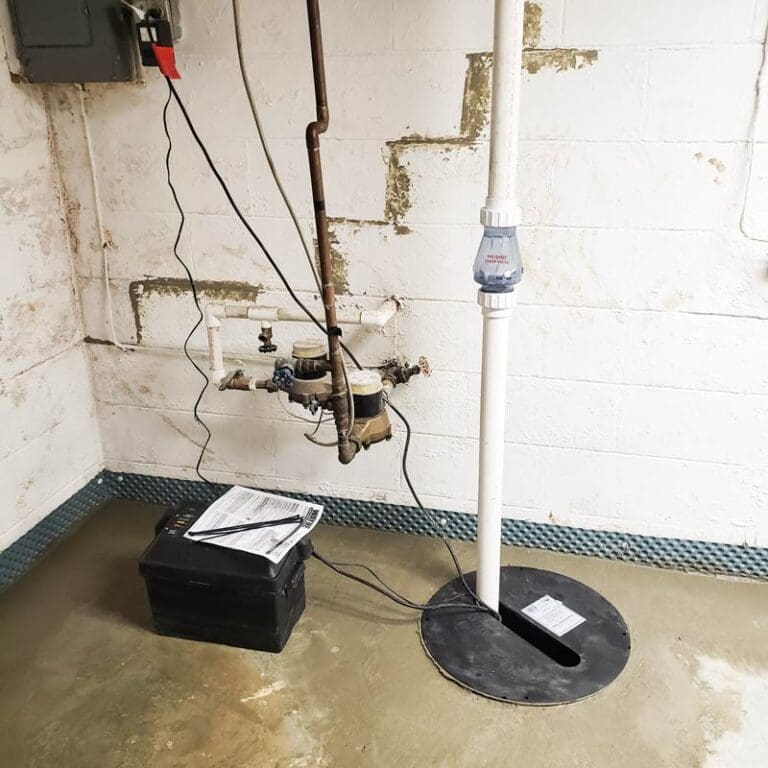
A battery sump pump gives your system backup power when the main pump cannot run. This matters because storms can bring heavy water and power problems at the same time.
This sump pump option can be helpful if your pump runs often or if your basement or crawl space has had water before. It can also give you more confidence when storms move through central Ohio.
There are properties that need more pumping power than one system can provide. A dual pump helps when heavy rain, melting snow, or groundwater sends water into the basin faster than one pump can remove it.
If one pump is working too hard, a dual setup may be the better fit. Our inspection specialists can review your home or business and explain whether more pumping power makes sense.