Uneven concrete rarely improves with time. Discover what causes settlement and what options are available.
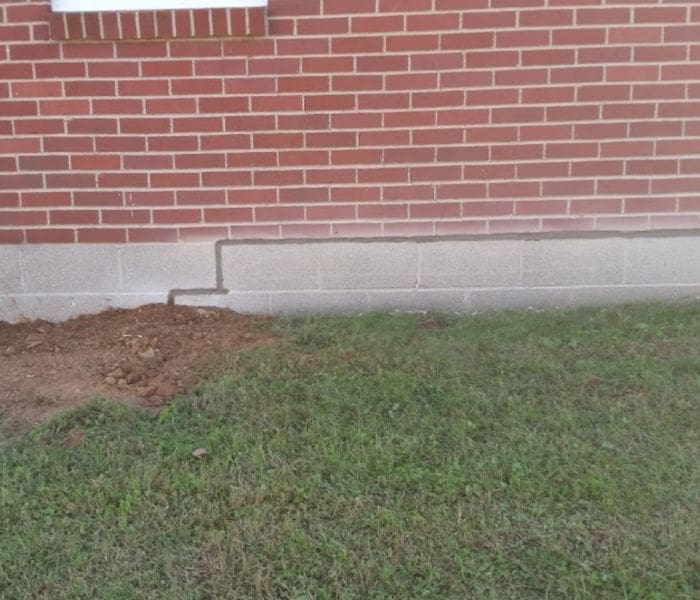
Walking across a slab should feel smooth, not like you're navigating bumps and dips. Concrete leveling in Waunakee is a practical way to correct settled concrete without tearing everything out and starting over. If you've noticed sinking sections around your property, there is often a faster option than replacement.
Our team brings more than 30 years of experience to every inspection and repair. We take time to explain what caused the settlement and discuss solutions that fit your situation. You'll receive straightforward answers, and service focused on getting results.


Concrete doesn't have to be severely damaged before it deserves attention. Settlement often begins gradually, then becomes easier to notice as time passes and the slab continues moving.
A sunken slab often affects more than appearance alone. Correcting those changes may improve safety, drainage, and everyday use of the space. Schedule an inspection today to find out what is causing movement in your foundation or concrete surface.
Cracks, sinking concrete, and uneven surfaces often indicate soil changes beneath the slab. Our concrete leveling in Waunakee, Wisconsin, focuses on restoring support beneath the concrete rather than replacing the entire section. Through slabjacking and other proven repair solutions, we lift settled areas and improve stability. Watch the video to see how concrete repair works and why so many slabs can be restored instead of replaced.
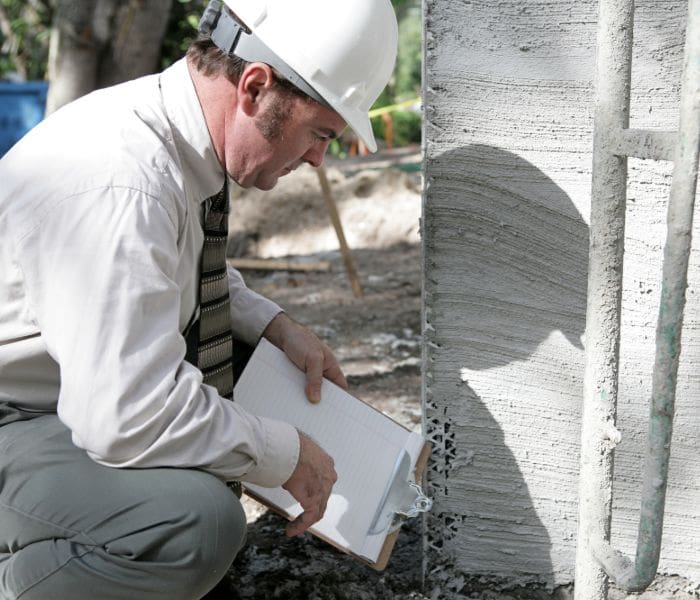
Concrete settles when the soil beneath it shifts, washes away, or compresses over time. What starts as a small dip may become a larger issue that affects appearance, drainage, and everyday use. Leveling restores support beneath the slab and helps bring surfaces back to a more even position.
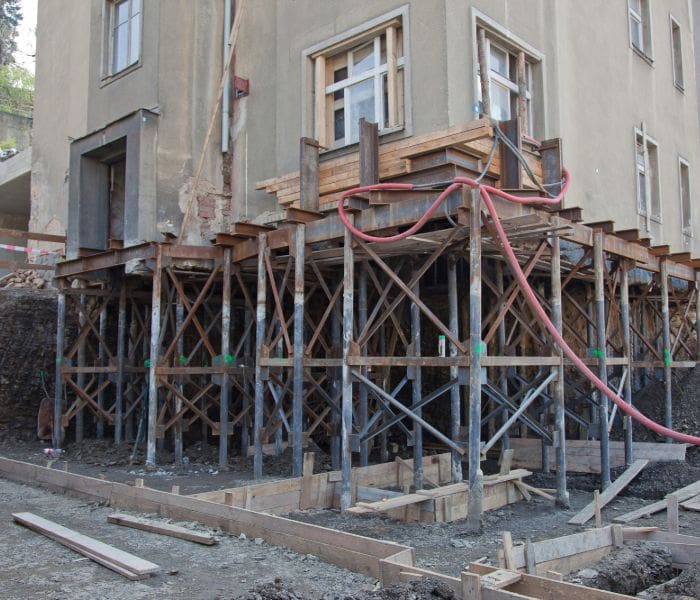
Your foundation rests on soil that supports the weight of the structure every day. When that support changes, portions of the slab may settle unevenly. You might notice cracks, floor changes, or gaps developing around certain areas. Identifying the cause early provides a clearer path toward correcting the problem.
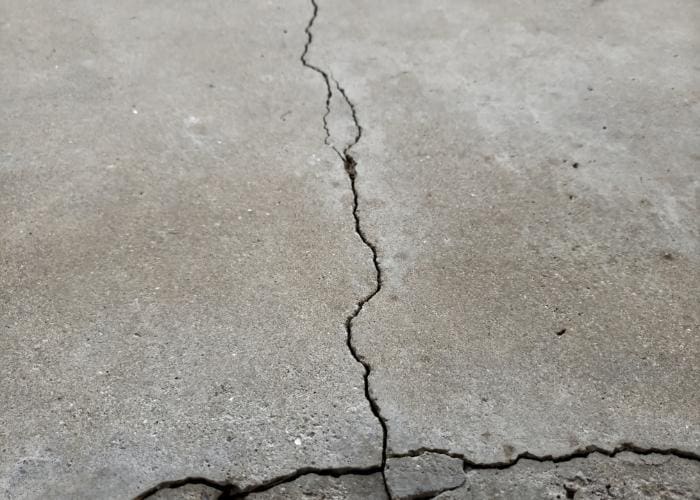
Driveways and garage floors handle constant vehicle weight, changing temperatures, and soil movement below. If you notice low spots, cracks, or uneven transitions, settlement may be occurring beneath the slab. Restoring the surface through concrete leveling in Waunkaee improves appearance and creates a smoother experience each time you pull in or out.
A patio or sidewalk should be easy to enjoy and navigate. When concrete shifts, you may notice pooling water, uneven sections, or surfaces that no longer line up properly. Leveling restores a more consistent surface and helps improve the overall usability of those outdoor areas.
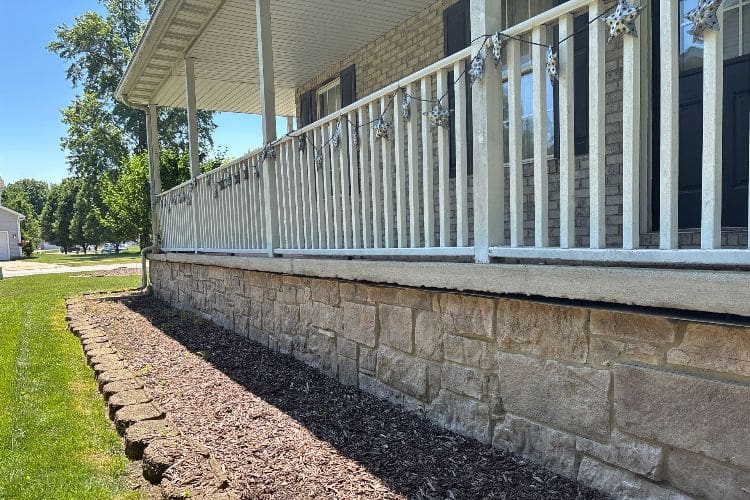
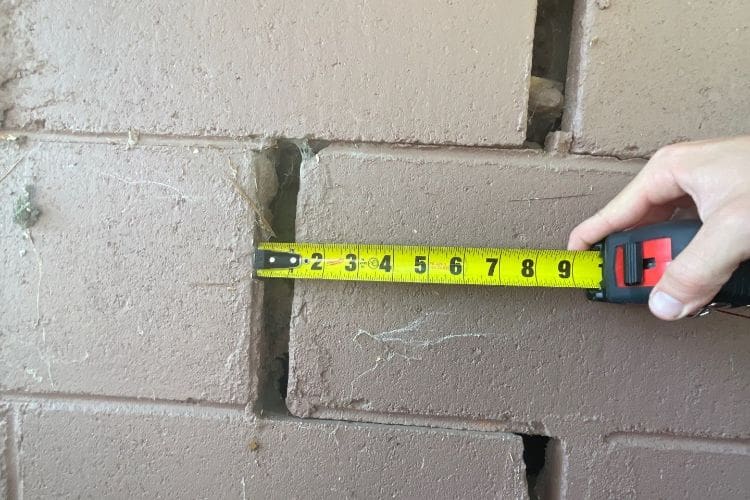
Not every concrete problem requires tearing out the slab. Depending on the amount of settlement and the overall condition of the concrete, lifting the slab may be a practical alternative. During an inspection, we'll evaluate the situation, explain what caused the movement, and discuss the repair options available to you.
Slabjacking is a method for concrete leveling in Waunakee that involves placing material beneath settled concrete to fill voids and restore support. Small access holes are created in the slab, allowing the material to reach areas where soil has shifted or eroded. As support returns below the concrete, the slab gradually rises toward its original position. This approach often provides a faster and less disruptive alternative to replacement.
Completing the form is the first step toward understanding what is happening beneath your concrete. Once we receive your information, a member of our team will contact you to discuss the areas that concern you and arrange a convenient inspection time. You can also call or email if that is more convenient for your schedule.
During the visit, Acculevel of Waunakee will evaluate the concrete, look for signs of settlement, and determine the possible causes of the movement. We will explain our findings in straightforward language, answer your questions, and discuss available repair options. By the end of the inspection, you'll have a much clearer understanding of the situation.