Uneven slabs can affect both safety and property value. Find out what causes settlement and how it can be corrected.
Uneven concrete can make everyday tasks more frustrating than they need to be. If you're noticing sinking slabs around your property, concrete leveling in South Bend may help restore smoother, safer surfaces without the hassle of full replacement.
Every property is different, which is why we take time to understand what's causing the settlement before recommending a repair. Our team has more than 30 years of experience helping customers improve the condition of their concrete while providing friendly service and clear communication throughout the project.

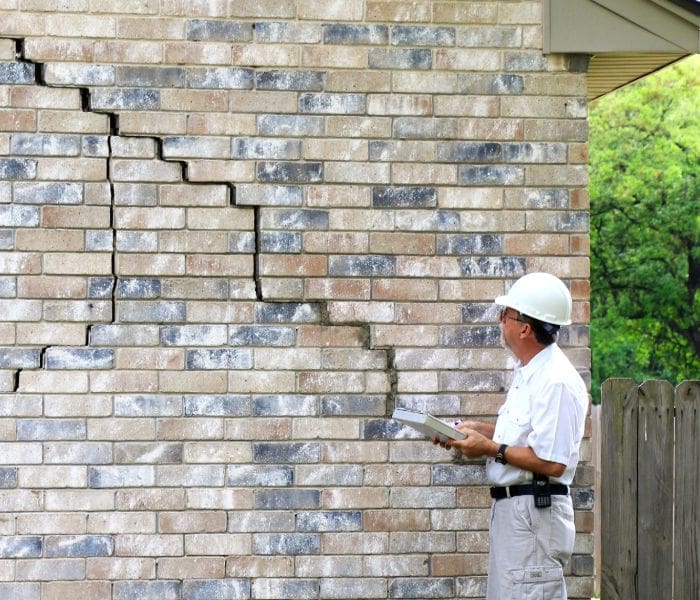
A small amount of movement beneath a slab can eventually lead to noticeable changes above ground. As support shifts, concrete surfaces can become uneven, creating both safety and appearance issues around your property.
These issues rarely improve on their own and can become more difficult to address over time. Having your concrete inspected can help identify the cause of the settlement and determine whether concrete leveling in South Bend, Indiana, is the right solution. Call today to schedule a free inspection and learn more about your options.
Concrete settlement often begins when the ground beneath a slab can no longer provide consistent support. As sections sink, you may notice cracks, uneven surfaces, and areas where water collects. We lift and stabilize settled concrete to improve safety and appearance. Watch the video from Acculevel in South Bend below to see how slabjacking works and learn how concrete leveling can help restore the surfaces you use every day.
Concrete doesn't have to be badly damaged to cause problems. When a slab begins to sink, it can create trip hazards, drainage issues, and extra wear on nearby concrete.
Fixing the settlement early can help improve safety, restore appearance, and keep small concerns from becoming larger repair projects.
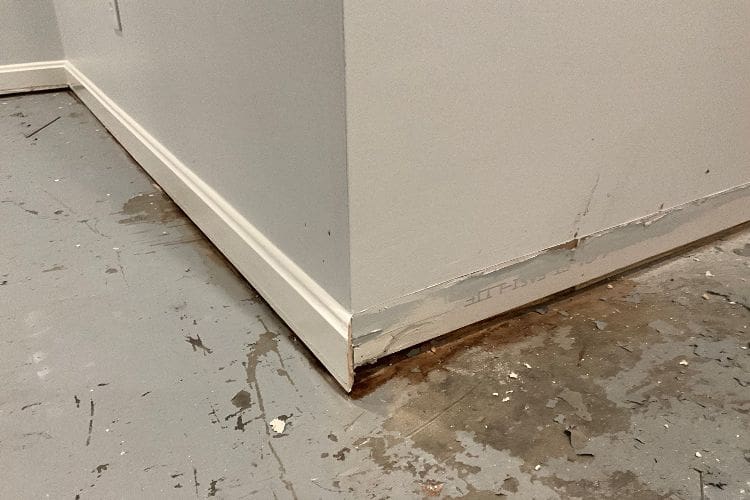
If your home is built on a slab foundation, changes beneath the concrete can affect what you notice inside. You may see cracks, uneven flooring, or gaps that weren't there before. Understanding what's causing the movement can help you decide whether structural repairs are needed to improve support beneath the slab.
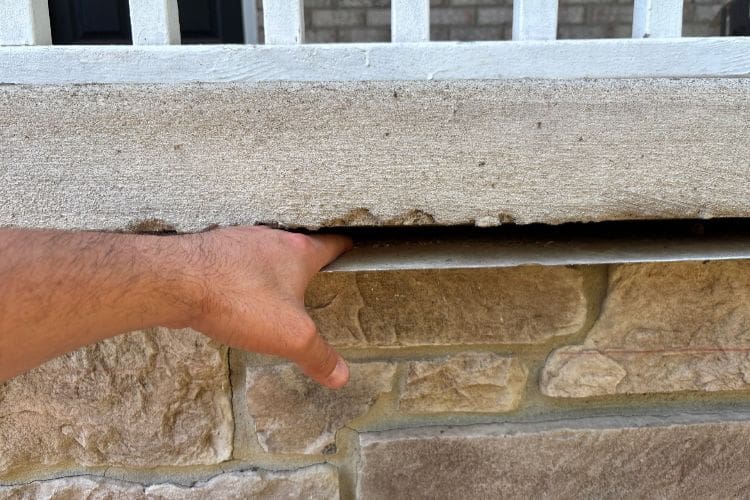
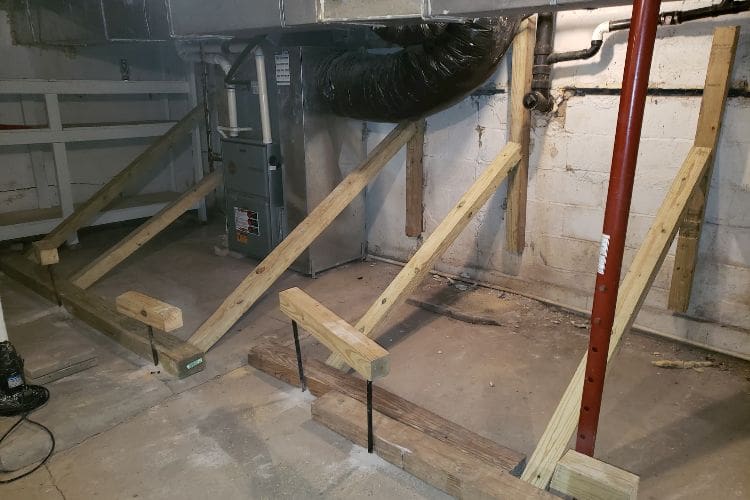
You rely on your driveway and garage every day, so uneven concrete can quickly become an annoyance. Sunken sections can create rough transitions, standing water, and an overall worn appearance. Leveling the concrete can help make these spaces easier to use while improving the look of your property.
Settled sidewalks and patios can make outdoor areas less enjoyable. Uneven slabs can become tripping hazards and create surfaces that are difficult to walk across comfortably. Our concrete leveling in South Bend helps restores a level surface, so you can enjoy the spaces surrounding your home more.
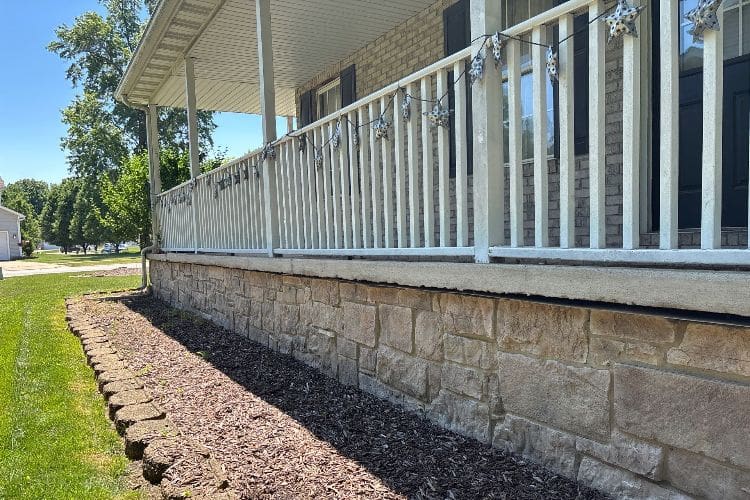
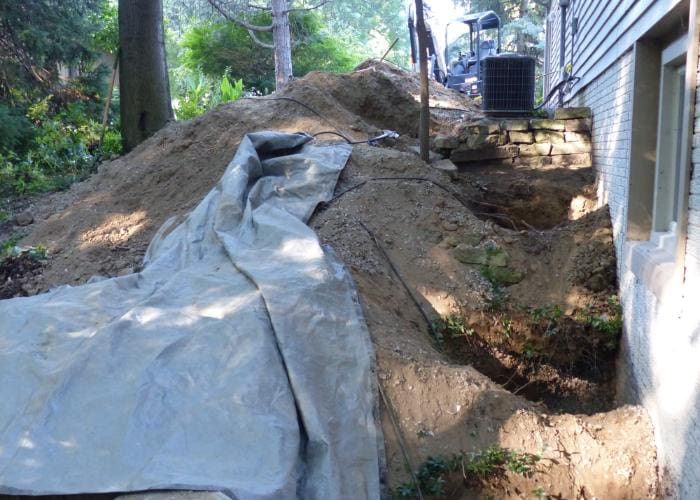
If your concrete has settled, replacement may not be the only option available. Depending on the condition of the slab, lifting and stabilizing the existing concrete may provide an effective solution. During an inspection, we'll evaluate the affected areas, explain what caused the settlement, and help you understand which repair options may be the best fit for your property.
Slabjacking is a repair option designed to lift sunken concrete by filling empty spaces beneath the slab. Small openings are created in the concrete, allowing material to be placed below the surface where support has been lost. As those spaces are filled, the slab gradually rises. Concrete leveling in South Bend improves safety, appearance, and usability while allowing you to keep the existing concrete in place.
Uneven concrete can be frustrating, but the cause is not always obvious from the surface. An inspection gives you an opportunity to learn what's happening beneath the slab and whether concrete leveling can correct the problem. We'll examine the affected areas, look for signs of settlement, and explain what may have contributed to the movement so you have a clearer understanding of the situation.
Completing the form is the first step toward getting answers. Once we receive your information, we'll contact you to schedule a convenient appointment and discuss what to expect during the visit. You'll have time to ask questions, review potential repair options, and gather the information you need before making any decisions about your property.