Small structural clues often point to a bigger story. Discover what's happening beneath the surface.
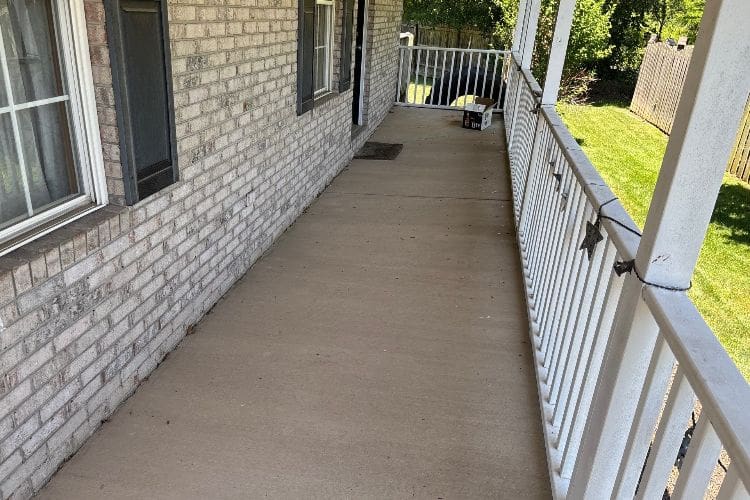
Small changes have a way of becoming impossible to ignore. A floor feels different underfoot, a window sticks, or a crack appears where there wasn't one before. House foundation repair in Peoria, IL focuses on identifying and correcting the structural issues responsible for those changes. Understanding the cause is the first step toward fixing it.
You'll work with contractors who value communication just as much as quality workmanship. We explain our findings clearly, answer questions thoroughly, and help you understand every available option. Our goal is to provide information that makes sense, not create confusion.

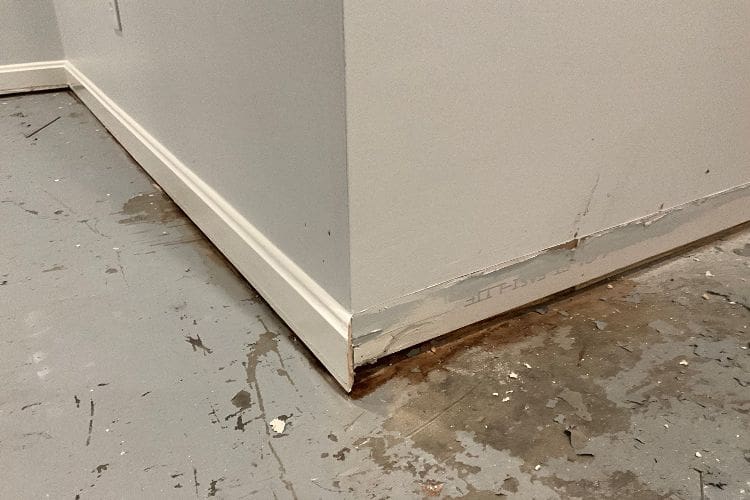
The signs of foundation movement often look similar, but the causes may be very different. That's why the inspection plays such an important role in determining the right solution.
Choosing the right house foundation repair in Peoria starts with understanding the problem. If you've noticed changes around the house, now is a great time to find out what's causing them. Contact us to schedule your inspection today.
A settling foundation often affects more than the area where the movement began. Over time, you may notice changes in walls, floors, windows, and other structural components. Our services address those concerns at their source and provide support where it's needed most. View the video below to learn more about why house foundation repair in Peoria matters.
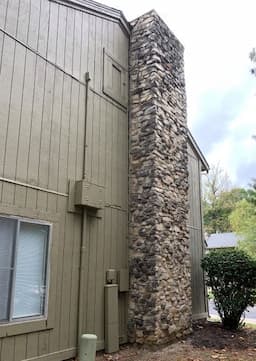
A chimney that appears tilted or separated from the structure is often telling you something important. What looks like a chimney problem may be connected to subsurface settlement.
You shouldn't have to guess whether the movement is cosmetic or structural. During the inspection, we'll examine the chimney's condition, look for signs of settlement, and explain what's causing the shift. Understanding the source of the problem is the first step toward correcting it with our many options for house foundation repair in Peoria, IL.
The right repair depends on why the chimney moved in the first place. Soil conditions, settlement patterns, and structural loads all influence the recommendation.
After evaluating the chimney and surrounding conditions, Acculevel of Peoria discusses the available repair options with you. Our goal is to recommend the repair that best addresses the cause of the movement while fitting the needs of your property.
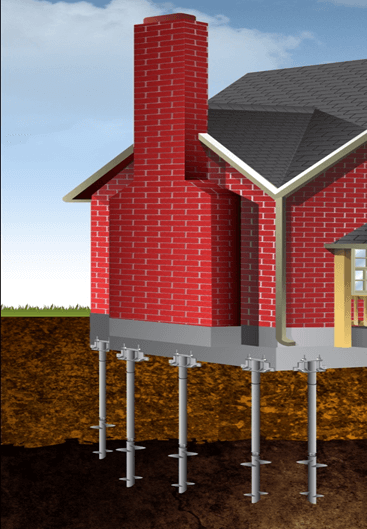
Helical piers are engineered steel supports that create deeper structural support beneath settling areas. They are installed below grade and designed to reach soils capable of carrying structural loads more effectively.
If chimney settlement is tied to inadequate support beneath the structure, helical piers may be used to improve stability. We'll explain exactly why they're being recommended and how they may address the conditions found during the inspection.

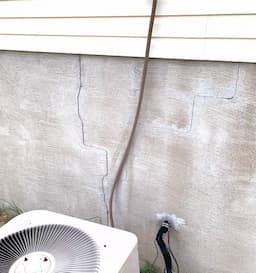
Foundation settling often begins subtly. A crack appears. A floor feels different. A doorway no longer closes quite right. Those small changes often point to movement happening below the structure.
You deserve to know whether those signs are minor concerns or indicators of something larger. An inspection allows us to evaluate the foundation and provide clear information about what's occurring beneath the house.
Settlement repair starts with gathering information. We evaluate the foundation, identify movement patterns, and determine what's contributing to the issue.
Once the inspection is complete, we'll review the repair options available and explain which solution fits your property's specific needs. Every recommendation is based on observed conditions and structural requirements.
When a foundation settles, additional support is often needed below the affected area. Helical piers provide that support by extending into deeper soils that can carry structural loads more consistently.
Rather than focusing only on the visible symptoms above ground, helical piers address conditions beneath the foundation itself. If settlement is affecting your property, these systems may become an important part of the structural repair strategy. We'll explain their purpose, installation, and expected role in the stabilization effort during your inspection.