Foundation crack repair in Omaha, NE helps protect your home from worsening structural damage. Because Omaha's loess soils, expansive clay, and changing moisture levels cause the ground to expand and contract throughout the year, foundation cracks can grow over time. Addressing cracks early helps protect your foundation, reduce water intrusion, and prevent more costly repairs later.
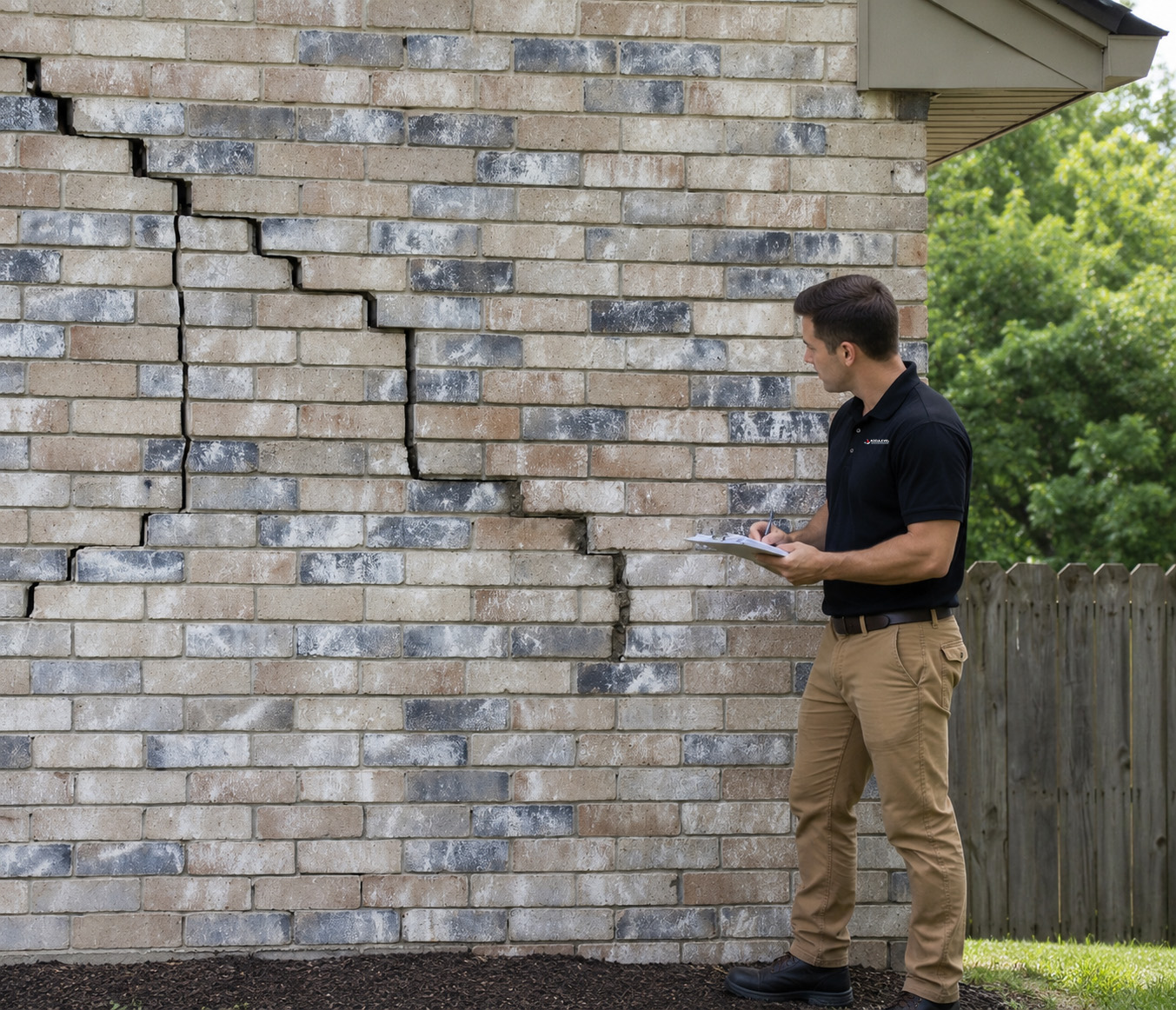
Foundation crack repair in Omaha starts with understanding what caused the damage. Because Omaha sits along the Missouri River bluffs, homes are built on a mix of loess soils, expansive silty clay, and filled ravines. As these soils expand during wet weather and shrink during dry periods, they place constant pressure on foundation walls.
Older neighborhoods like Dundee, Midtown, Benson, and Aksarben often experience additional settlement because portions of the city were built over regraded terrain. Consequently, no two foundation cracks are exactly alike.
At Acculevel, every repair begins with a detailed inspection. Our team evaluates the crack, the surrounding soil conditions, and your home's structural movement before recommending a solution. As a result, you'll receive repairs designed specifically for your property instead of a one-size-fits-all approach.
Whether your home has a stone foundation in Dundee, poured concrete walls in Millard, or a block foundation in Benson, our experienced inspectors provide honest recommendations based on what your home actually needs.

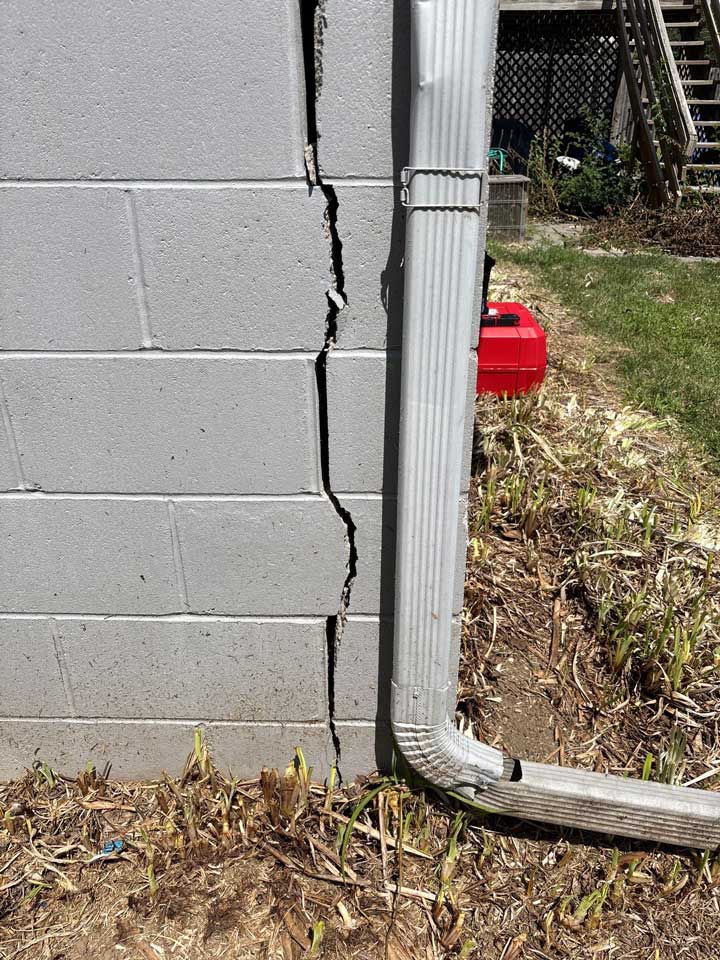
Foundation cracks rarely get better on their own. In Omaha, changing moisture levels, expansive clay, and loess soils can cause small cracks to grow over time. Whether you live near Dundee, Benson, Aksarben, or along Dodge Street, it's normal to wonder if the damage is getting worse after every heavy rain or freezing winter.
A professional inspection replaces uncertainty with clear answers. Instead of guessing, you'll understand what's causing the crack and whether repairs are actually needed.
Not every foundation crack points to a serious structural problem. Some are cosmetic, while others indicate movement beneath your home. Watch the video to learn what causes foundation cracks, how Omaha's soil conditions contribute to them, and which repair options may be right for your home.
Not every foundation crack is wide or dramatic. Sometimes it's a thin line stretching across a basement wall. Other times, it's a crack that seems a little longer after every season. You may even notice a door sticking or a floor that doesn't feel quite as level as it once did.
Those small changes often leave homeowners wondering if they're seeing normal settling or the beginning of something more serious.
In Omaha, foundation cracks frequently develop because the area's loess soils and expansive clay respond to changing moisture levels throughout the year. Heavy spring rains, summer drought, and freeze-thaw cycles all place stress on foundations across neighborhoods like Dundee, Benson, Aksarben, and Millard. Foundation crack repair in Omaha helps identify what's causing the movement and provides solutions before additional structural damage develops. Understanding the cause today is often easier—and far less stressful—than waiting to see what happens next.
When people hear "foundation repair," they often picture bulky steel supports taking over their basement. Fortunately, that's not always the case.
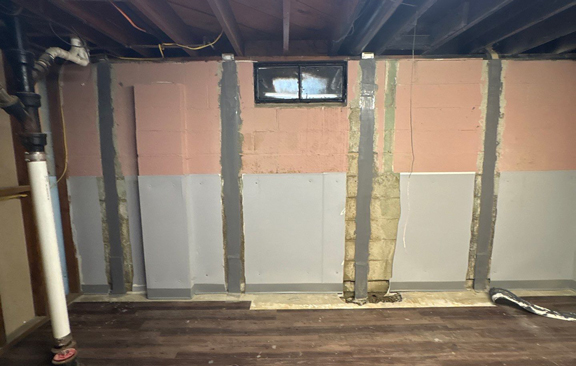
Carbon fiber reinforcement is designed for foundation walls that have begun showing minor movement or cracking but do not require more extensive structural repairs. The high-strength straps bond directly to the wall, helping resist additional movement while maintaining a slim profile.
Because the system sits nearly flush against the wall, you keep the usable space in your basement. That's especially valuable in Omaha homes where finished lower levels are used as family rooms, offices, workout spaces, or extra storage.
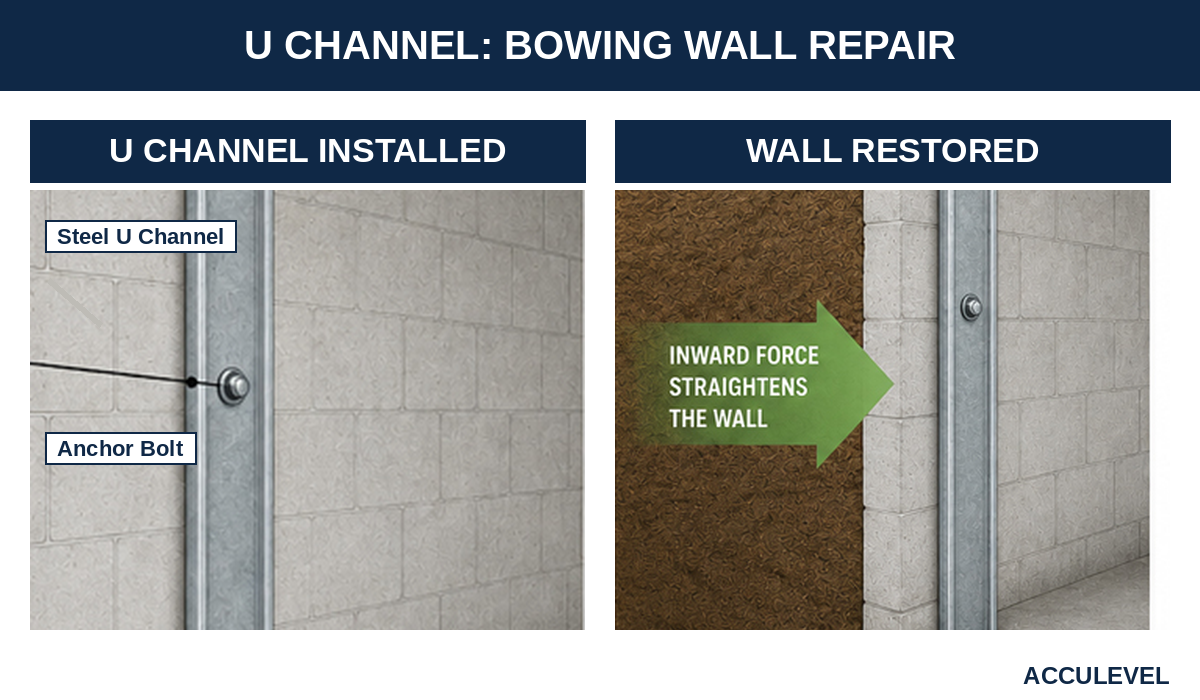
Many homeowners focus on the crack they can see. However, the pressure causing that crack usually begins outside the foundation.
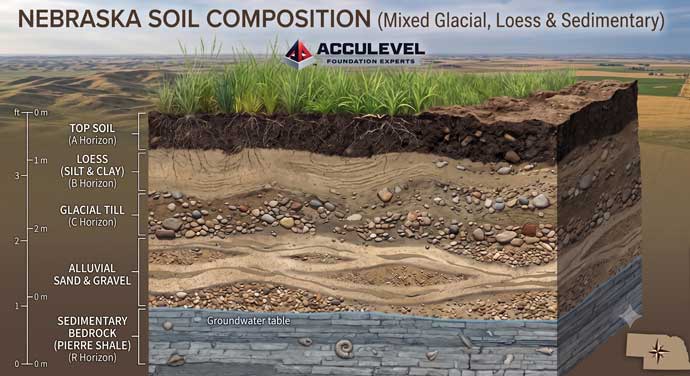
Omaha's expansive clay soils absorb moisture during wet weather and shrink during dry conditions. Meanwhile, loess deposits common throughout Douglas County can shift over time as moisture levels change. Together, these soil conditions place repeated pressure against basement walls season after season.
When that pressure causes walls to lean or bow inward, wall anchors may become part of the recommended repair plan. Installed into stable soil beyond the active movement zone, they help counteract outside pressure while improving the wall's long-term stability.
Not every crack can be addressed with the same repair method. In some situations, foundation movement has progressed beyond the point where lighter reinforcement is the best option.
When walls have shifted significantly, tie back systems provide deeper structural stabilization by anchoring into undisturbed soil beyond the area affected by Omaha's changing moisture conditions. These systems are often recommended for homes experiencing substantial inward wall movement or ongoing pressure from expansive soils.
For many homeowners, the biggest relief comes from learning that there is a proven solution. While foundation damage can seem overwhelming at first, a professional inspection helps determine exactly what's happening and identifies the repair approach that best fits your home's condition. That way, you can move forward with confidence instead of uncertainty.

A free inspection is the simplest and most reliable step you can take toward understanding your Omaha foundation. Our inspectors will evaluate your basement walls thoroughly, explain exactly what they find in plain language, and walk you through any repair options that apply — with no sales pressure and zero obligation to proceed.