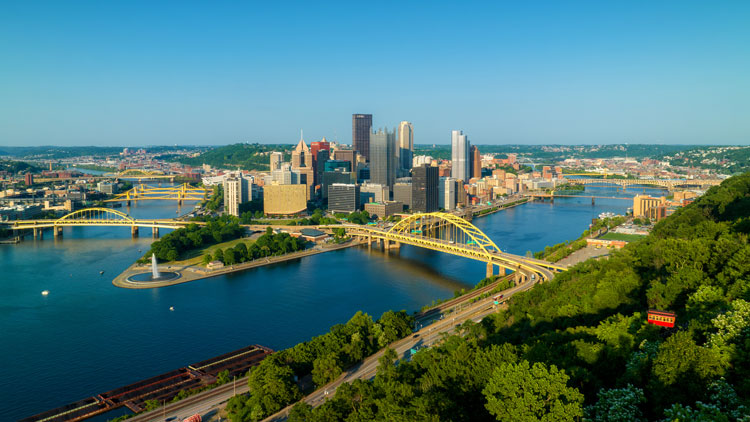
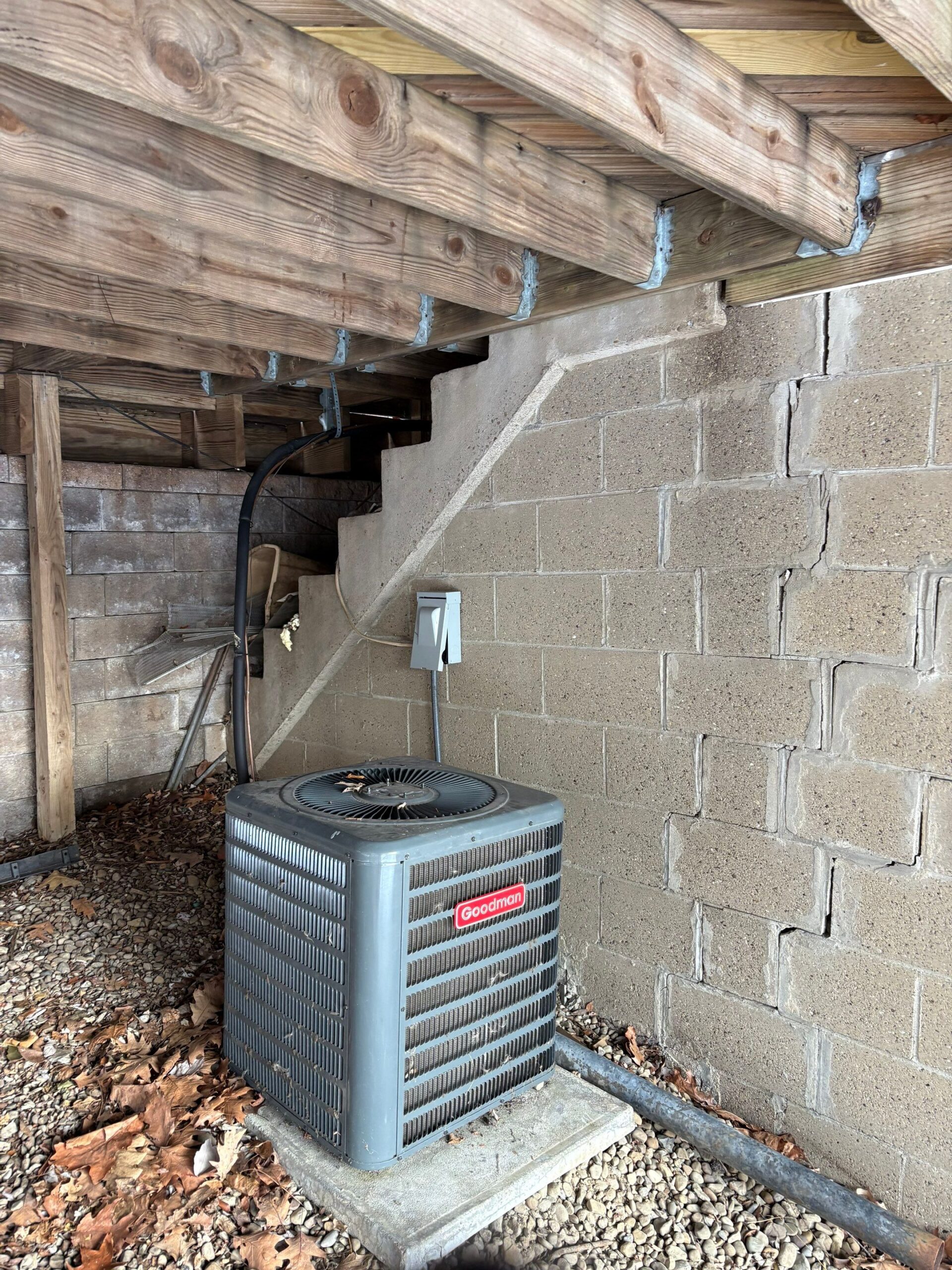
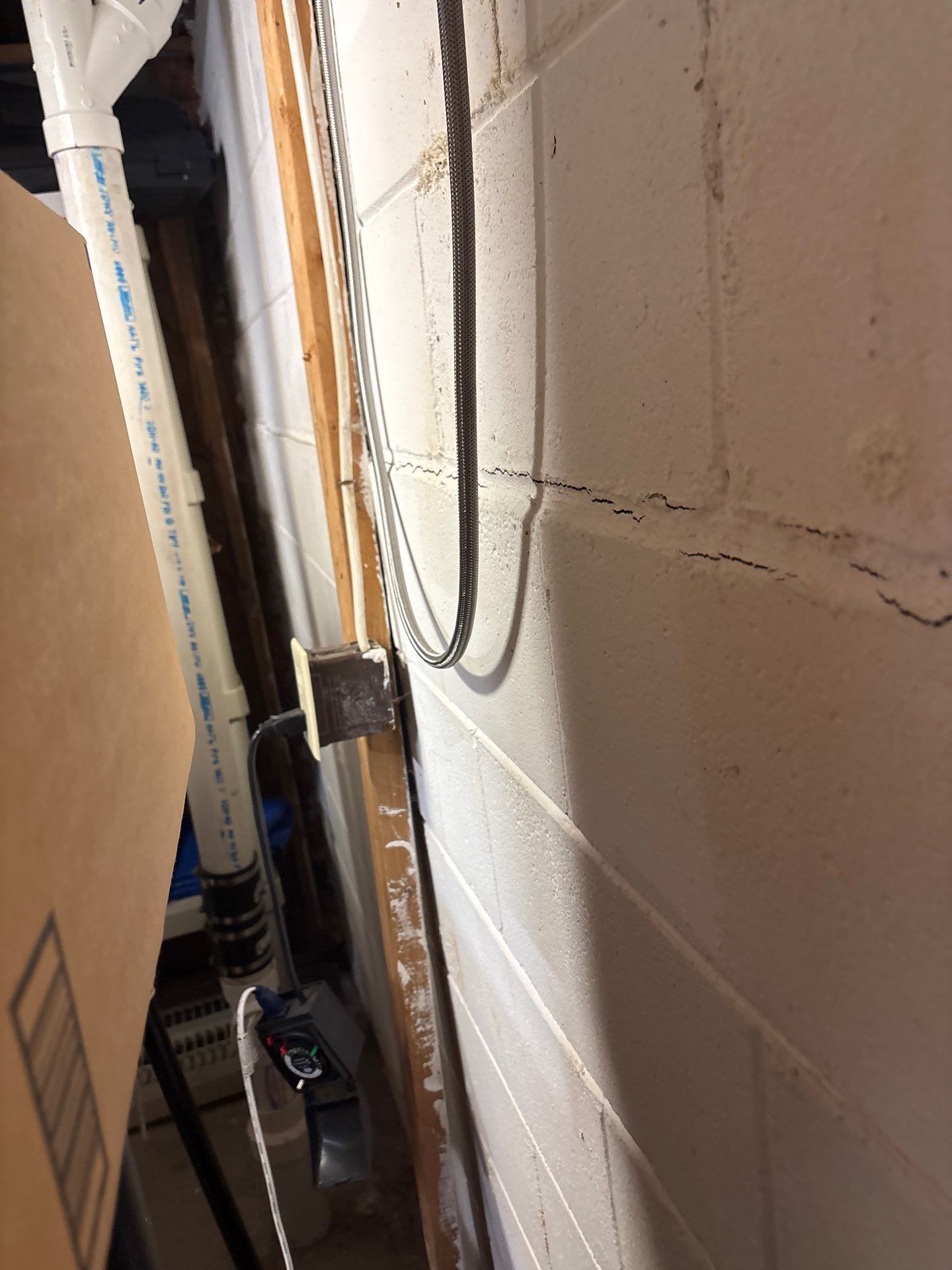
Downtown Pittsburgh receives more annual rainfall than most cities in the region, and at the confluence of three rivers that precipitation creates crawl space moisture conditions that come from the soil and the water table itself as much as from direct water entry. Older row buildings and converted structures throughout the Strip District, the riverfront corridors, and the edges of the Central Business District sit above crawl spaces and shallow below-grade voids where groundwater and ground moisture accumulate from the high, river-fed water table and evaporate steadily into the floor system above. Even where the terrain is flat, downtown Pittsburgh's soft alluvial and fill soils hold water against structural components for extended periods after rain events. Research shows that up to half of a building's indoor air can originate from below-floor spaces, making crawl space conditions a direct factor in comfort and air quality throughout downtown Pittsburgh properties.
- Controls moisture vapor rising from downtown Pittsburgh's river-fed water table and saturated fill soils
- Reduces wood rot risk in floor systems exposed to consistent below-grade humidity
- Helps prevent mold in crawl spaces that stay damp through Pittsburgh's long wet season
- Discourages pests from nesting beneath buildings where moisture creates hospitable conditions
- Supports steadier indoor temperatures by limiting humidity transfer through the floor system
Downtown Pittsburgh property owners who encapsulate their crawl spaces consistently notice the difference working its way upward through the building. Floors feel more reliable, musty odors stop reaching occupied areas, and the structure beneath is finally protected from the moisture that downtown's river-valley setting and rainfall deliver year after year.