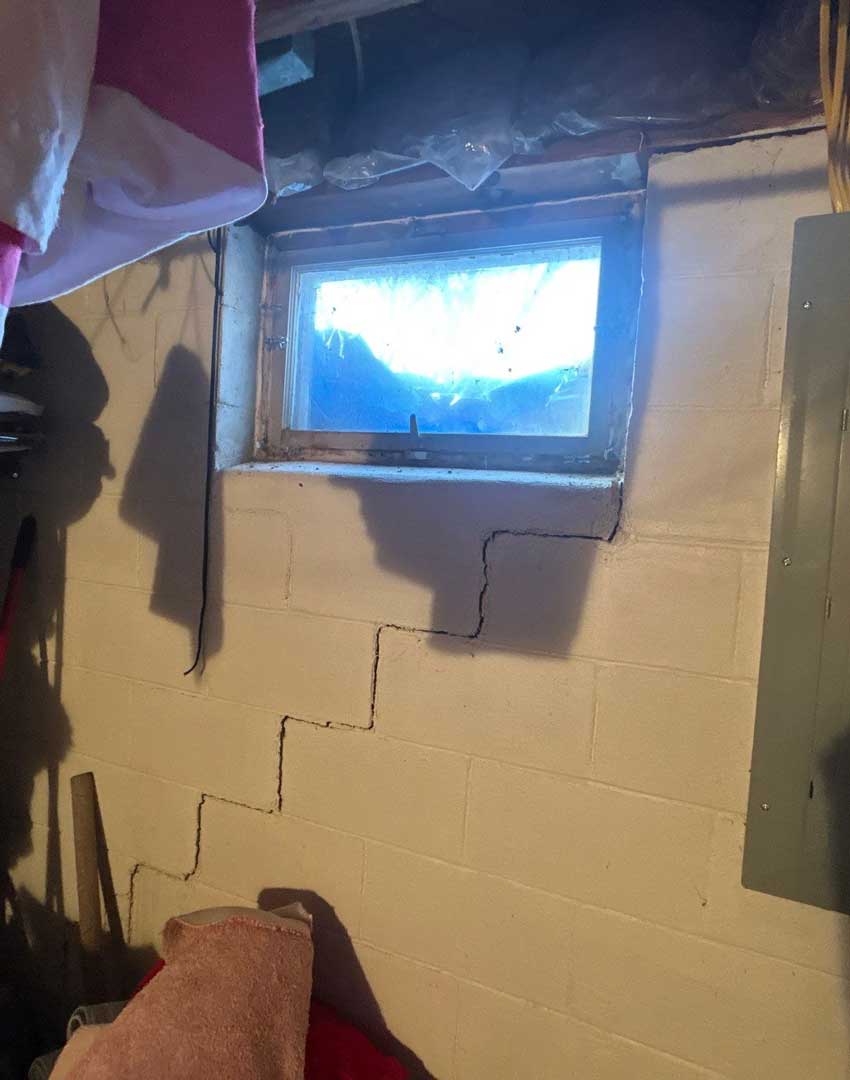
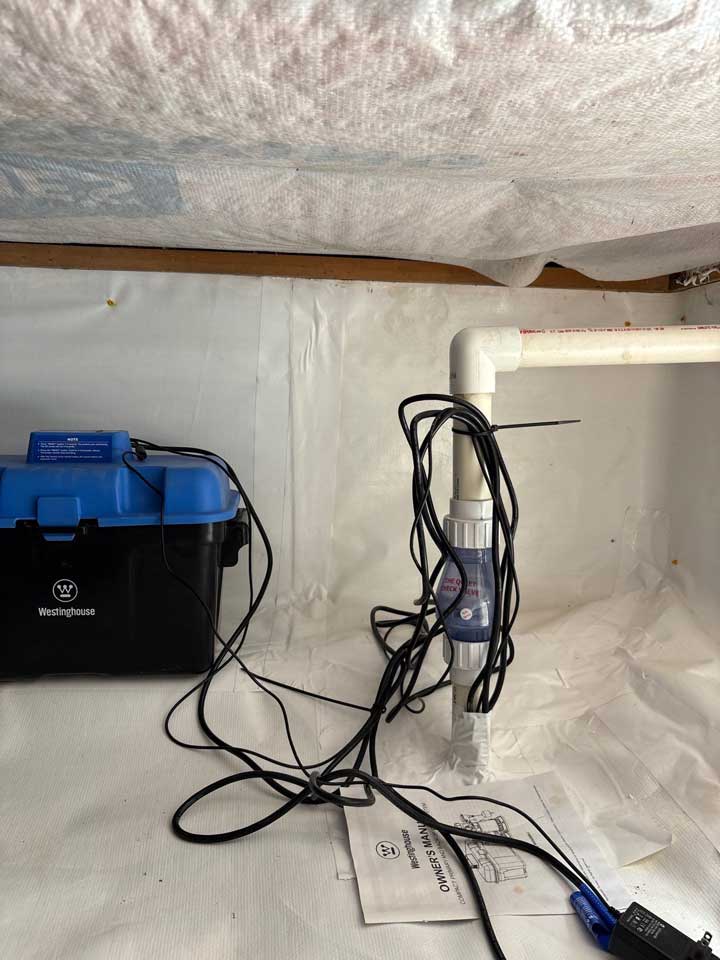
Lincoln's clay and loess soils stay moist for extended periods following the area's spring rainfall, and that ground moisture evaporates steadily into crawl spaces that sit above it without any barrier in place. The process is quiet and invisible, but its effects accumulate in floor joists, insulation, and the air that rises into living spaces above. Research shows that up to half of a home's indoor air can originate from the crawl space, which means the soil conditions beneath Lincoln homes are contributing directly to indoor humidity levels, odors, and structural wear throughout Lancaster County. Neighborhoods across Lincoln from Havelock to Southwest Lincoln deal with these conditions on a seasonal basis.
- Controls moisture vapor rising from Nebraska's clay and loess soil beneath crawl spaces
- Reduces wood rot risk in floor joists and structural supports above unprotected ground
- Helps prevent mold in crawl spaces that stay humid through Lincoln's wet spring season
- Supports more consistent indoor temperatures by limiting humidity transfer through floors
- Reduces demand on HVAC systems compensating for moisture rising from below
When Lincoln crawl spaces are properly encapsulated, the improvement reaches every room above the floor. Air quality improves noticeably, floors feel more solid underfoot, and the structural components beneath the home are protected from the moisture cycle that Nebraska's climate produces year after year.