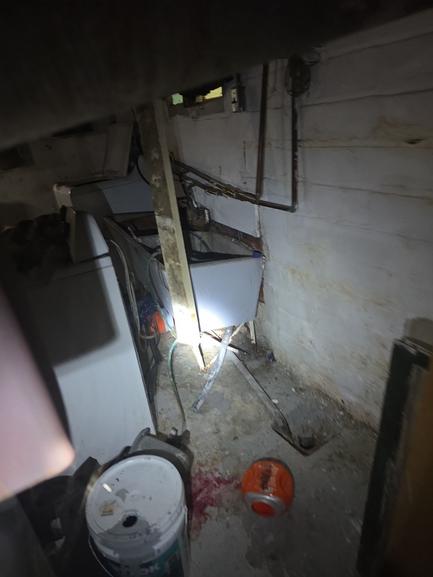
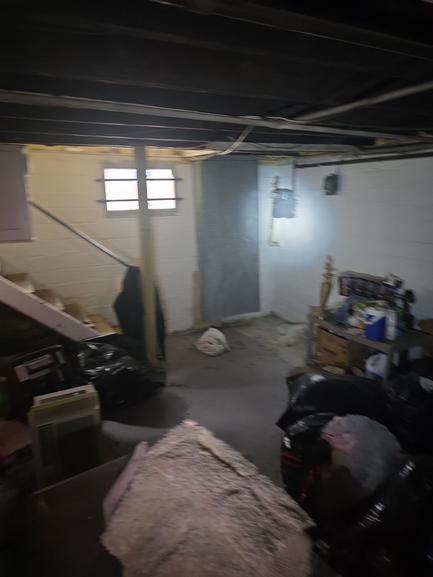
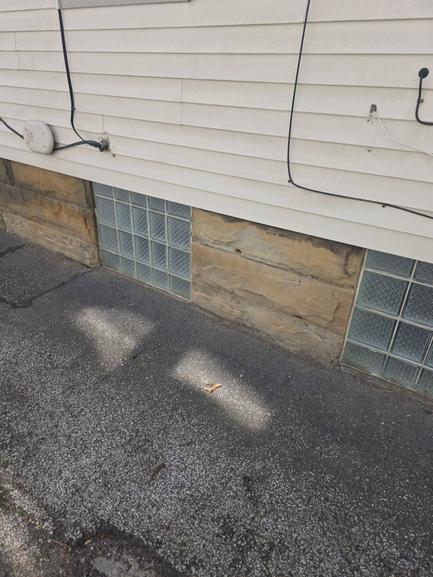
Cleveland's proximity to Lake Erie keeps ambient humidity elevated for much of the year, and that moisture finds its way into crawl spaces with very little resistance. Cleveland homeowners within a few miles of the lakefront — including neighborhoods like Lakewood, West Park, and the near West Side — face a compounding combination of lake-effect snow accumulation, rapid spring snowmelt, and persistent lakefront humidity that inland homes never experience at the same intensity. Homes throughout the West Side and inner-ring suburbs that sit above unencapsulated crawl spaces are drawing that humid air up through their floor systems season after season. Research shows that up to half of a home's indoor air can originate from the crawl space, meaning Cleveland's lake-driven humidity is contributing directly to the air quality inside homes across the region. Add in the wet spring snowmelt that saturates soil quickly and the picture becomes clear: what's beneath the floor matters.
- Controls the humidity that Northeast Ohio's lake climate drives into crawl spaces
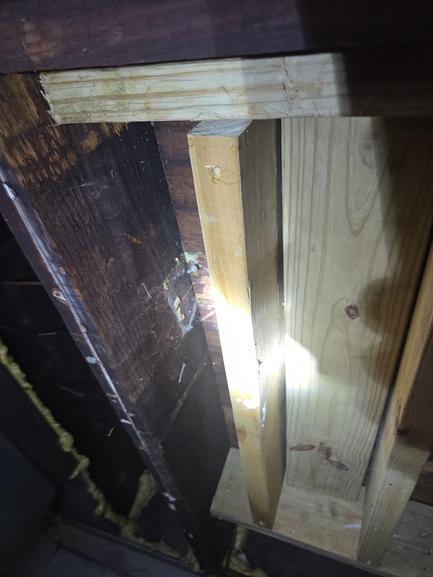
- Reduces wood rot risk in floor joists exposed to Cleveland's year-round moisture
- Helps prevent mold growth in low-ventilation spaces with persistent dampness
- Supports steadier indoor temperatures during Cleveland's variable seasonal transitions
- Reduces the workload on heating and cooling systems fighting crawl space humidity
When Cleveland crawl spaces are properly encapsulated, the effect works its way upward through the entire home. Floors feel more solid, musty odors stop drifting into living areas, and the structure beneath the home is protected from the moisture that Northeast Ohio's climate delivers consistently.