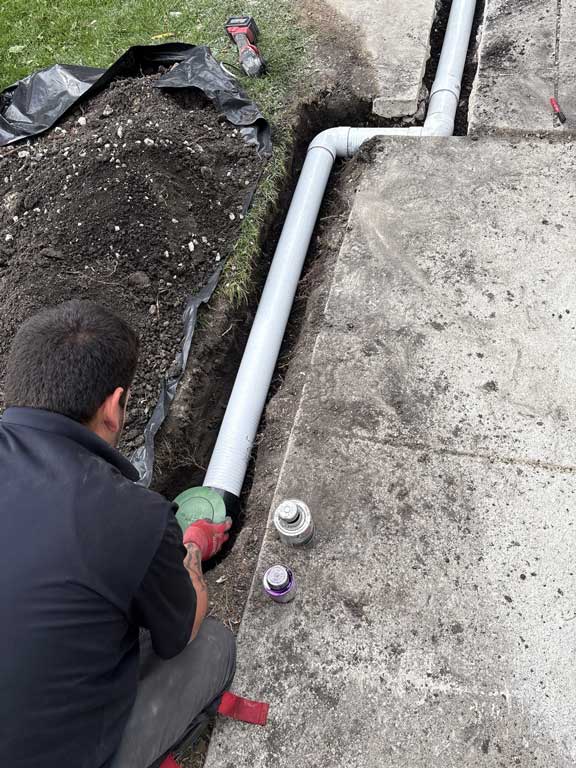
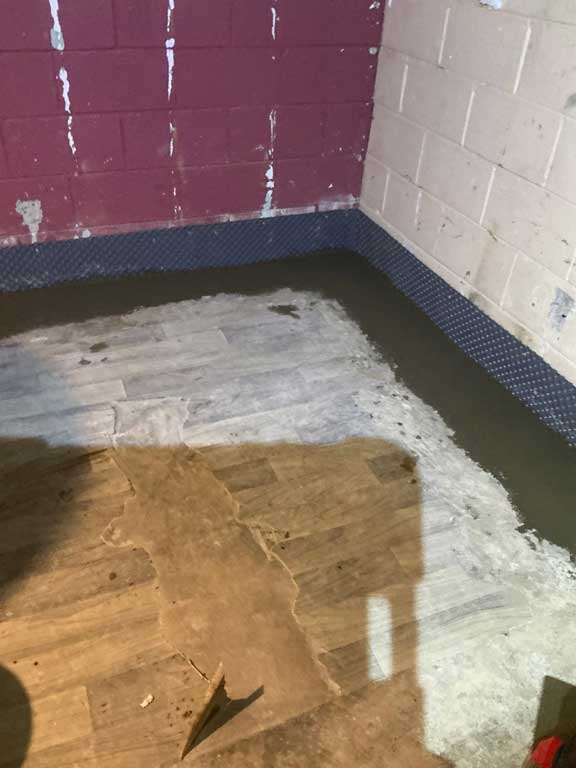
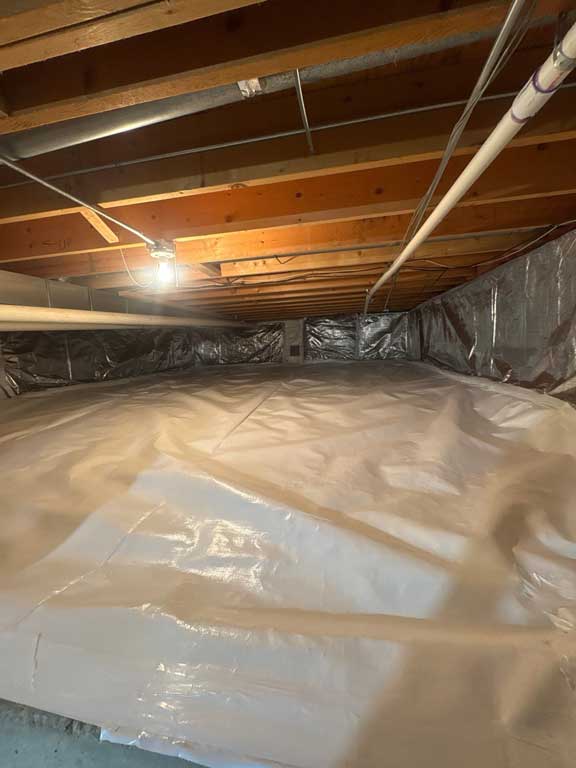
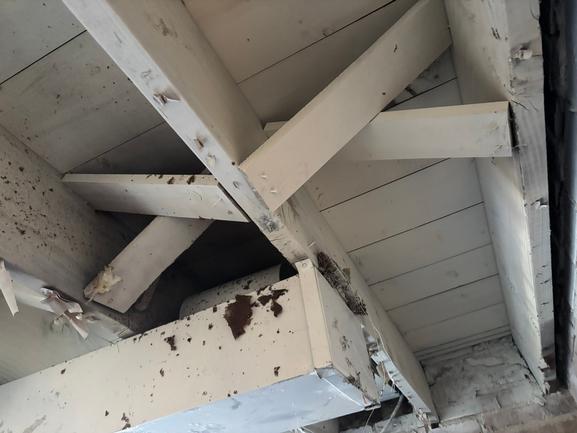
Chicago foundations carry one of the toughest loads of any major metro in the country. The frost line here extends well below four feet, meaning ground movement during freeze and thaw cycles is substantial and consistent year after year. Add in the city's expansive clay soils and the density of older construction in neighborhoods like Bridgeport, Beverly, and Jefferson Park, and you have conditions that put real, ongoing pressure on residential foundations. National data show that nearly 1 in 4 homes will experience structural movement over their lifespan, and in Chicago that timeline often arrives sooner. Chicago homeowners in older neighborhoods like Jefferson Park, Beverly, Bridgeport, and Avondale — where homes were built decades before modern foundation standards — face a compounding combination of frost heave, clay expansion, and drainage systems that were never designed for today's moisture loads.
- Stabilizes foundations stressed by deep seasonal frost movement
- Closes cracks before Chicago's wet springs drive moisture inward
- Corrects floor and wall displacement from long-term clay expansion
- Reinforces footings in older construction common across city neighborhoods
- Preserves structural integrity through each demanding winter cycle
Chicago homeowners who notice early warning signs like sticking doors, diagonal cracks near window corners, bowing basement walls, or floors that feel uneven from room to room are often dealing with clay soil movement or frost heave that has been building for years. Addressing it now, before the next hard freeze, gives your foundation the best chance of staying stable through whatever the next few winters bring.