A shifting foundation can affect more than one part of your home. Learn what those warning signs may mean.
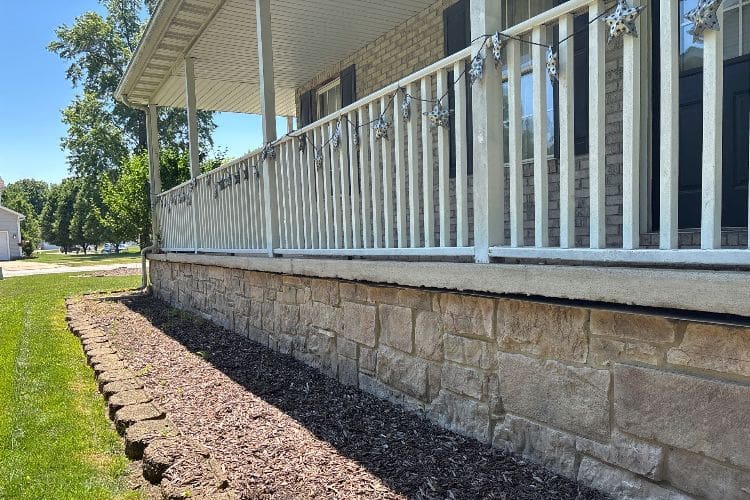
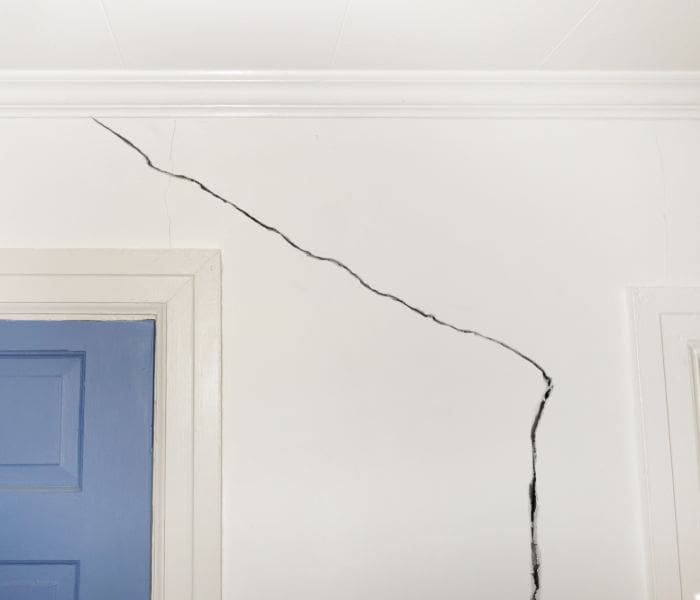
A single crack can feel easy to ignore until it widens, leaks, or shows up in more places. House foundation repair in Des Moines, IA can help when settling, sinking, or pressure around the structure starts creating visible damage. You might also notice doors rubbing, floors sloping, or walls pulling away from nearby finishes. Those signs are worth checking before repairs become more involved.
Our crew at Acculevel in Des Moines brings experience, patience, and communication to every foundation inspection. We take time to explain what we’re seeing and how different repair options may help. You get a free inspection and a recommendation based on the problem. We’ll help you understand the next step without making the process feel overwhelming.

Foundation problems are not all caused by the same issue. Some homes settle because the soil under the footing changes, while others deal with wall pressure from outside moisture. A crawl space may need support, while a basement wall may need stabilization. The repair depends on the type of movement and the conditions around the structure.
Our team may review:
Once we know what’s happening, we can match the repair to the cause. That may include pier systems, wall anchors, waterproofing support, crawl space stabilization, or another option. Call today to schedule your free inspection and get a repair recommendation you can understand.
Movement can affect more of your home over time. A shifting foundation can lead to cracks, sticky doors, uneven floors, and openings where water may enter. Repairing the issue can help reduce added stress on the structure and make future updates less risky. If you’re seeing signs and aren’t sure what they mean, house foundation repair in Des Moines may help, and you can watch the video to learn more.
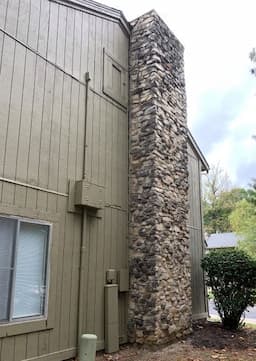
A leaning chimney can make you wonder if the problem is only outside or if something deeper is going on. In many cases, the chimney footing has shifted because the soil underneath is settling or washing out.
If the chimney is separating from the home, we’ll check the gap, masonry, footing, and nearby soil conditions. You’ll get a clear explanation of whether it needs support and how quickly the issue should be handled via expert house foundation repair for your Des Moines, Iowa, property.
Fixing a leaning chimney starts with understanding why it moved in the first place. The right repair depends on the cause, whether that means adding pier support, stabilizing the structure, or using another method based on the footing and soil conditions.
We’ll inspect first, then explain the structural repair that best fits your situation. You’ll know whether the chimney can be stabilized, what the work may involve, and how the repair is meant to help protect the structure.
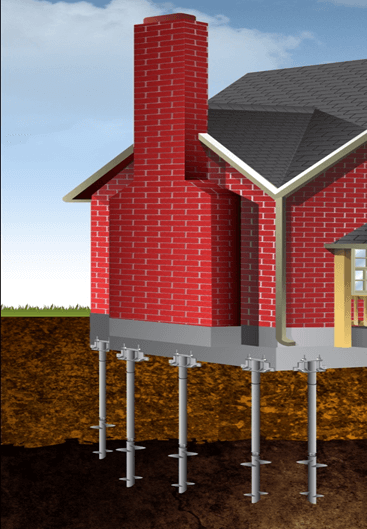
Helical piers work like deep supports for heavy structures. They are turned into the ground until they reach stronger soil that can help carry the weight. If your chimney is leaning because the shallow soil has shifted, these piers may be used to support it from below. That can help reduce future movement and give the chimney a better base. We’ll explain whether helical piers are the right fit after we inspect the problem.

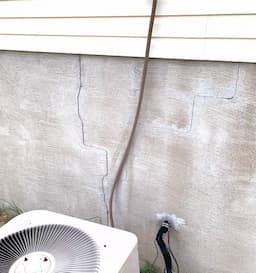
Foundation settling happens when part of the home drops or shifts because the soil below it has changed. You might notice sloping floors, drywall cracks, uneven door frames, or gaps that weren’t there before.
When those signs show up, the best next step is finding out what’s moving. Our team can inspect the foundation and explain whether the issue is settlement, moisture, soil pressure, or another cause.
Foundation settling can be handled with several repair options, but the right one depends on how the structure is moving. A sinking corner may need pier support, while a soft crawl space or shifting wall may need a different repair.
Once we understand the movement, we’ll talk through the options that fit. You’ll get a clear repair recommendation for your situation, including what it’s designed to do and why it will work.
Helical piers are used to reach stronger soil below the weak or shifting layers near the surface. They can be connected to the foundation to help support areas that have settled.
You may need helical piers if one area of the home is dropping, cracks are spreading, or doors and windows are shifting out of square. This type of house foundation repair in Des Moines, IA, helps transfer the weight to deeper soil. We’ll explain how many piers may be needed and where they could be placed after the inspection.