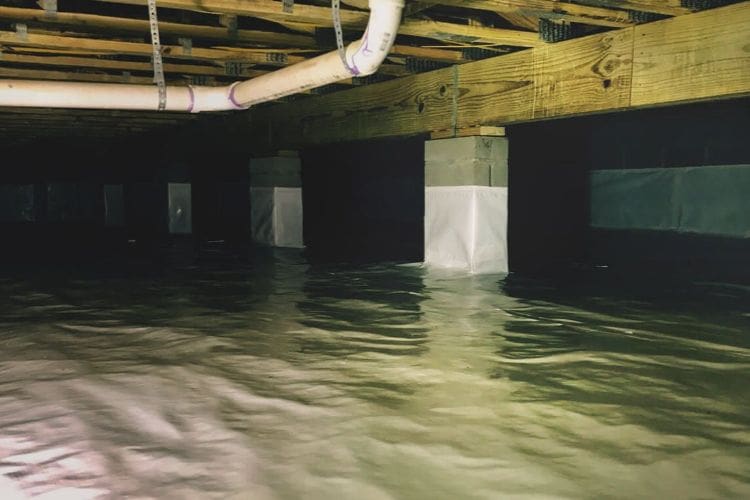
Water doesn’t belong in your basement. Acculevel in Bowling Green KY helps homeowners stop leaks, control moisture, and protect foundations with reliable basement waterproofing solutions. Our experienced team evaluates the problem, explains the options, and installs systems designed to keep your basement dry and your home protected year-round.

Rain, groundwater, and shifting soil often work against a home’s foundation. Over time, moisture finds its way through cracks, seams, and porous concrete. That’s why basement waterproofing in Bowling Green, Kentucky, is one of the smartest ways homeowners can protect their property.
Acculevel in Bowling Green provides solutions designed to control water before it spreads through the basement. The team evaluates drainage patterns, foundation conditions, and moisture sources to determine the most effective system for each home.

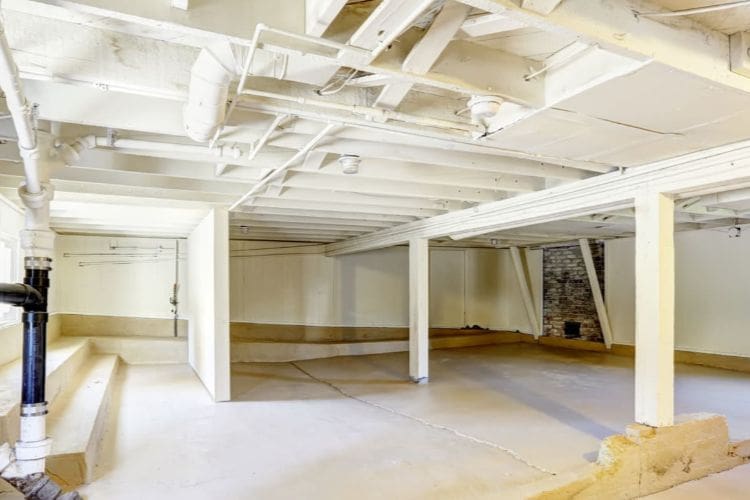
Basement moisture problems often begin small but grow worse with time. Water can seep through foundation walls, collect along floors, or build up as humidity. Basement waterproofing in Bowling Green works by controlling groundwater movement and directing it away from the home.
Contact Acculevel in Bowling Green now to schedule a free basement inspection and ask about other foundation repair and waterproofing services.
Many homes experience moisture issues below ground level. Small leaks, condensation, or poor drainage may seem minor at first but can lead to larger problems if ignored. Trust our foundation repair company to deliver expert solutions.
Water intrusion occurs when groundwater pushes through cracks or porous concrete. Even minor seepage can damage drywall, flooring, and stored items. Identifying these entry points early helps prevent larger repairs.
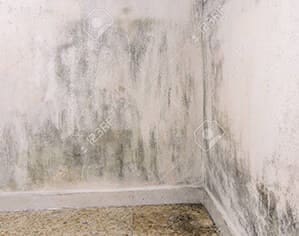
Persistent moisture creates ideal conditions for mold and mildew. These growths spread along walls and stored materials, creating an unhealthy environment for odors and reducing indoor air quality.
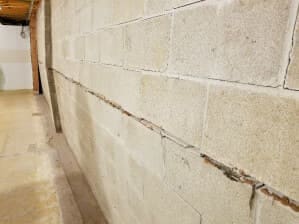
When soil becomes saturated, pressure builds against the basement walls. Over time, that pressure can cause walls to bow or lean inward, signaling structural stress that requires professional attention.
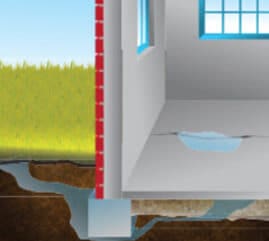
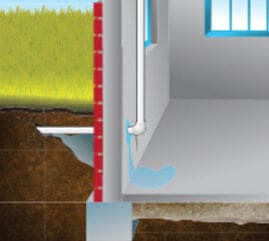
Step 1: Opening the Perimeter
Technicians remove a narrow strip of concrete around the edge of the basement floor to reveal the top of the foundation footing where the drainage channel will be installed.
Step 2: Releasing Trapped Wall Moisture
For block foundations, small weep holes are drilled into the lowest course of the wall. This allows trapped water inside the blocks to drain toward the new system.
Step 3: Setting the Fast Track Channel
Pre-formed Fast Track sections are placed along the footing and connected directly to the sump basin. A wall liner or dimple board is added so moisture traveling down the wall moves straight into the drainage channel.
Step 4: Sealing and System Testing
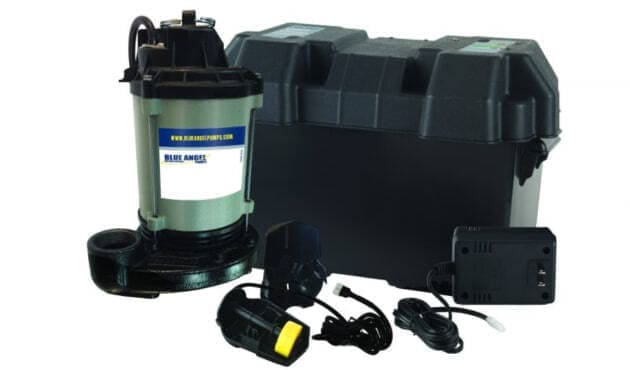
Fresh concrete is poured to close the trench and level the floor surface. The sump lid is sealed, and the pump and discharge line are tested to confirm the system directs water away from the home properly.
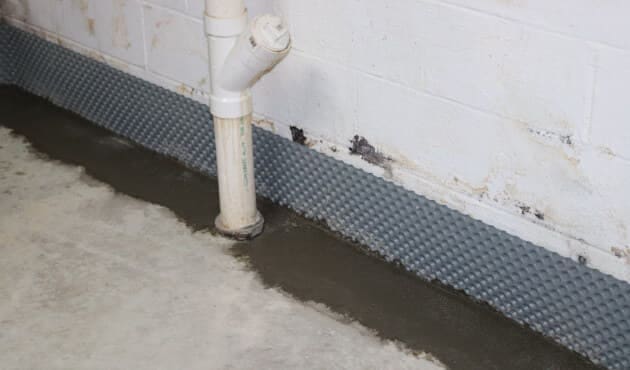
Understanding where water is entering your home is the first step toward solving the problem. Acculevel in Bowling Green provides detailed inspections to identify moisture sources and recommend the right solution.
Fill out the form next to this section or call to schedule a free 30–60 minute inspection. During the visit, a specialist will evaluate the basement and explain the available waterproofing options.